
Someone I know — sharp, hardworking, saved carefully for years — nearly signed a franchise agreement without running the full numbers. He’d done the math on year one and it looked solid. What he almost missed was years two through five. That’s exactly where a thorough Qsr Franchise Investment Breakdown matters most: the royalty rate stayed flat, but as revenue grew, the dollar amount leaving his account each month grew with it. He caught it, renegotiated, and opened with clear eyes. That story is why this post exists.
Why Percentages Feel Small Until They Don’t
Most franchise disclosures present fees as a percentage — and percentages feel abstract. A 6% royalty on $400,000 in annual revenue is $24,000. On $650,000, it’s $39,000. On $900,000, it’s $54,000. Same rate, more than double the dollar cost over a five-year growth arc. Add a marketing fund contribution — often 1–3% on top — and the total fee load on gross sales compounds quietly year after year.
The structure itself isn’t the problem. Royalties fund the brand, the systems, the supply chain, and the support infrastructure you lean on every day. The problem is when that structure isn’t disclosed transparently — or when what you’re paying for stops delivering value after year one. That’s the distinction worth obsessing over before you commit.
“A royalty fee is only expensive if what it buys stops working for you. The question isn’t the percentage — it’s what the percentage does.”
How to Run a Honest Qsr Franchise Investment Breakdown Over Five Years

Whether you’re exploring options near Easton Town Center in Columbus or researching from a kitchen table in Columbus, this sequence stress-tests the numbers before you sign anything.
- Project three revenue scenarios — conservative, base, and optimistic. Run a year-by-year projection at 70%, 100%, and 130% of the franchisor’s stated average unit volume. See what the royalty bill looks like in each column, every year.
- Add every recurring fee, not just royalties. Marketing fund contributions, technology fees, renewal fees at year five or ten — list them all. A full fast casual franchise cost breakdown covers startup costs, but the recurring side needs its own line-by-line treatment.
- Check whether support scales with your payments. A franchisor charging more as you grow should deliver more as you grow. Ask franchisees in year three and four, not just year one — and find out what ongoing franchise mentorship actually looks like in practice.
- Look at the royalty structure’s ceiling and floor. Does the rate change at a revenue threshold? Is there a minimum royalty you owe even in a slow month? Those clauses matter enormously in year two when you’re still building your customer base.
- Calculate profit break-even with fees fully loaded. Not revenue break-even — profit break-even, after royalties, rent, labor, and food cost. How long break-even realistically takes depends heavily on total fee load before you see a dollar of owner income.
- Model the exit, not just the entry. A well-structured royalty inside a growing brand builds transferable business value. Franchise ownership builds net worth over time — but only if the unit is worth selling at year five or seven.
Why Transparent Fee Disclosure Is Non-Negotiable

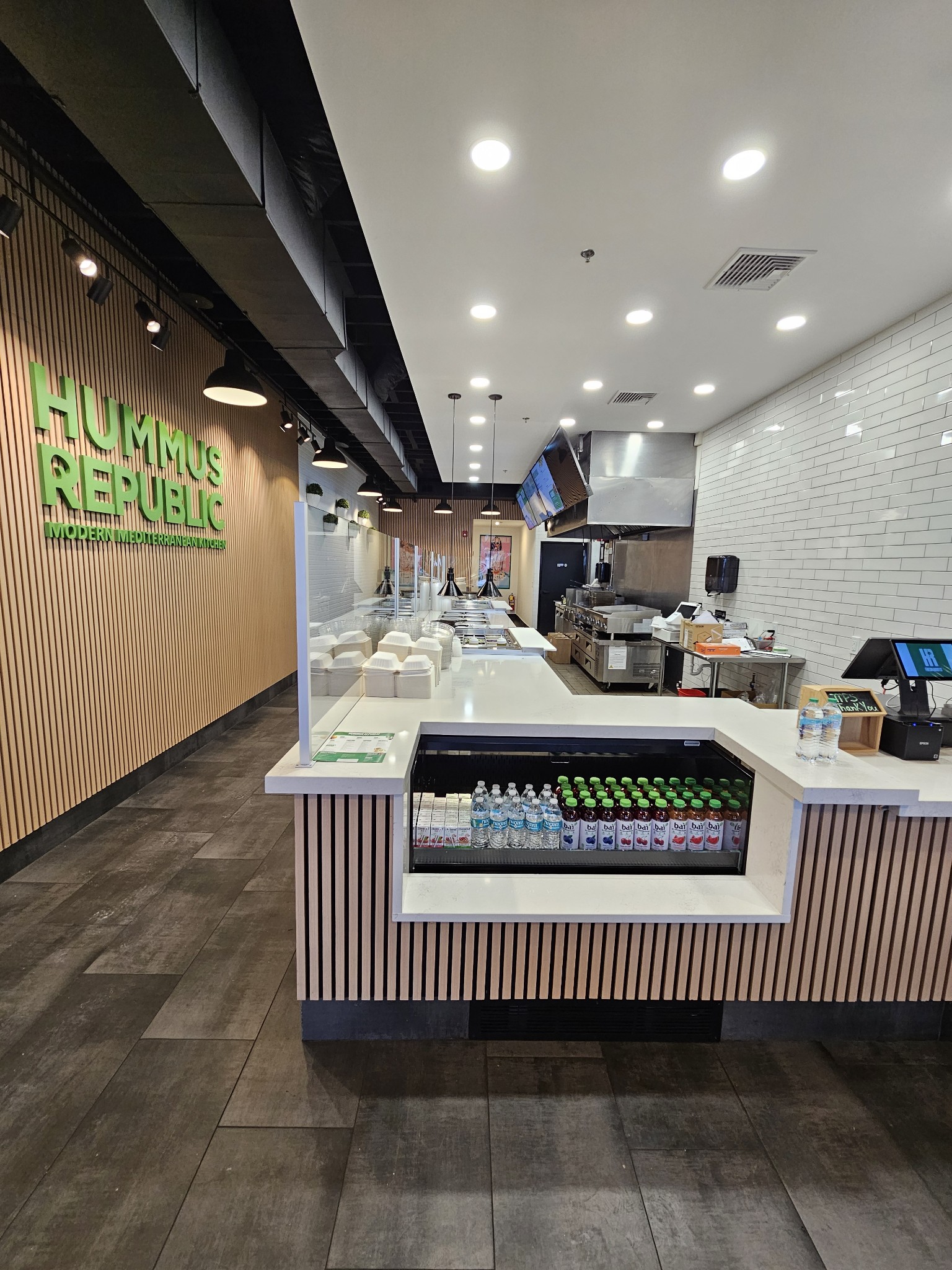
At Hummus Republic Franchise, we built our franchise model around a transparent royalty fee structure — meaning you see every number, every year, before you sign. People who’ve worked hard for their savings deserve the full picture, not a polished slide deck that hides year-four costs in the footnotes. The FTC’s Franchise Rule requires a Franchise Disclosure Document precisely for this reason, and we encourage every prospective owner to read the FTC’s guide to buying a franchise before signing with any brand.
Our royalty structure is designed so that as your revenue grows, the support you receive grows with it — not just the dollar amount leaving your account. That’s the deal we’d want if we were on your side of the table.
If you’re somewhere in Columbus or anywhere across OH running these numbers late at night, you’re asking exactly the right questions. The math isn’t complicated — but it has to be complete. get in touch and ask us to walk you through the full five-year cost model, not just year one. We’ll give it to you straight.
Some content on this site is AI-assisted and may not reflect exact current details — please verify with Hummus Republic Franchise at . Learn more.