
Here’s the short answer: ROBS — Rollovers as Business Startups — is a legal IRS-recognized structure that lets you invest retirement funds directly into a new business without triggering early-withdrawal taxes or penalties. It’s one of the most talked-about paths to Franchise Financing Without a Bank Loan, and for good reason. If you’ve spent years building a 401(k) and you’d rather put that capital to work for yourself than let it sit in someone else’s index fund, ROBS is worth understanding clearly before you decide anything.
What ROBS Actually Is — and How the Mechanics Work
ROBS isn’t a loan, a grant, or a tax loophole. It’s a structured transaction, and each step matters. Here’s how it flows:
- You form a new C-corporation — not an LLC, not an S-corp. The C-corp structure is required.
- The C-corp establishes a qualified retirement plan (usually a 401(k)).
- You roll your existing retirement account into the new plan — tax-free, penalty-free, because it’s a rollover, not a withdrawal.
- The new plan uses those funds to purchase stock in your C-corp.
- Your C-corp now has capital. You use it to buy the franchise, cover startup costs, or both.
The IRS has never formally blessed ROBS, but it hasn’t prohibited it either. The structure has survived scrutiny when set up correctly. That last part — correctly — is doing a lot of work in that sentence. You need a ROBS specialist, not a generalist CPA who’s heard of it once. Setup typically runs between $4,000 and $6,000, with annual compliance fees of $1,500 to $2,500 on top of that. Those numbers are real; budget for them.
The goal isn’t to drain your retirement. It’s to redirect capital you already earned into an asset you actually control — one that can grow faster than a managed fund ever will.
Why Some Fast Casual Franchise Buyers Choose ROBS Over a Bank
Banks want collateral, credit history, two years of business financials you obviously don’t have yet, and a personal guarantee that makes you personally liable if things go sideways. SBA loans are more accessible, but they still mean debt service from day one — before you’ve served a single customer. When you’re learning to fund a fast casual franchise that already has streamlined operations and lower startup costs than legacy chains, carrying heavy debt from the jump adds pressure that doesn’t need to be there.
ROBS removes that pressure. You’re using capital you already own. No monthly payment, no interest rate, no bank breathing down your neck during a slow January. That’s why buyers who’ve spent years quietly building savings — and who are finally ready to bet on themselves — find this structure genuinely compelling. You can also read more about what financial qualifications you actually need to buy a franchise before assuming a bank loan is the only path in.
ROBS works best when:
- You have at least $50,000 in an eligible retirement account (most specialists suggest $70,000+ to leave breathing room).
- You plan to be an active owner — ROBS requires you to work in the business, not run it remotely from the start.
- Your franchise investment fits within what your retirement account can cover without liquidating everything.
- You have a qualified ROBS administrator handling compliance annually — skipping this creates real IRS exposure.
What This Looks Like in Practice for a Hummus Republic Franchise Franchise
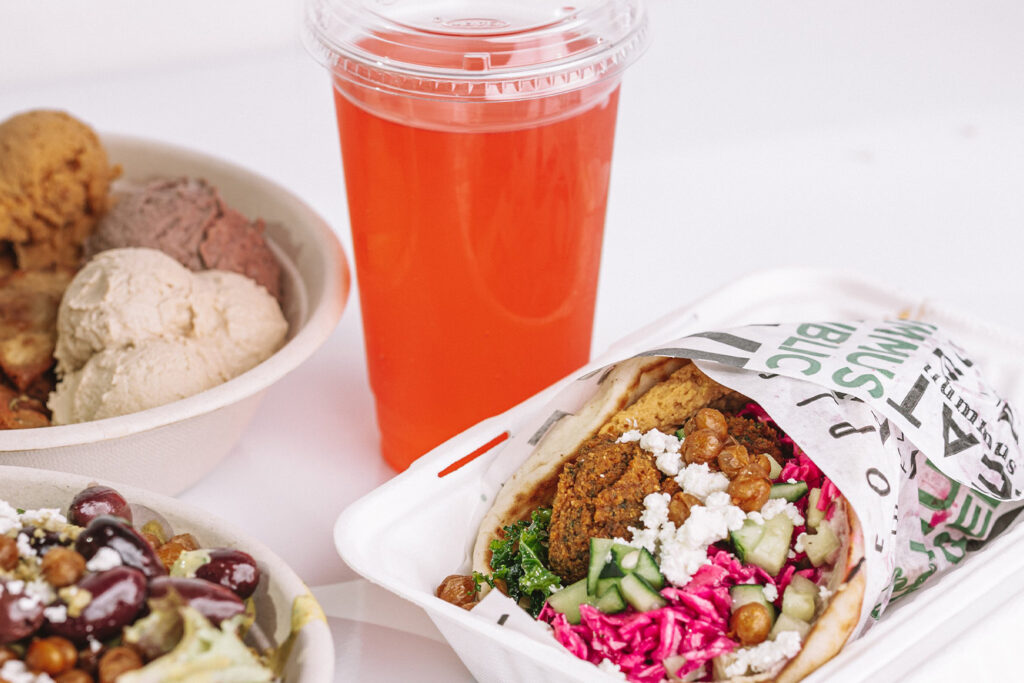
Hummus Republic Franchise was built for owners who want something real — food with a genuine story, a brand they can stand behind, and an operational model that doesn’t require you to have run a restaurant before. The startup cost is meaningfully lower than most legacy food franchises, which means ROBS can realistically cover a significant portion of your entry — sometimes all of it, depending on your retirement balance.
That matters, because what you’re actually paying for in a fast casual franchise startup isn’t just a sign and a lease — it’s training, supply chain access, brand equity, and a system that’s already been tested. When you’re not servicing debt, those returns start compounding faster. And franchise ownership builds net worth over time in ways that a retirement account sitting in a target-date fund simply cannot replicate.
The IRS publishes guidance on retirement plan rollovers and prohibited transactions. Before you move a dollar, review the IRS rollover rules and work with a ROBS-certified administrator. The structure is legal when done right — and genuinely risky when it isn’t.
If you’re ready to understand exactly how using your savings to create income through a Hummus Republic Franchise franchise could work for your situation, get in touch through our contact form. We’ll walk through the numbers honestly — no pressure, no deflection, just real answers to real questions.
Some content on this site is AI-assisted and may not reflect exact current details — please verify with Hummus Republic Franchise at . Learn more.