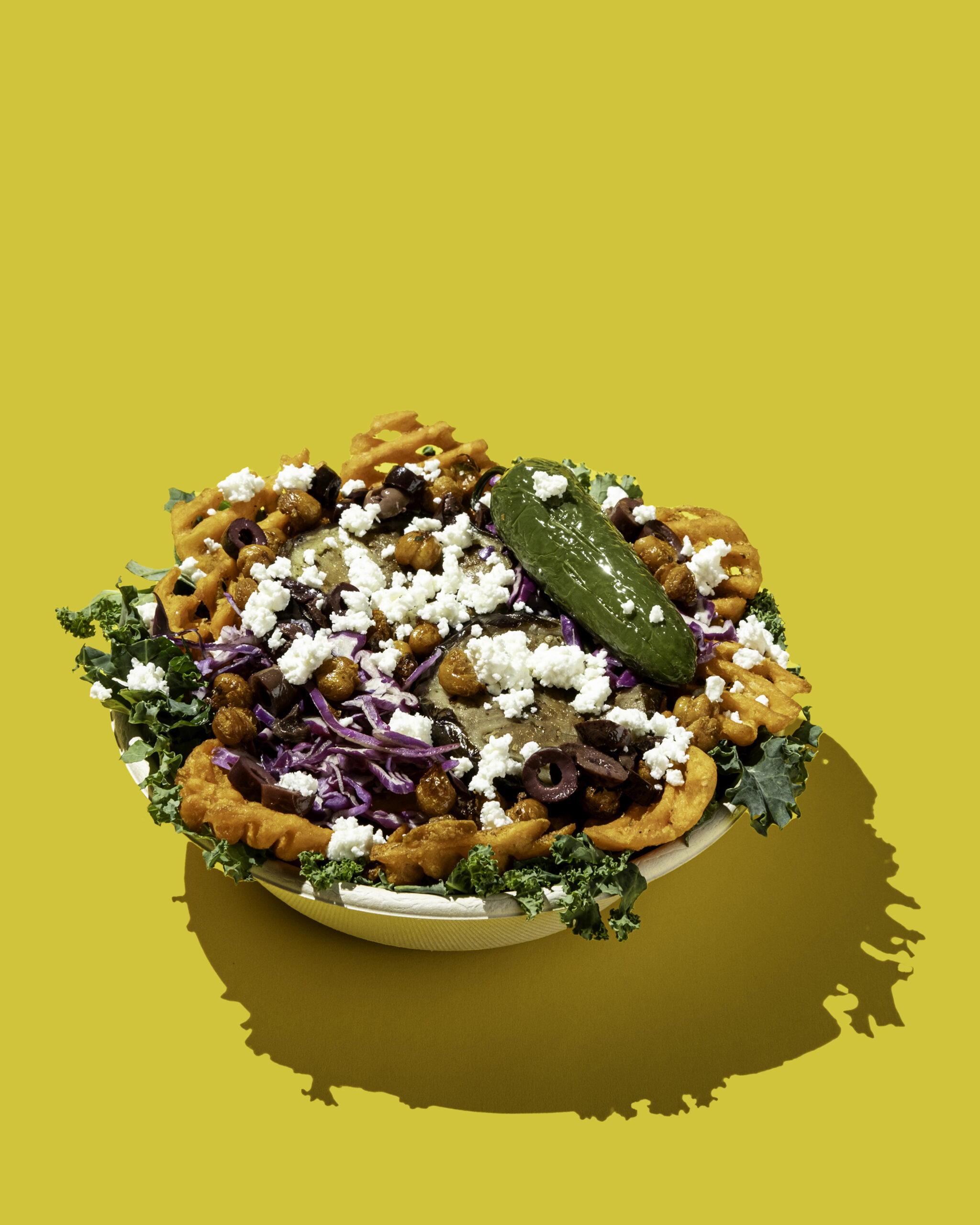
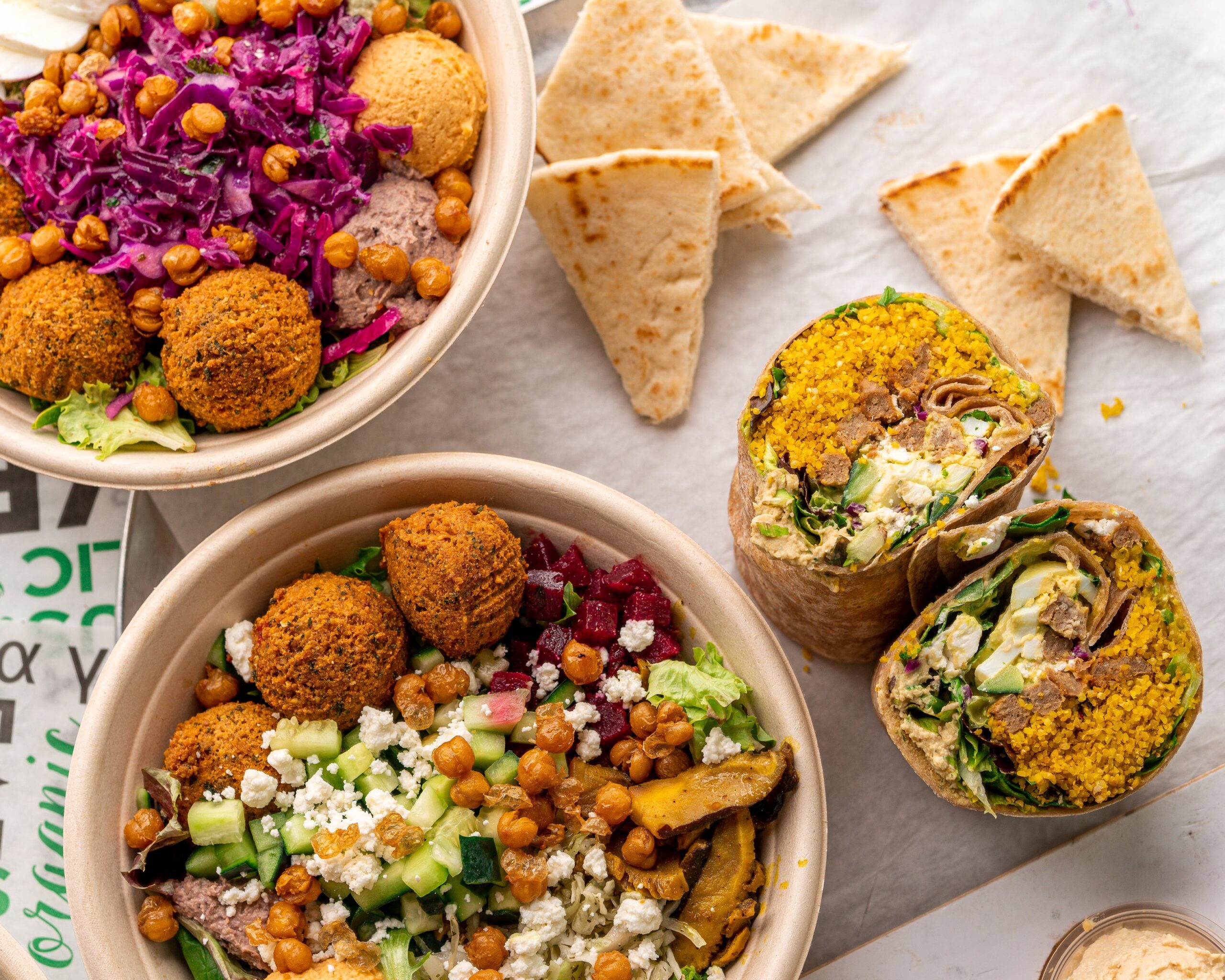
There is a specific kind of pressure that comes with being the child of people who sacrificed everything so you could have options. You feel it when you are sitting at a desk that pays well but belongs to someone else. You feel it when your parents visit and you realize they never stopped working — they just shifted the labor onto you, quietly, as inheritance. Generational Wealth Food Business is not an abstract concept for people who grew up watching parents pour everything into a life they were building for the next generation. It is personal. It is loud. And it is the reason you are here, reading this, doing the math in your head for the tenth time this month.
The first thing a seasoned franchise operator notices when evaluating a new prospect is whether the brand story belongs to the owner — or just to the corporate manual. When the owner is the culture, the business runs differently from day one.
What Most People Miss When They Think About Food Business Equity
Most first-time franchise researchers spend weeks on the wrong questions. They obsess over the upfront number and miss the bigger picture: what does the asset actually become over time? Franchise ownership builds net worth over time — not just a monthly income stream. A location with strong sales history becomes a sellable asset with real market value. That is equity. That is the thing your parents never had access to, not because they lacked the drive, but because the system was not designed to hand it to them.
Building equity through a food business means understanding the difference between buying a job and building a transferable asset. A Hummus Republic franchise in St. Louis, MO, anchored in a market like St. Louis where neighborhoods like Soulard, The Hill, and Clayton already have deep food culture, is not just a place people eat. It is a business you can eventually sell, expand, or hand to your kids. That exit is part of the strategy from the beginning — and understanding how selling a franchise unit works changes how you think about the whole investment.
Signs You Are Ready — Even If You Do Not Have Restaurant Experience
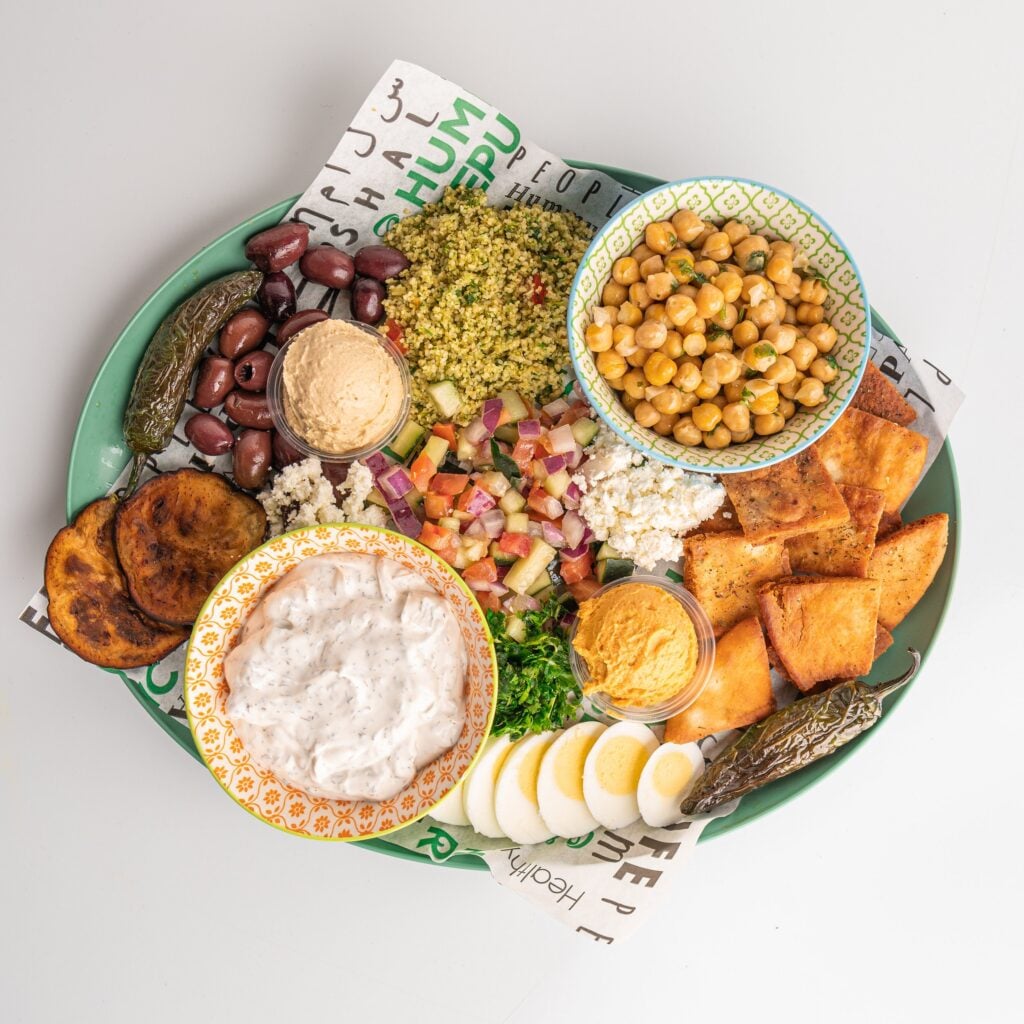
Here is what franchise operators actually look for in strong candidates — and it is not a culinary degree. Watch for these signals in yourself:
- You have been mentally running the numbers on a business for more than six months
- You have modest savings or access to capital in the $100K–$300K range and want it working harder
- You have watched someone in your circle try something similar and learned from what went wrong
- You want a business model with systems already in place — not a blank page
- You care that the food is real — halal, fresh, recognizable — not a corporate approximation of a culture
No restaurant experience required is not just a marketing line. The operational model is designed to be learnable. Franchise mentorship extends well beyond opening week — training, supply chain support, and a real support line that picks up when something goes sideways on a Saturday morning.
A Business That Represents Your Heritage — Not Just Your Balance Sheet
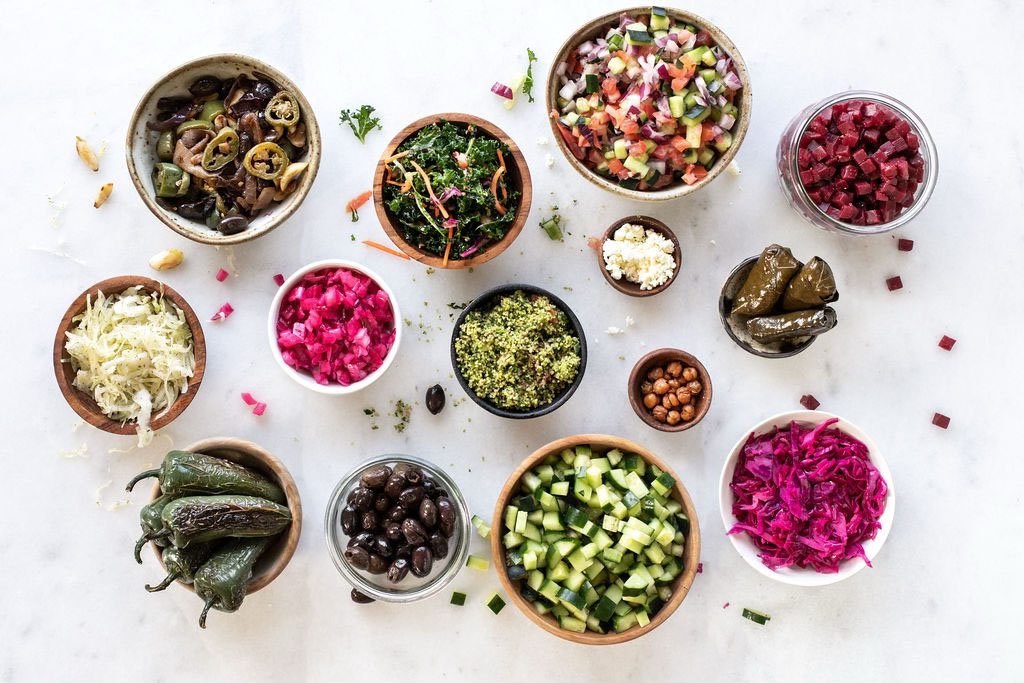
This is the part that matters most and gets discussed least. When your business represents your heritage — the food your family actually cooks, the flavors people in your community recognize without needing a translation — the pride you feel walking through that door is not incidental. It is competitive advantage. Your fluency in the culture is your edge. Customers feel it. Your team feels it. Owning a Mediterranean restaurant lets you represent your community, not just serve it — and in a city like St. Louis with a growing and engaged Middle Eastern and Levantine community, that authenticity travels fast through word of mouth.
Levantine food is also one of the most naturally scalable cuisines in American markets. The cross-demographic appeal of Levantine food means you are not building for one slice of the market — you are building for everyone who wants food that is fresh, filling, and actually good for them.
Generational Wealth Food Business: The Conversation Worth Having Now
The honest version of this conversation includes the hard parts. You might lose sleep the first quarter. The first slow week will feel louder than it is. Staffing will test your patience. None of that disappears inside a franchise — but you face it with a system behind you rather than alone. Most beliefs about food franchise risk are worth re-examining before fear makes the decision for you.
Your parents built what they could with what they had. You have access to something they did not — a proven model, a brand with cultural integrity, and a lower barrier to entry than most legacy franchise systems. What you build now is what your kids inherit. Picture them understanding, from a young age, what it means to own something. That image is worth sitting with.
Hummus Republic Franchise exists to help people like you make this move with clarity. Reach out through our contact form and let us walk through the real numbers, the real support structure, and the real opportunity waiting in St. Louis, MO. This conversation costs nothing — and it might be the one that changes everything.
Some content on this site is AI-assisted and may not reflect exact current details — please verify with Hummus Republic Franchise at . Learn more.