There’s a moment — and most people who’ve crossed over into ownership can name it exactly — when the Emotional Reasons People Invest in Franchises stops being abstract and becomes almost physical. You’re not thinking about ROI spreadsheets anymore. You’re thinking about your father’s hands. You’re thinking about the table your mother never let anyone leave hungry. That’s the moment. That’s what actually moves people in Louisville and beyond from circling the idea to signing the page.
It Was Never Really About the Money First
Talk to anyone who finally signed a franchise agreement after years of circling it, and they’ll tell you the same thing: the financials didn’t close the deal. The financials gave them permission. What closed the deal was something older and quieter — the weight of wanting to build something you can actually be proud of. Something you can describe to your kids without translating anything.
For many people, that weight carries the story of parents who worked jobs they were overqualified for, who saved carefully, who said yes to every extra shift so their children wouldn’t have to. Owning a business isn’t just a financial move when that’s your background. It’s a response. It’s a way of saying: I saw what you did, and I’m not letting it end here.
That’s exactly what we explore in depth at how families use business ownership to honor what their parents sacrificed — and the pattern holds across backgrounds and cities, from Dearborn to Houston to Louisville’s South End neighborhoods along Dixie Highway.
The Four Emotional Triggers Behind Emotional Reasons People Invest in Franchises

- Proof close to home. Not a brochure. Not a franchise expo. A real person — someone from a similar background, no restaurant experience — running a location that’s doing well. When that becomes visible, the abstract collapses into the real. In Louisville, that kind of community proof spreads fast through tight networks.
- The fear of repeating someone else’s story. You’ve watched it — a cousin, a family friend, good people who trusted the wrong system and lost years of savings. That fear is valid. But it also sharpens due diligence. The people who research hardest before signing tend to make the most thoughtful owners.
- Needing to feel like an entrepreneur, not a franchisee. There’s a real difference between buying into a system that has nothing to do with you and stepping into a brand whose story you can authentically claim. When the food is food you grew up with — real hummus, real falafel, real shawarma — you don’t feel like you’re wearing someone else’s uniform.
- The kids are watching. The desire for your children to see you build something — to grow up inside a family that owns rather than works for — is one of the most consistent emotional drivers we hear. What it means to raise entrepreneurial kids inside a family business goes deeper than most people realize until they’re already in it.
“I need a business I can actually be proud of. Something that feels like us.” That sentence is the real franchise disclosure document — the one nobody prints but everyone signs in their own head first.
Why the Brand You Choose Is an Emotional Decision Too
Choosing the brand is itself an act of self-investment. Choosing a brand whose food, values, and story reflect who you are determines whether you’ll show up fully invested or just going through the motions.
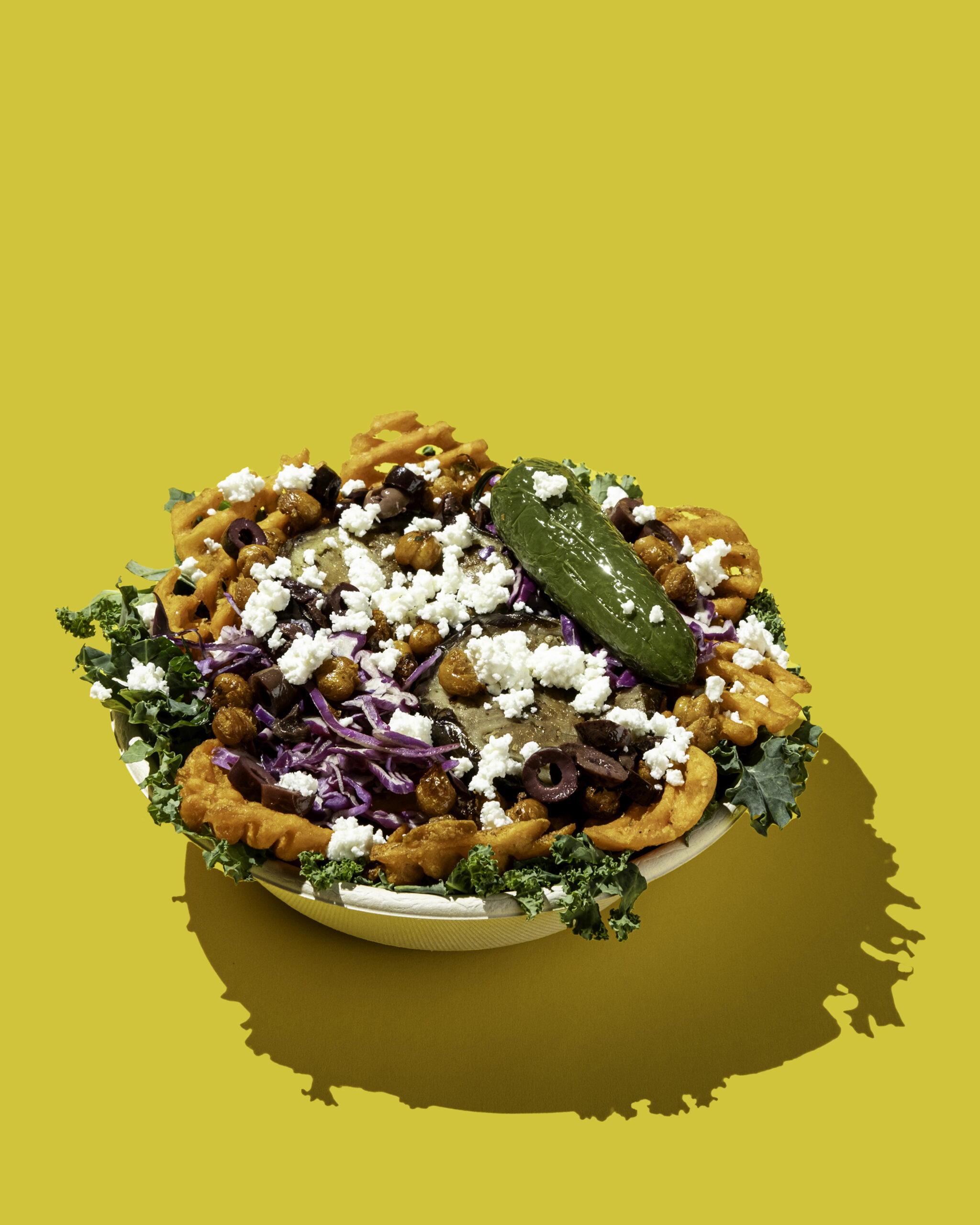
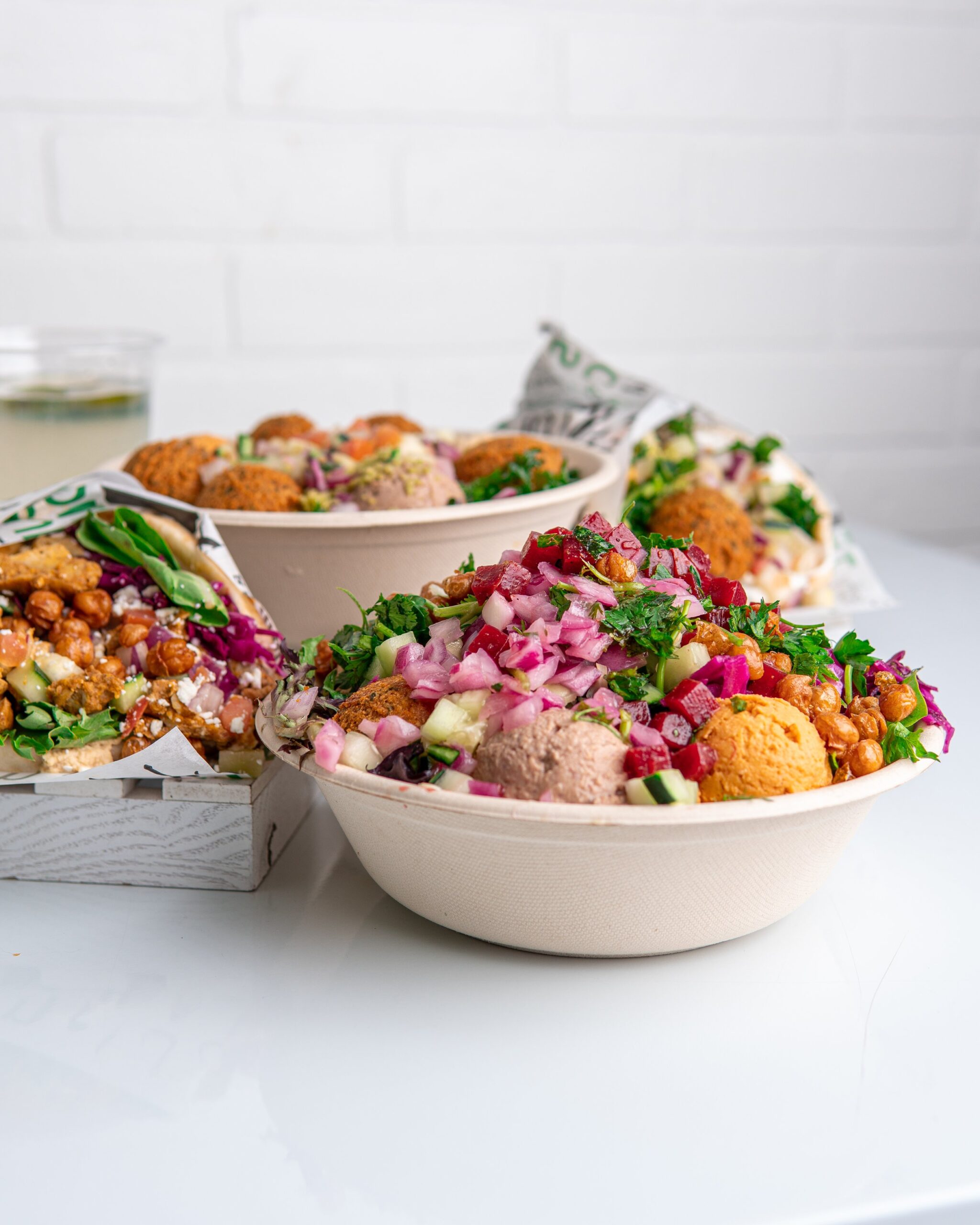
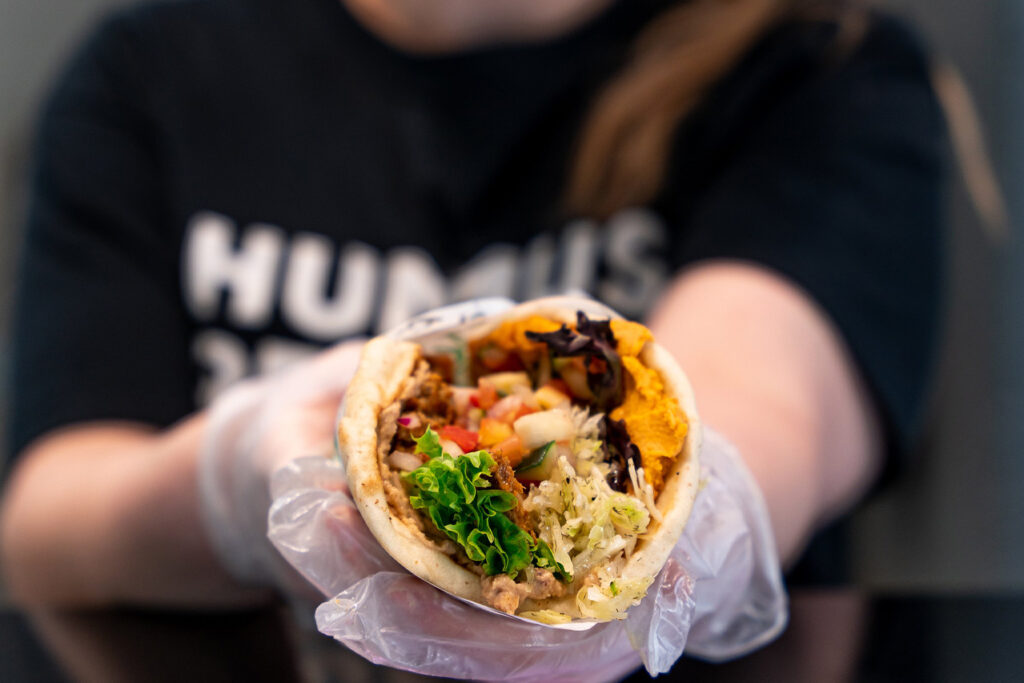
At Hummus Republic Franchise, we built this brand around Levantine and Mediterranean food because we know what it means when the menu is actually yours — halal, fresh, made with the same logic your grandmother used, at a format and price point that works for the American fast-casual market. For the full picture on why that food resonates so broadly, read our piece on why Levantine food travels so well across American markets and demographics.
And for people in Louisville calculating startup costs carefully — because they’ve seen what bad bets cost — what a franchise under $150K actually gets you is worth reading before any other financial conversation. The entry barrier here is meaningfully lower than legacy food franchises, and that matters enormously to first-generation owners in KY. For broader context on how ownership motivations compare across franchise categories, the International Franchise Association’s franchisee resources offer solid independent perspective.
Picture it: a Saturday afternoon in Louisville, your location humming, a line of regulars who know your name, kids doing homework at a back table. That image is worth sitting with — and it’s closer than you think. get in touch to start with a real conversation, no pressure, just honest answers.
Some content on this site is AI-assisted and may not reflect exact current details — please verify with Hummus Republic Franchise at . Learn more.