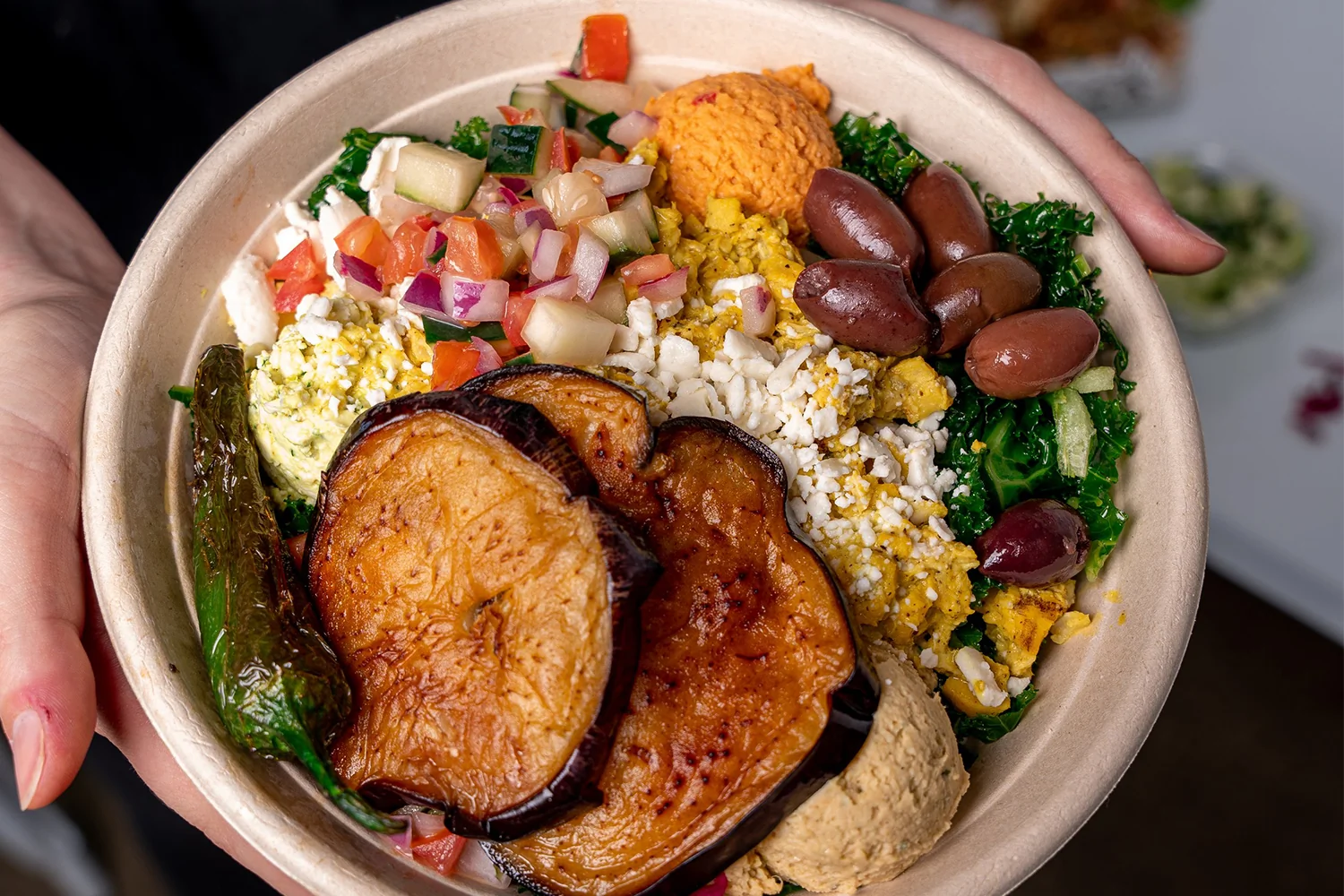

There’s a moment — and if you’ve ever walked into a restaurant and immediately felt at home, you know the one — where the smell, the menu, the whole energy of the place says this was made for someone like me. That feeling isn’t an accident, and it isn’t just nostalgia. It’s what happens when a franchise stops being a transaction and starts being an extension of who you are. At Hummus Republic Franchise, that’s exactly what we’ve built — and we think it changes everything about how you show up as an owner.
The Gap Between a Generic Franchise and One That Actually Fits
Most franchise systems ask you to check your story at the door. You wear the uniform, follow the script, sell the product — and whatever cultural knowledge or personal history you walk in with stays in the parking lot. The numbers might work. The support might be adequate. But there’s a quiet cost to spending your days selling food that has no connection to the table you grew up at, and most people don’t name that cost until they’re already exhausted by it.
We’ve heard it from people who’ve been through it. They wanted to be their own boss, they picked a recognizable brand, they signed the agreement — and somewhere around month four, they realized the brand felt like a rental, not a home. That’s not the story we want for you.
“You are not buying into a generic system. You are building equity inside a culture you already belong to.”
A Heritage Food Business Franchise Earns Its Price Before It Opens
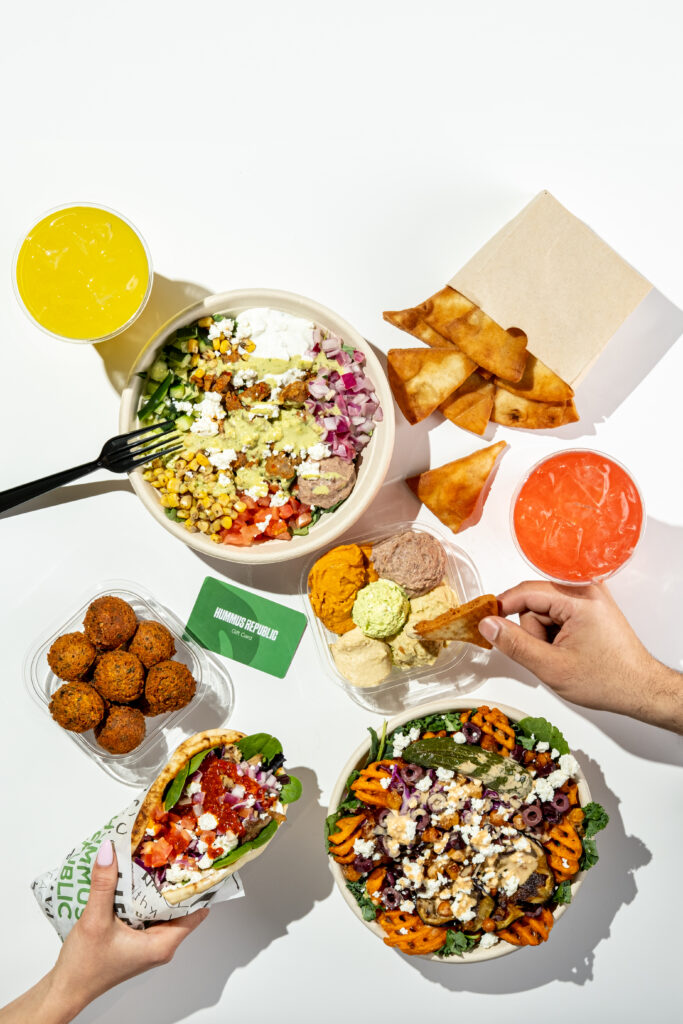
Here’s what we mean by brand alignment happening before you unlock the door. When you’re a Hummus Republic Franchise franchisee, the conversation you have with your parents, your kids, your neighbors about what you do — that conversation is easy. You’re not explaining away anything. The food is halal, it’s fresh, it’s real, and it maps directly onto the flavors that Mediterranean and Levantine households actually center their tables around. That’s not a marketing line. That’s the product.
When your community walks in, they recognize the menu. Not as a corporate approximation of something they know — as the actual thing. That recognition builds loyalty fast, and loyalty is the closest thing to a moat a neighborhood food business can have. We’ve written about exactly this dynamic — what it means for your community and your own sense of identity — in our piece on what it means that the food you are selling is food you actually grew up eating.
A Food Business That Tells Your Story — and Still Runs Like a System
We know the fear underneath the ambition. You’ve watched people you respect lose savings on a bad bet. You’re not going into this blind or sentimental — you’re doing the math, reading the fine print, running the scenarios. Good. That’s exactly the right energy, and it’s why we try to answer the hard questions before you ask them.
- Lower startup costs than most legacy fast-casual franchises — we break down the real numbers in our honest breakdown of what it actually costs to open a fast-casual restaurant
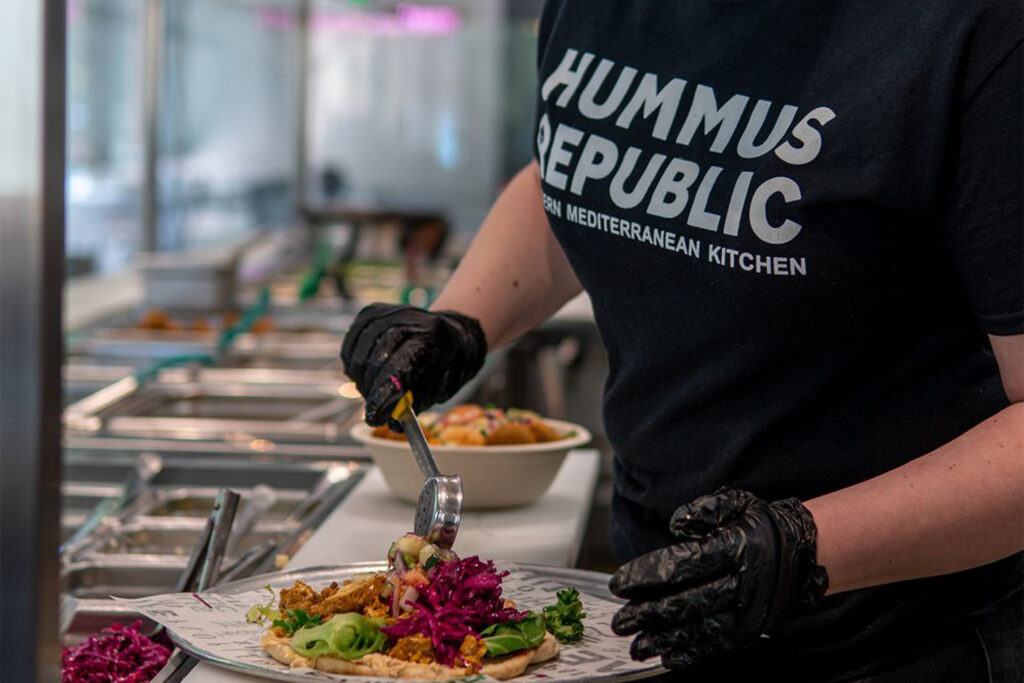
- Streamlined kitchen operations that don’t require years of restaurant experience to execute well — our centralized supply model is a big reason why. See how it works day-to-day in our guide on how a centralized supply chain changes the daily reality of running a kitchen
- Protected territory rights so you’re not spending energy worrying about the franchisor opening next door — we explain what you own and what you don’t in our full territory rights breakdown
- A manager-run location model that gives you income without chaining you to a single shift — read what that actually does to your schedule and your life at what a manager-run location model does to your income
And when the fryer breaks at 11am on a Saturday — because it will, eventually — we pick up the phone. That’s not a promise we make lightly.
How Hummus Republic Compares to the Alternatives
| What You’re Evaluating | Legacy Fast-Food Franchise | Hummus Republic |
|---|---|---|
| Startup cost range | $500K–$2M+ | Significantly lower entry point |
| Cultural connection to product | None — you sell what’s assigned | Built in — the food is the culture |
| Prior restaurant experience required | Often expected or preferred | No — operations are designed to be learnable |
| Community recognition of the brand | Generic; loyalty takes years to build | Immediate for Mediterranean communities |
| Story you can tell your family | Complicated | Easy |
The International Franchise Association notes that franchising accounts for nearly 3% of U.S. GDP — but not every franchise gives you equal access to that growth. The difference between a low-cost franchise and a cheap one is real, and it matters. We’ve laid out exactly how to tell them apart if you want to go deeper on the financial due diligence side.
Building Something Your Kids Can Actually Inherit
This part matters to us because it clearly matters to you. A business that reflects your values, serves your community, and is structured to grow isn’t just income — it’s a foundation. We’ve written about how to build something your children can actually inherit, because generational wealth built around food your family is proud of hits different than a stock portfolio nobody can explain at the dinner table.
There are also markets across the Woodland Hills, CA area and beyond where Mediterranean fast casual has real room to grow — and being early in the right neighborhood is a genuine advantage. Curious where those windows still exist? We track them.
If any of this is landing the way we hope it is — get in touch. Not to get a pitch. To have an honest conversation about whether this is actually the right fit, what the real numbers look like for your market, and what happens after you sign. We’d rather you walk away informed than sign for the wrong reasons.
Some content on this site is AI-assisted and may not reflect exact current details — please verify with Hummus Republic Franchise at . Learn more.