Let’s be honest about something. Most people who research a franchise aren’t doing it because they want to run a cash register six days a week. They’re doing it because they want to build equity, create options, and eventually hand something real to their kids — without burning every waking hour to get there. That tension between ownership and freedom is exactly what the manager-run location model is designed to resolve, and it’s worth understanding precisely how it works before you sign anything.
Owning a Job vs. Owning a Business
The classic owner-operator model puts you behind the counter every morning. You know every supplier’s phone number, every employee’s schedule, and every shift that goes sideways. There’s nothing wrong with that — it works for a lot of people. But it’s also a ceiling. Your income scales with your hours, and your hours are already spoken for.
A manager-run model flips the architecture. You hire, train, and hold accountable a general manager who runs daily operations. You stay in the owner seat — reviewing performance, approving decisions, watching the numbers — without being physically present every shift. It’s the difference between playing every position on the field and coaching the team that wins.
If you’ve been quietly comparing owner-operator vs semi-absentee franchise ownership, this is the core distinction. One trades your time directly for revenue. The other builds a system that generates revenue while your time stays more your own.
What a Franchise Actually Looks Like Week to Week
Here’s where people get vague, and vagueness is exactly what keeps smart people frozen. So let’s be specific.
- Week 1–8 (Opening Phase): You are present. You’re learning the system, training your team, establishing culture. This is the most hands-on it gets.
- Month 2–4 (Transition Phase): Your manager is running daily ops. You’re checking in, reviewing sales reports, adjusting staffing — maybe 10–15 hours a week.
- Month 5+ (Ownership Phase): You’ve built a reliable team. Weekly reviews and strategic decisions are your lane. You still care deeply — you just don’t need to be there to prove it.
The goal isn’t to be absent — it’s to be the owner, not the employee. There’s a version of this where you hold down a career, raise your family, and still build equity in something that grows.
How the Ownership Model Shapes Your Income Potential
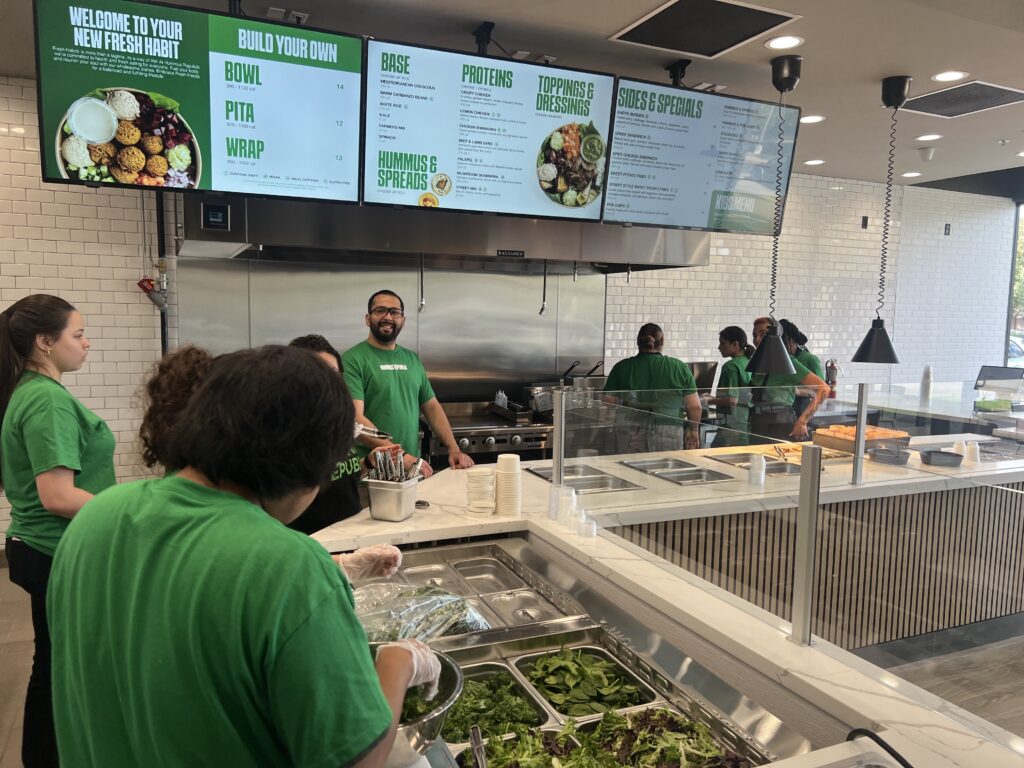
Here’s the math most franchise pitches skip. A manager-run model has higher labor costs than a pure owner-operator setup — you’re paying a general manager a real wage. That’s real. Anyone who tells you otherwise is not being straight with you.
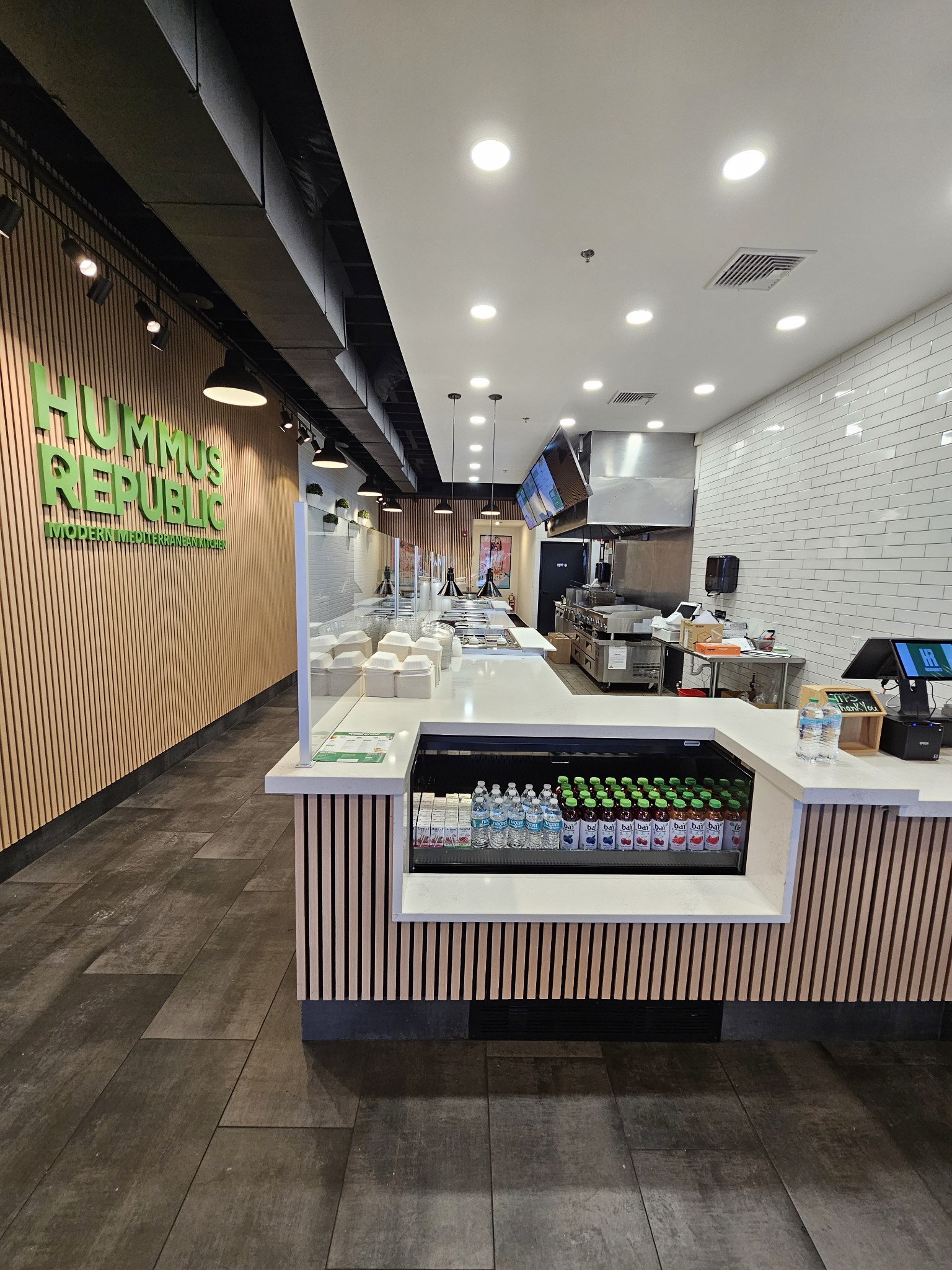
But here’s what that cost buys: scalability. An owner-operator can run one location, maybe two if they’re exceptional and exhausted. A semi-absentee owner with a solid manager can build toward a portfolio. The unit economics at Hummus Republic Franchise are designed with this in mind — streamlined operations, a tight menu built around real Mediterranean ingredients, and lower overhead than legacy fast-casual chains. You can review our honest cost breakdown on our page about what it really costs to open a fast casual restaurant.
| Ownership Model | Weekly Hours (Est.) | Scalability | Income Ceiling |
|---|---|---|---|
| Full Owner-Operator | 50–70 hrs | Low (1–2 units) | Limited by your hours |
| Semi-Absentee / Manager-Run | 10–20 hrs | High (multi-unit possible) | Grows with locations |
If building something your children can one day take over is part of the vision — and for a lot of people researching this, it absolutely is — then the franchise with semi-absentee ownership option is worth understanding carefully. We’ve written about exactly that long game in our post on how to build something your children can actually inherit.
Why the Food You’re Selling Changes Everything
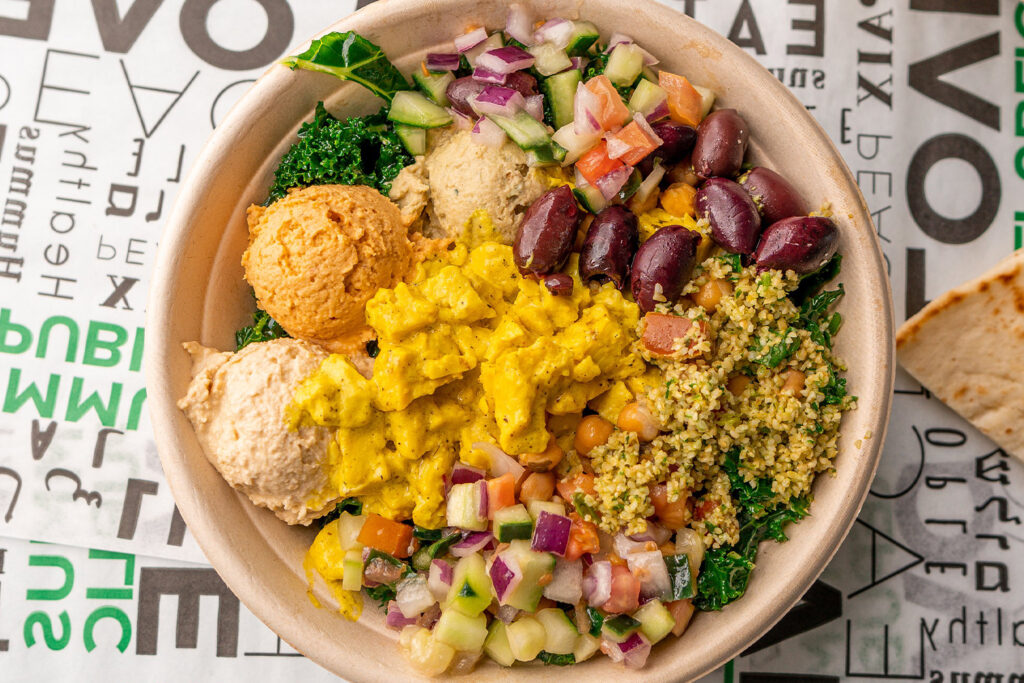
Operational models matter. But so does what you’re actually selling. There’s a reason Hummus Republic Franchise franchisees describe owning their location differently than someone who owns, say, a sandwich chain they’d never eat at on their own time. When the food is genuinely yours — when it’s rooted in the flavors your family actually cooked — the ownership feels different. The pride is real, and that matters more than people admit when they’re deep in spreadsheet mode.
It’s worth reading more about what it means that the food you are selling is food you actually grew up eating — because the answer shapes how you show up as an owner, and how your community responds to what you’ve built. And when someone from your community walks in and sees something that reflects them, that’s not just good marketing. Read about what it means when someone who looks like you owns the restaurant.
Support That Doesn’t Disappear After You Sign
The fear that support evaporates post-signing is legitimate — too many franchise systems sell you a dream and hand you a binder. At Hummus Republic Franchise, we stay in it with you: training, operations playbooks, supplier relationships, and real human support when things go sideways. The FTC’s consumer guide to buying a franchise is a good resource if you want to understand exactly what a franchisor is legally required to disclose — and what questions you should be asking every system you evaluate.
You deserve honest answers before you commit a dollar. That’s exactly what our discovery process is built around.
— Chris
Some content on this site is AI-assisted and may not reflect exact current details — please verify with Hummus Republic Franchise at . Learn more.