Picture this: you’re at your kitchen table at midnight, running the numbers one more time — lease, labor, food cost, royalties — trying to decide whether any of this actually pencils out. If you’ve been researching franchises seriously, you already know that understanding What Margins Can You Expect from a Fast Casual Restaurant is the difference between a smart entry and an expensive lesson. So let’s talk about it honestly, the way a friend who’s done the research would.
The Numbers That Actually Move the Needle
Fast casual typically runs food costs (COGS) between 28% and 35% of revenue. Labor adds another 28%–35%. Add rent, royalties, utilities, and supplies, and you’re hoping for a net margin somewhere between 6% and 15%. That spread is wide for a reason: the concept, the menu, and the operational model matter enormously.
Mediterranean food — built around hummus, falafel, shawarma, fresh vegetables, and olive oil — sits in a structurally favorable position. Core ingredients are affordable, shelf-stable, and scalable. A focused menu that cuts waste and lowers cost isn’t just a philosophy; it’s a margin strategy. Fewer SKUs mean tighter purchasing, less spoilage, and a kitchen a trained team can run without a culinary superstar in the back.
Why What Margins Can You Expect from a Fast Casual Restaurant Favors Mediterranean Fast Casual
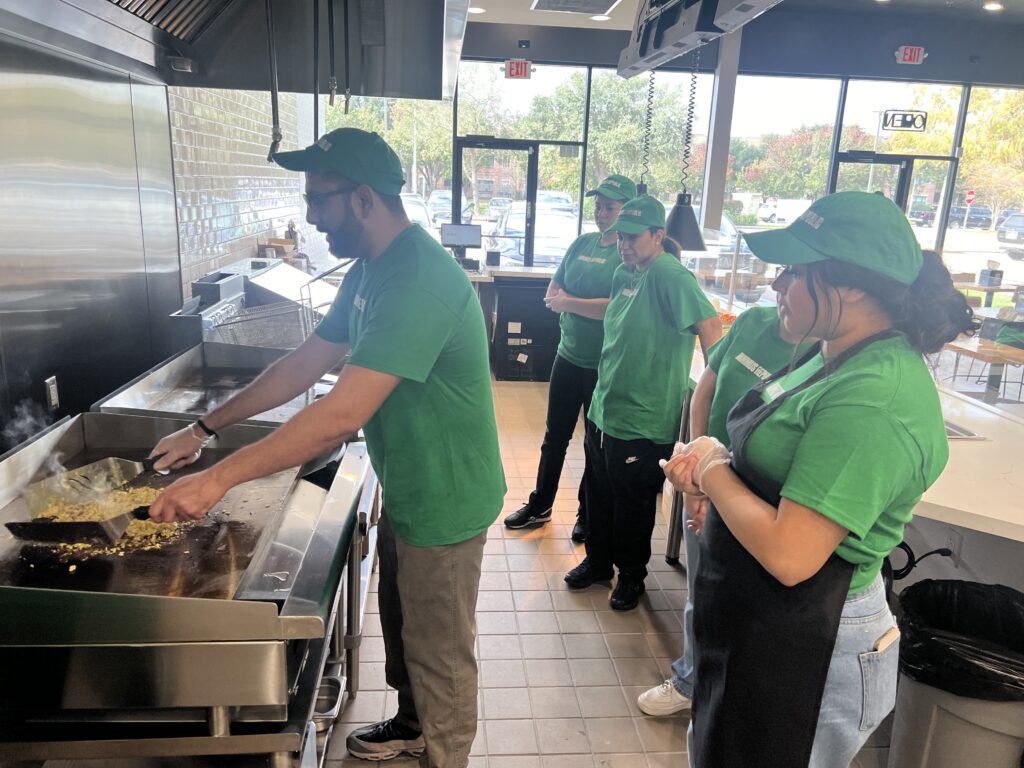
Imagine walking into your location on a Tuesday and knowing — without checking three supplier invoices — exactly what your food cost ran last week. That’s what a centralized supply chain changes about running a kitchen: consistent pricing, predictable margins, no scrambling when one vendor raises rates.
For a franchise with strong unit economics, the goal is to keep COGS at or below 30%. Mediterranean fast casual makes that achievable because the food lends itself to batch prep, ingredient cross-utilization, and a ticket that averages $12–$16 without feeling expensive to the customer. According to fast casual profit margin benchmarks from IBISWorld, operators who control food and labor costs tightly consistently outperform segment averages — and that’s exactly where a well-engineered menu concept pays off.
A focused Mediterranean menu isn’t a limitation — it’s a financial architecture. Every item on the board serves the customer well and protects your margin at the same time.
What the Model Looks Like in a Real Market
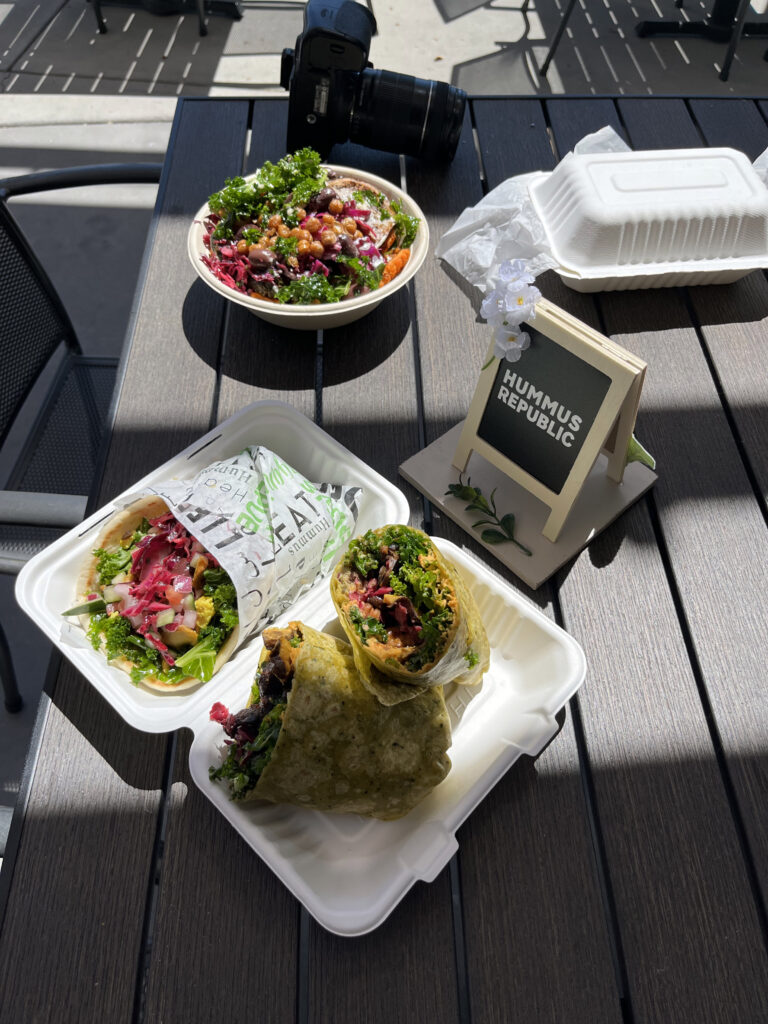
Let’s ground this locally. Near Elmwood Village or along Hertel Avenue in Buffalo, you’re looking at high-traffic corridors with lunch and dinner volume a well-run fast casual can convert into consistent weekly revenue. The reason food courts and high-traffic corridors are quietly perfect for Mediterranean fast casual is volume predictability: you’re not waiting for destination diners — you’re capturing daily routines.
A well-positioned unit running $600K–$900K in annual revenue can generate owner earnings in the $70K–$130K range after all expenses, depending on rent, local labor rates, and operator involvement. That’s a range, not a guarantee — but it’s the kind of range that makes the ROI conversation worth having seriously. You can calculate ROI on a food franchise before you sign anything, and you should.
What Makes Hummus Republic Franchise Worth Examining
Notice how the unit economics story here doesn’t rely on volume tricks. It’s structural. Here’s what the model actually looks like:
- Lower startup costs than legacy QSR franchises — shorter payback period, less financial pressure in year one
- Tight, intentional menu that keeps COGS predictable and waste minimal
- Centralized supply so you’re not negotiating individually with five vendors
- Labor-efficient prep — the cuisine naturally suits small, trained teams
- Broad audience appeal including halal options, plant-forward dishes, and clean-label ingredients
If you’ve been comparing opportunities, you’ve likely noticed that a low-cost franchise is not the same as a cheap one. The distinction lives entirely in the unit economics. Cheap means corners cut on training, supply quality, or support. Low-cost with strong margins means the model was engineered well from the start.
Feel the confidence that comes from reading an FDD and actually understanding what the numbers mean. Reach out through our contact form — Hummus Republic Franchise answers the hard financial questions directly, without deflecting. That’s where this conversation begins. You can also get in touch.
Some content on this site is AI-assisted and may not reflect exact current details — please verify with Hummus Republic Franchise at . Learn more.