I’ve talked to a lot of people who are seriously considering franchise ownership, and almost every conversation hits the same wall: “But I still have my job. I can’t be there every day.” That fear is legitimate — and it’s also, with the right setup, completely solvable. Getting this right is less about HR tactics and more about choosing a franchise model that was designed from the start to work without you chained to the counter. That’s the part most franchise consultants skip over.
The Real Question Isn’t “Can I Hire a Manager” — It’s “Does the Model Allow It”
Here’s the honest version: some franchises are operationally complex enough that even a great manager struggles without the owner present. Multiple proteins rotating on a grill, 47-item menus, high-ticket catering orders that all require judgment calls — those systems demand your attention even when you’d rather be at your kid’s school play.
That’s why the first step in how to transition out of daily operations in a franchise is picking a concept with simple, repeatable operations. A short, focused menu. A prep process that doesn’t require a culinary degree. A kitchen rhythm any trained manager can own with confidence after a few weeks of solid onboarding. What a manager-run location model actually does to your income and your schedule is something worth reading before you sign anything.
What Makes a Franchise Manageable Without You
There are franchise models that allow semi-absentee ownership — and the ones that work share a few structural traits. Think of it like this:
| What Breaks Semi-Absentee Models | What Enables Them |
|---|---|
| Complex, multi-protein menus | Focused menu with consistent prep |
| Owner-dependent supplier relationships | Centralized supply chain handled by franchisor |
| No formal training program | Structured onboarding for managers |
| Support disappears after opening day | Ongoing franchisor ops support |
| High staff-to-revenue ratios | Lean, trainable floor team |
A food franchise with simple staffing requirements doesn’t mean a lower-quality product. It means the system was engineered for consistency — which is actually better for the customer and dramatically better for the owner who isn’t on-site at 11am on a Tuesday. How a centralized supply chain actually changes the daily reality of running a kitchen gets into exactly why this matters.
“The goal isn’t to disappear — it’s to lead without being the bottleneck. A good manager runs the floor. A great franchise system makes sure they can.”
How to Actually Hire and Develop a Floor Manager Worth Trusting
Once the model is right, the hiring side gets a lot more manageable. Here’s what we’ve seen work:
- Promote from within where possible. The person who already knows your regulars, your flow, your kitchen quirks — that person has context money can’t buy. Train them up before you need them.
- Look for people who finish things without being asked. That sounds obvious, but watch for it in your first few hires. The one who locks up without a reminder, who fixes the display without a note — that’s your future manager.
- Give them real authority, not just a title. A manager who has to call you for every supply decision or staff conflict isn’t a manager — they’re a highly stressed employee. Build real decision-making autonomy into the role from day one.
- Lean on your franchisor’s training infrastructure. A franchise system worth investing in has documented training for managers, not just for owners. If it doesn’t, that’s your warning sign.
- Review weekly, not daily. Set the cadence early. A 30-minute weekly check-in with clear KPIs beats hovering — and it communicates trust, which your manager will give back to you tenfold.
If you want to understand what you’re actually building toward — a business your family can rely on and eventually inherit — how to build something your children can actually inherit is worth your time.
Why This Works Better in Mediterranean Fast Casual
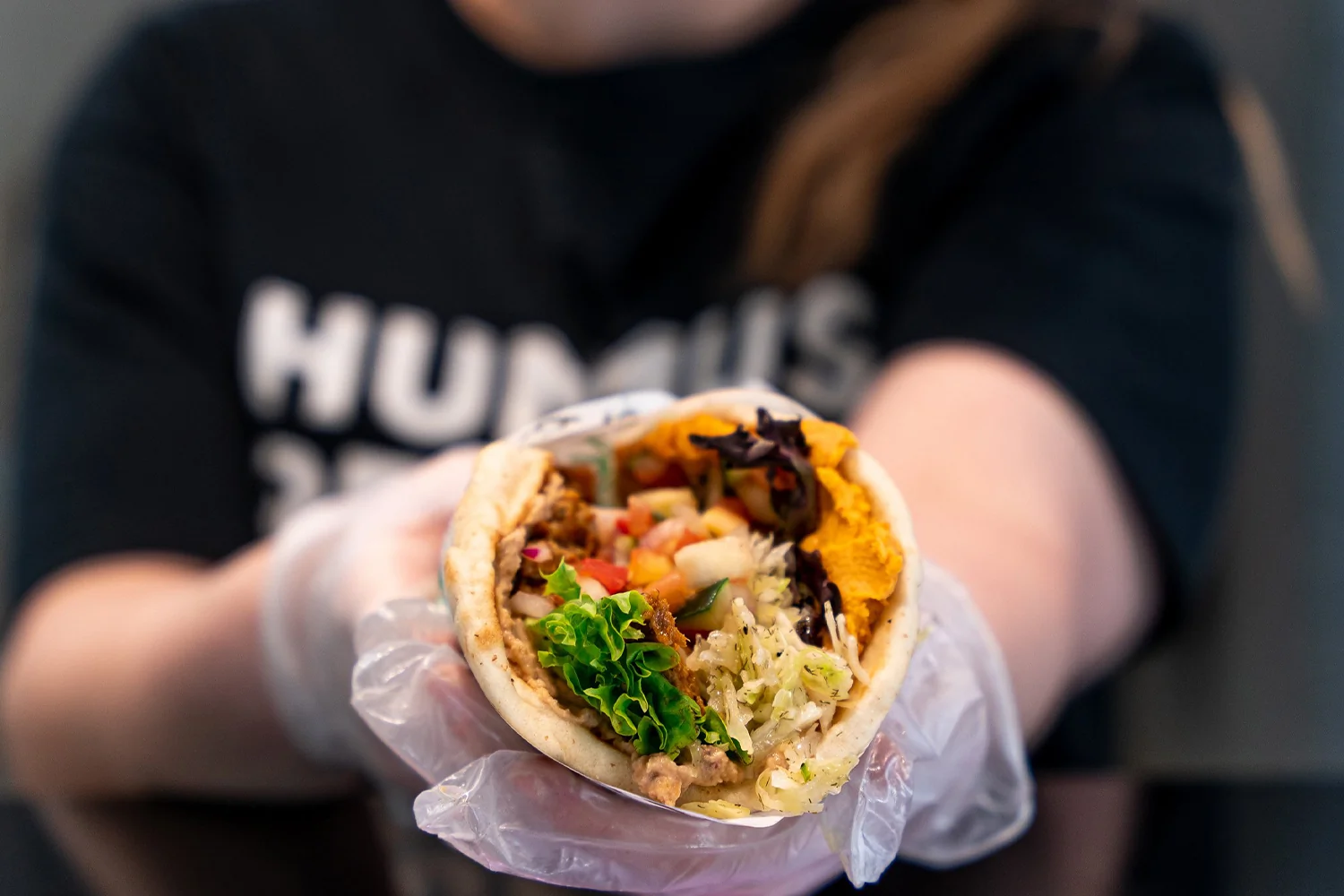
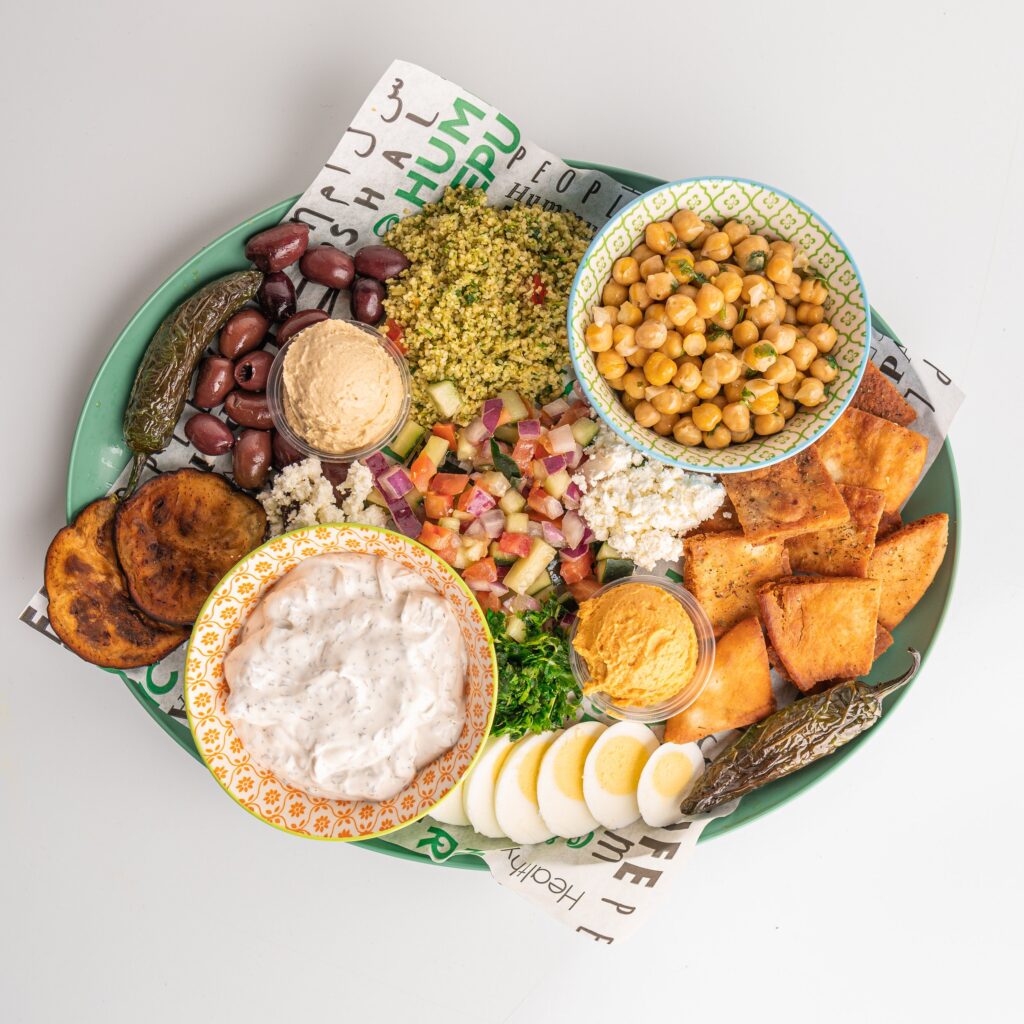
Not every food category makes this easy. But Mediterranean fast casual — real hummus, falafel, shawarma, fresh bowls — has structural advantages that work in the owner’s favor. The food is ingredient-forward, not technique-dependent. Prep is consistent. The menu doesn’t require a rotating cast of specialists. And customers who grew up eating this food don’t need to be educated on what they’re ordering — they already know and they already love it.
That cultural familiarity matters operationally too. When the food has a story — when it’s something your community actually recognizes as real, not a corporate approximation — your team tends to care more. And a team that cares more is a team a manager can actually lead. What it means that the food you are selling is food you actually grew up eating gets into that dynamic in a way that I think will resonate.
The franchise model that fits your family’s life instead of competing with it isn’t a fantasy — it’s an operational choice you make on day one, by picking the right system. The International Franchise Association’s research consistently shows that owner involvement correlates with franchise model design, not just owner effort — systems built for delegation perform better under semi-absentee structures than those built around owner-operators by default.
If you’re ready to have a real conversation about what this looks like for your situation — your capital, your market, your goals — get in touch. We’ll walk through the numbers honestly, answer the hard questions, and let you decide at your own pace. No pressure. Just clarity.
Some content on this site is AI-assisted and may not reflect exact current details — please verify with Hummus Republic Franchise at . Learn more.