

Picture this: you’re at the kitchen table, spreadsheet open, running numbers on a rental property somewhere in Indianapolis, IN — calculating cap rates, vacancy risk, maintenance reserves. And a quieter question surfaces: is this actually the best use of what I’ve built? That’s worth sitting with. Because when you put Franchise Investment Compared to Rental Property side by side with rental property and look honestly at both, the picture gets more interesting than most financial advisors admit.
What Rental Property Actually Gives You
Real estate is tangible. Your parents’ generation understood that — land doesn’t disappear. A single-family rental in a solid Indianapolis, IN neighborhood can generate steady income once it stabilizes. Typical net cash flow in mid-sized U.S. markets runs $200–$700 per month after expenses — sometimes more, often less once a bad tenant year or a roof replacement hits.
But here’s what the pro-rental crowd glosses over: it is not passive. Toilets break. Tenants leave. Property managers charge 8–12% of gross rent and still call you at inconvenient hours. You’re running a business — just one with no brand equity, no scalability, and no story worth telling at dinner.
Franchise Investment Compared to Rental Property: The Case for a Smarter Asset

A franchise, done right, generates significantly higher cash flow per dollar deployed than a single residential unit — and compounds differently. You’re not just collecting rent; you’re building a brand asset, a trained team, and operational equity that your children can actually inherit.
The numbers matter. Legacy fast-food franchises often require $500,000 to over $1 million in liquid capital before you sign anything. Mediterranean fast-casual concepts like ours operate at meaningfully lower entry points, which changes the math entirely. For someone sitting on $80,000–$150,000 in savings — maybe from years in healthcare, engineering, or logistics — an SBA-backed investment can stretch that capital further than a down payment on a second property. Understanding how SBA loans work for restaurant franchises is a genuine game-changer, and you can also review how the SBA 7(a) loan program supports franchise buyers directly on the SBA’s site. A model built for efficiency, not complexity keeps startup costs lean without cutting corners.
The best investment isn’t always the one with the lowest risk. It’s the one where the risk is knowable, the system is proven, and the upside is yours to build.
Portfolio Thinking: How Franchises Scale Where Rentals Stall
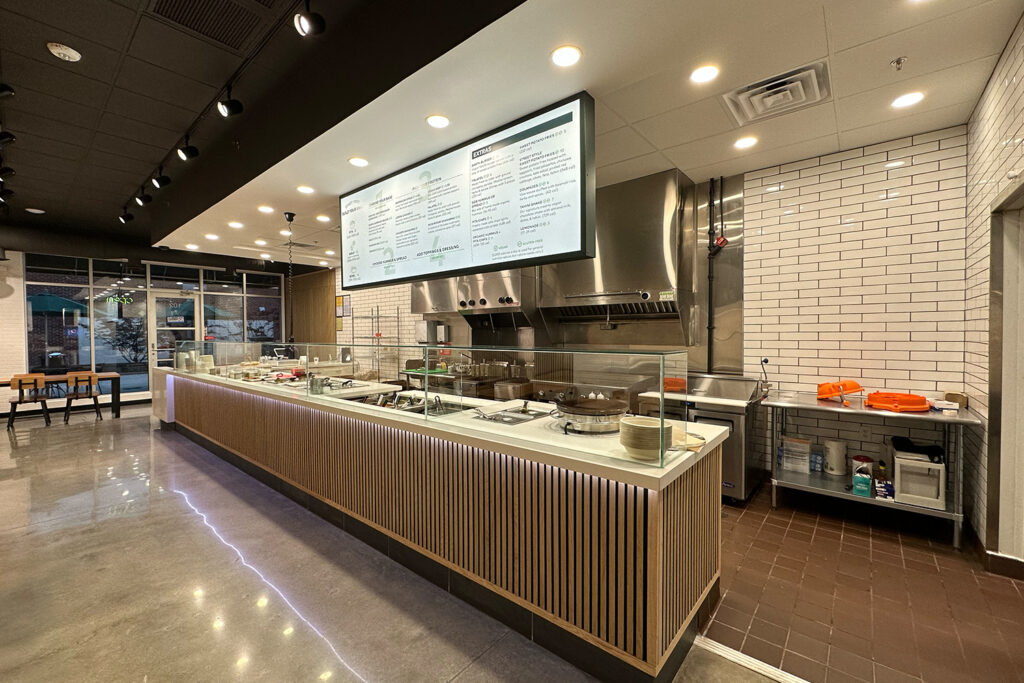
A well-run franchise location — especially one operating with a strong general manager — functions more like a dividend-paying equity position than an active job. Imagine your location near a high-traffic corridor in Indianapolis, IN, humming through the lunch rush while you’re at your kid’s soccer game. That’s not fantasy; that’s what a manager-run location model actually does to your income and your schedule.
Now stack a second unit two or three years in. Notice how your rental portfolio doesn’t compound the same way — each additional unit is a fresh headache. A scalable franchise with a centralized supply chain gets easier as you add locations, not harder.
- Lower capital entry versus legacy fast-food franchises
- SBA financing available for qualified buyers
- Manager-run model supports semi-absentee ownership
- Scalable across multiple units once the first stabilizes
- Brand equity you can eventually sell or transfer
Before you decide, run your own numbers honestly with our ROI calculator guide for food franchises. Then think about what you want your kids to see you build — a deed, or a door with your name on it.
Ready to have an honest conversation about whether this is the right move for where you are right now? get in touch — no corporate script, just straight answers.
Some content on this site is AI-assisted and may not reflect exact current details — please verify with Hummus Republic Franchise at . Learn more.