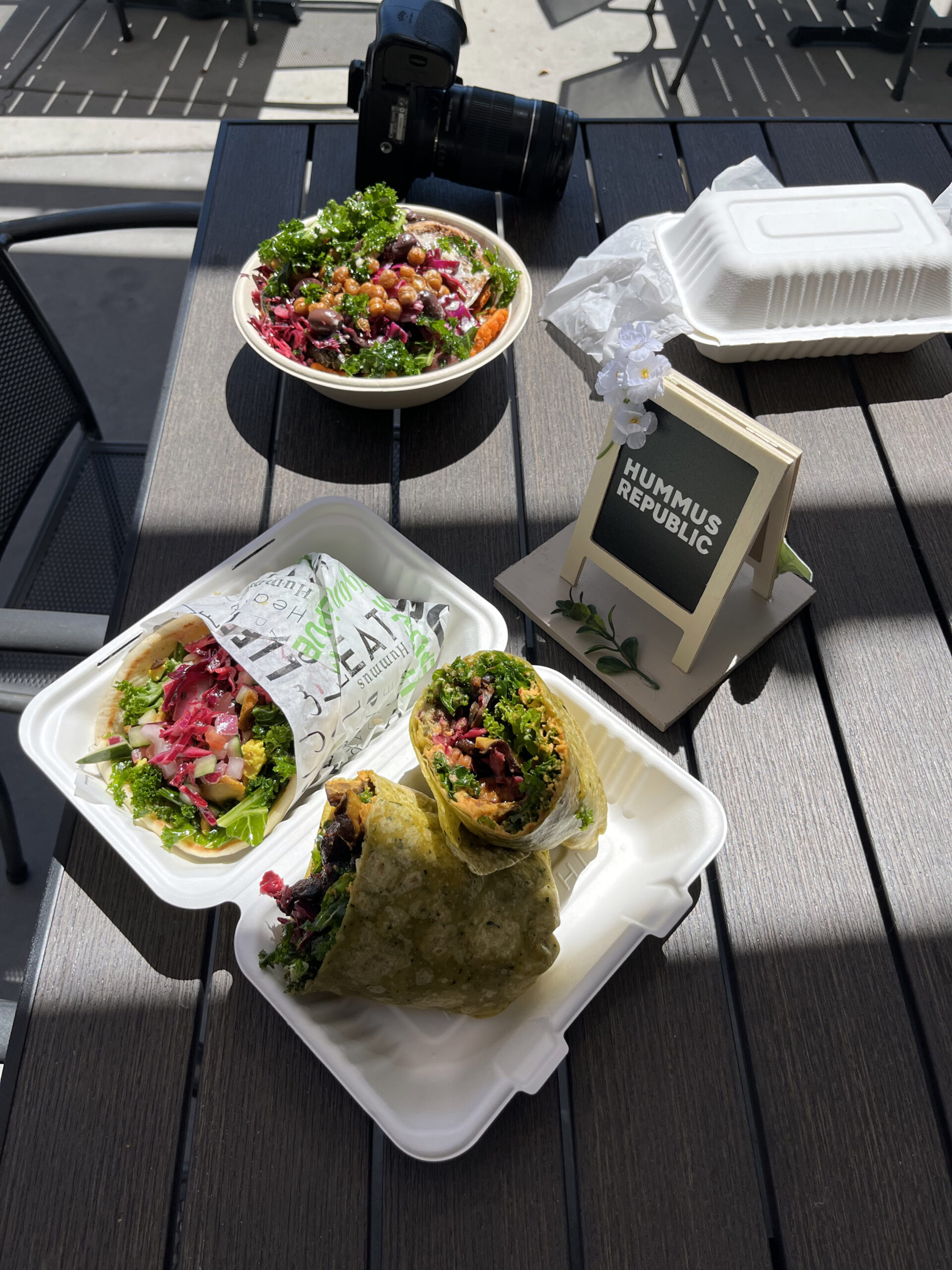
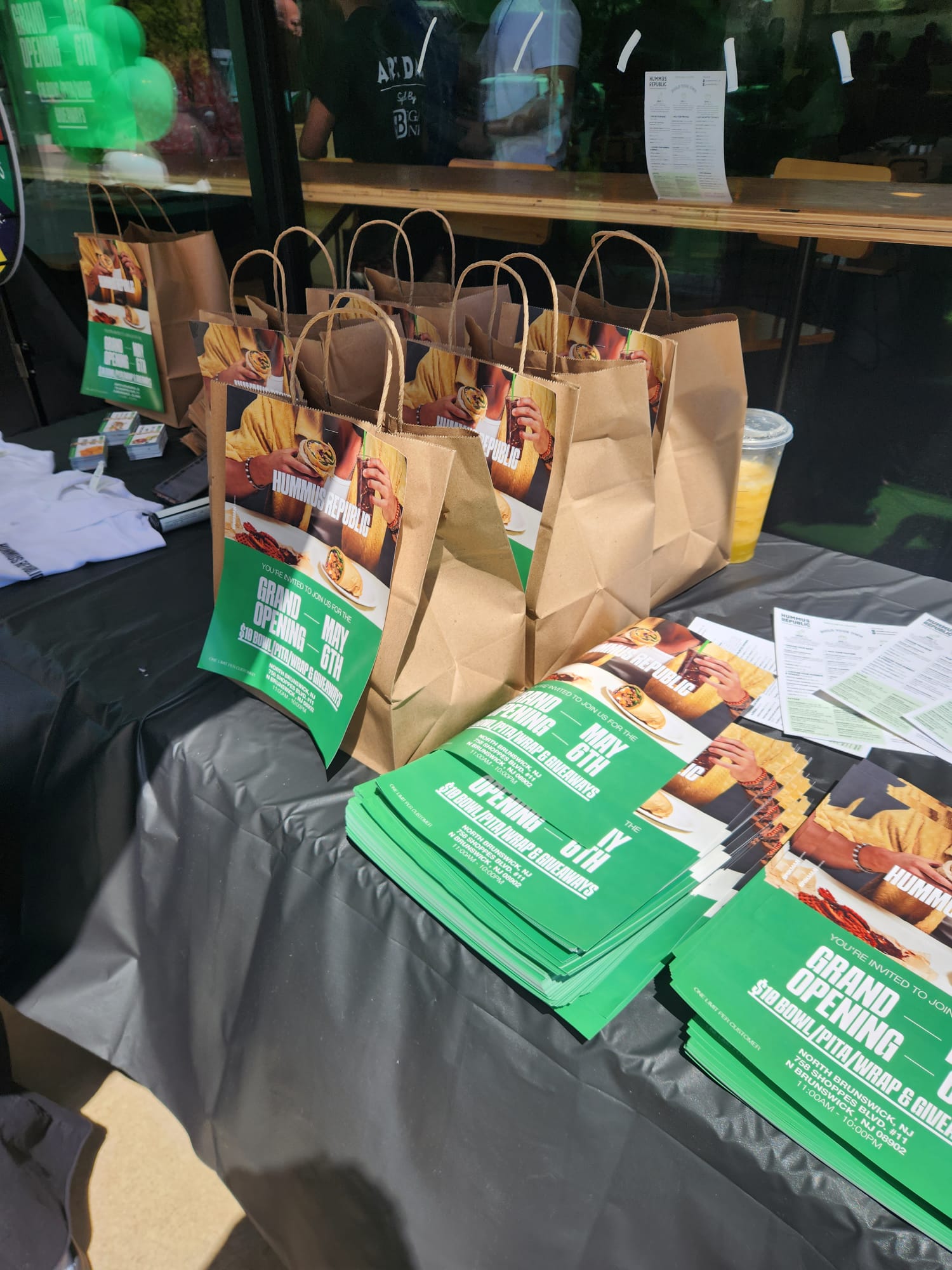
I’ll be honest — when people used to say “plant-forward” I mentally filed it next to juice cleanses and avocado toast. Something with a moment, not a movement. But here we are, and Why Plant Forward Food Is Trending has graduated from lifestyle blog to mainstream economic force. This isn’t about kale anymore. It’s about a fundamental shift in how Americans decide what to eat — and more importantly, where they spend money doing it. If you’re thinking about franchise investment and you haven’t looked hard at what that shift actually unlocks, this is the post worth finishing.
The Numbers Behind the Shift
Plant-forward eating — food built around grains, legumes, fresh vegetables, and clean proteins — has moved from niche to dominant across the American fast-casual landscape. According to the International Food Information Council’s 2023 Food and Health Survey, a majority of American consumers now say the healthfulness of food is a top-three factor in their purchasing decisions. That’s not a small cohort of wellness devotees — that’s the dining mainstream.
And inside that mainstream, one cuisine keeps surfacing at the top of every growth chart: Mediterranean. If you’ve been watching the fast-casual space and wondering why Mediterranean food is one of the fastest-growing segments in American fast casual, the answer is almost embarrassingly simple. The food already was what everyone is now trying to be — fresh, filling, legume-rich, minimally processed, and genuinely satisfying. It didn’t need a rebrand. It just needed the rest of the country to catch up.
Why More People Are Eating Mediterranean Food Right Now
There’s a reason why more people are eating Mediterranean food — and it goes beyond health headlines. Hummus, falafel, tabbouleh, shawarma wraps: these are foods with actual cultural weight. They come from tables where eating together mattered more than eating fast. That story resonates with a broad American public that is tired of food that feels engineered rather than cooked.
- Clean ingredient lists — no mystery sauces, no industrial fillers. Chickpeas are chickpeas.
- Dietary flexibility built in — naturally accommodates halal, vegetarian, gluten-sensitive, and high-protein preferences without a separate menu.
- Flavor complexity — za’atar, sumac, tahini, lemon — these aren’t flavors you can fake with a powder packet.
- Price-to-value ratio — a bowl that’s genuinely satisfying at a fast-casual price point. That math works for families.
This is the fast casual franchise with clean eating appeal that investors have been searching for — one where the menu’s integrity isn’t a marketing claim. It’s just what the food actually is.
The Franchise Opportunity Hidden Inside the Movement
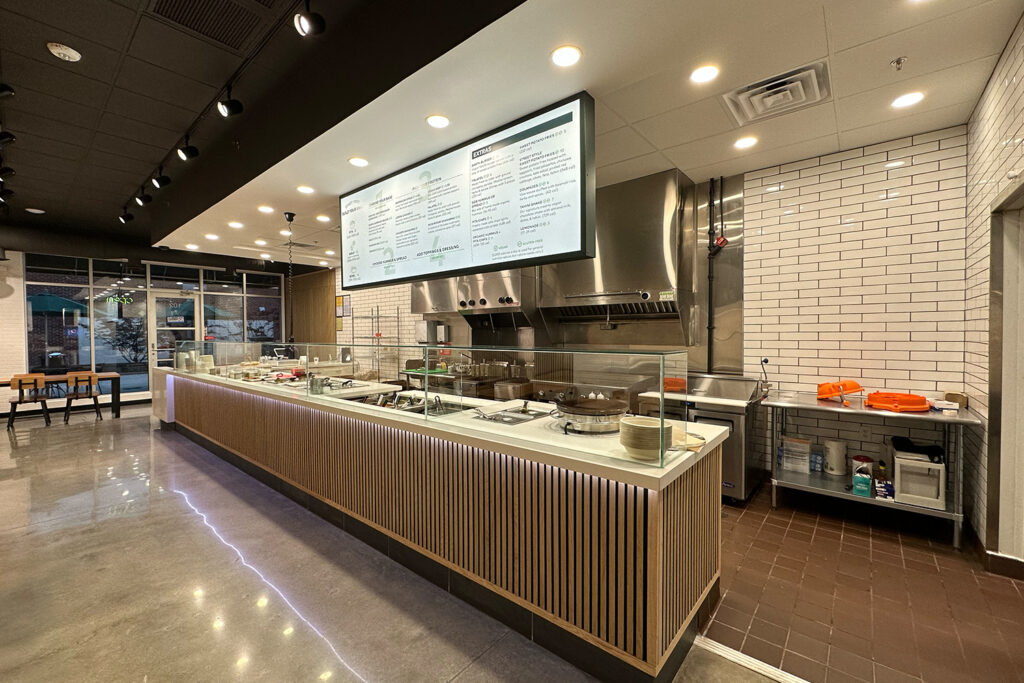
Here’s where it gets interesting for anyone thinking about their next financial move. When a food category crosses from trend to cultural staple, the investment window narrows. Early adopters in a growing segment capture the best territories, the most loyal opening-week crowds, and the brand equity that compounds over years. Late movers fight for scraps.
“The best time to plant a flag in a growing food movement is before everyone else realizes the movement already won.”
Mediterranean fast casual is at that inflection point right now. There are still urban markets where Mediterranean fast casual is still wide open — cities where demand is real but supply is thin. For a franchise investor who wants to build something durable and not just ride someone else’s momentum, that gap is the opportunity.
What makes us different isn’t just the menu. It’s the model. We built our system to lower the barrier to entry compared to legacy fast-food franchises — and we’re transparent about what that actually costs. If you haven’t seen an honest breakdown yet, here’s what it really costs to open a fast-casual restaurant. No inflated estimates, no fine print surprises.
Plant-Forward vs. Legacy Fast Food: A Quick Comparison
| Factor | Legacy Fast Food Franchise | Hummus Republic (Mediterranean Fast Casual) |
|---|---|---|
| Menu alignment with clean eating trends | Retrofitting; adds salads to existing menu | Core menu is inherently plant-forward |
| Dietary flexibility | Limited; requires menu modifications | Halal, vegetarian, gluten-sensitive — built in |
| Cultural authenticity | Corporate approximation | Rooted in actual Levantine and Mediterranean tradition |
| Startup cost relative to segment | Often $500K–$1M+ | Meaningfully lower barrier to entry |
| Owner’s brand connection | Uniform; no personal story | You can genuinely claim the story as yours |
That last row matters more than people give it credit for. There’s a real difference between selling food because it pays and selling food because it means something to you. We’ve written about what it means that the food you are selling is food you actually grew up eating — and that difference shows up in how owners run their locations, how staff feels working there, and how regulars talk about the place to their neighbors.
A healthy fast food franchise alternative that also carries cultural pride isn’t a niche product. It’s the thing a lot of people have been waiting for. And the families building generational wealth through it — the ones who want to build something their children can actually inherit — are the ones who moved while the window was still open.
If this post hit something real for you, the next move is a conversation — no pressure, no pitch deck dressed up as a discovery call. Just honest answers to the questions you’ve already been running in your head. Get in touch or visit Hummus Republic Franchise online and let’s talk about what this could actually look like for you.
Some content on this site is AI-assisted and may not reflect exact current details — please verify with Hummus Republic Franchise at . Learn more.