There’s a version of this conversation happening right now in kitchens and living rooms across the country — someone doing the math, pulling up Google Maps, wondering whether their city has room for something real. If that’s you, you already know the food is there. The question is whether the market is. We built Hummus Republic Franchise to answer that question honestly, and what we keep seeing is this: the best cities for a Fast Casual Brand in Urban Food Markets aren’t the ones everyone is already talking about. They’re the ones quietly waiting.
Why the Obvious Markets Aren’t Always the Best Ones
New York, Los Angeles, Chicago — yes, the demand is enormous. But so is the competition, the real estate cost, and the noise. The operators who are building real wealth right now aren’t always the ones who planted flags in Manhattan. They’re the ones who looked at secondary cities and saw what was missing before everyone else did.
According to Technomic’s industry research on fast casual growth, Mediterranean food is one of the fastest-expanding segments in American dining — and a significant portion of that growth is happening outside the top-five metros. Demand is spreading. Supply hasn’t caught up. That gap is where the opportunity lives.
We’ve written about this in depth — why underserved food franchise markets are actually the smartest places to open a Mediterranean franchise right now. The short version: when a market is underserved, you’re not fighting for scraps. You’re setting the table.
Markets Where the Fast Casual Brand in Urban Food Markets Has Real Room to Run
Here’s an honest look at the types of urban markets we’re watching — and why they make sense for an emerging food franchise brand with staying power.
| Market Type | Why It Works | What to Watch |
|---|---|---|
| Mid-size metros (500K–1.5M pop.) | Lower real estate cost, less saturated, strong community loyalty | Foot traffic corridors, proximity to universities or medical centers |
| Diverse suburban corridors | High demand for familiar, quality food; underserved by major chains | Daytime workforce density, adjacent retail anchors |
| Growing Sun Belt cities | Population influx, rising disposable income, newer food culture | Neighborhood formation speed, competitive set |
| Established neighborhood hubs in large metros | Dense foot traffic, strong repeat customer potential | Rent-to-revenue ratios, parking and accessibility |
Think about a city like Houston’s Westheimer corridor, or the Dearborn, Michigan market, or parts of the Atlanta metro — areas with dense, food-literate populations and a clear appetite for the kind of food Hummus Republic Franchise serves. These aren’t hypotheticals. These are real zip codes where the math works.
What Makes This Brand Different in Those Markets
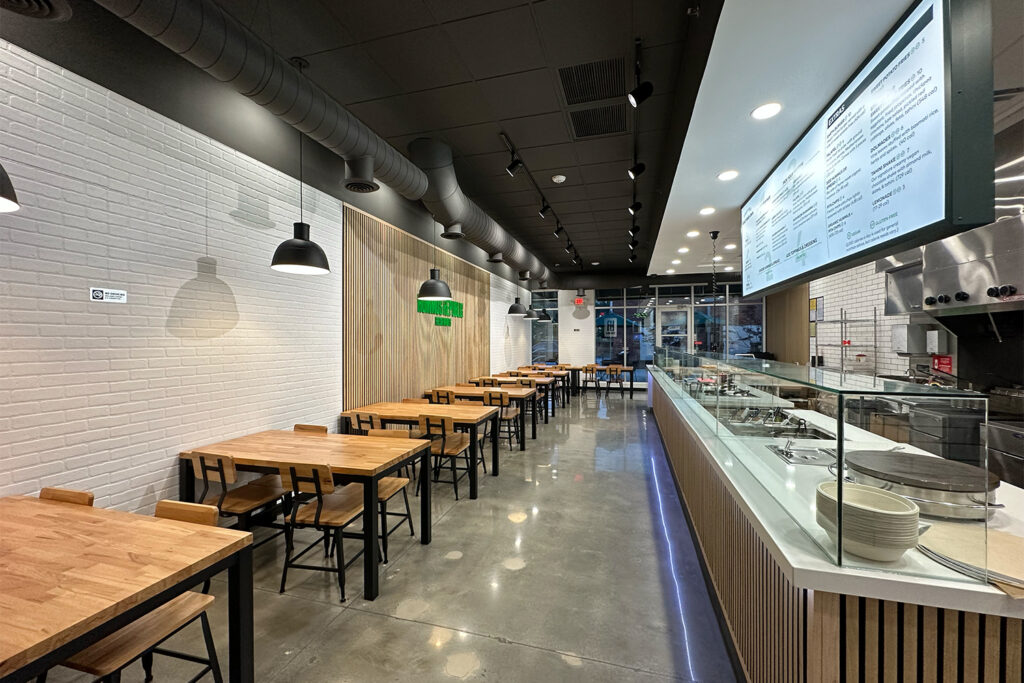
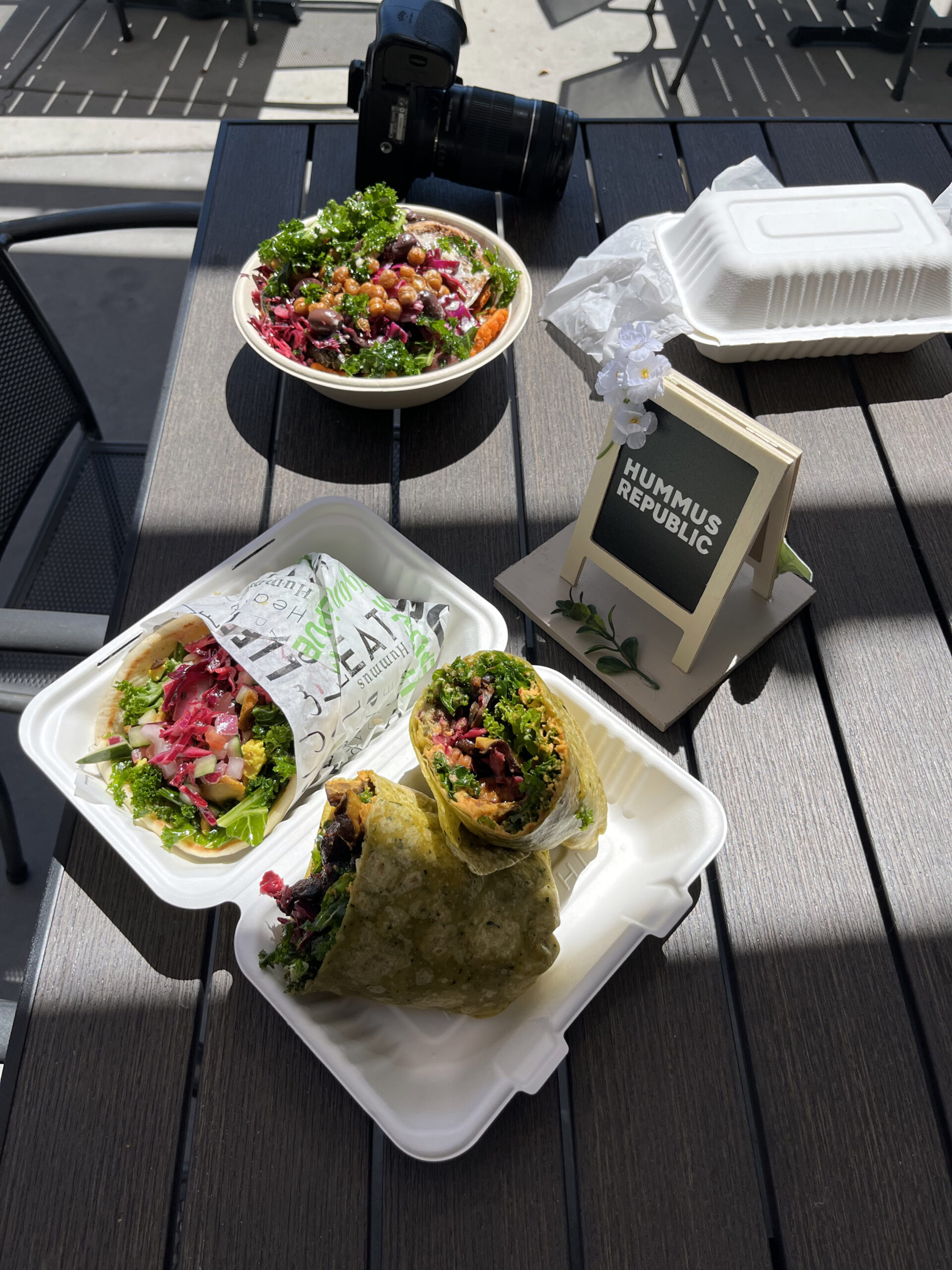
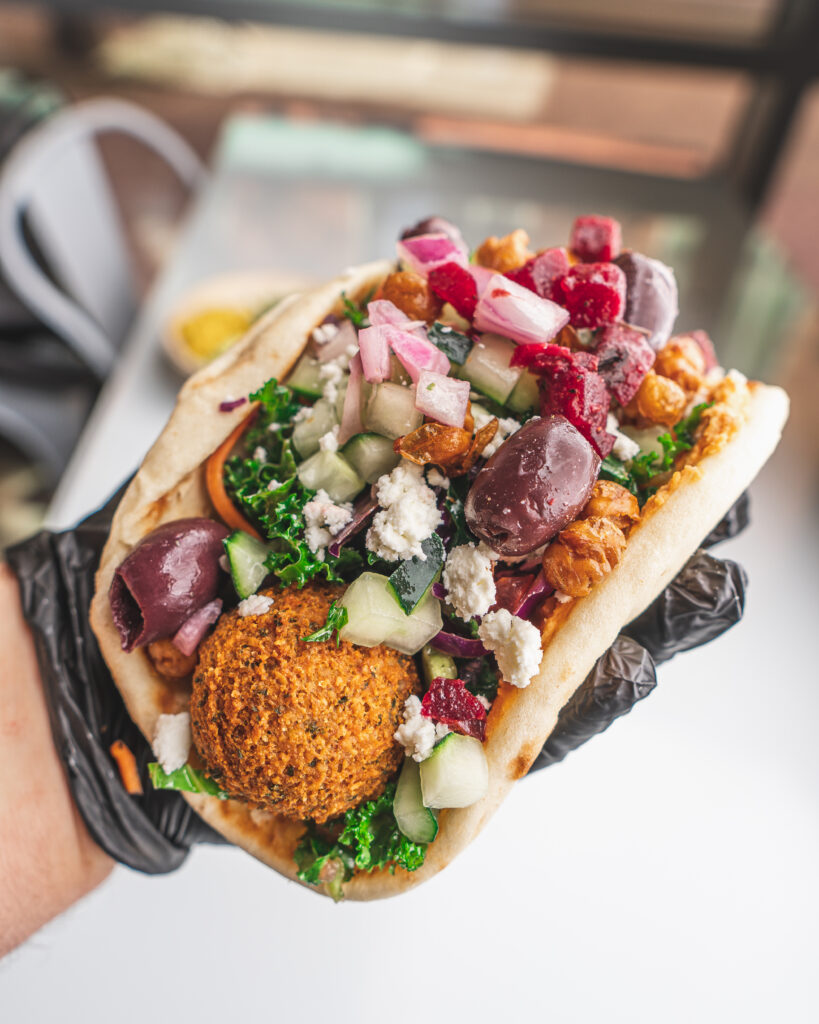
Most fast casual brands expanding across the United States ask you to sell something you’d have to explain to your family. We don’t. The food at Hummus Republic Franchise is the food — the hummus, the falafel, the shawarma, the bowls that taste like something someone’s mother actually made. That authenticity isn’t a marketing angle. It’s the product. And when the person behind the counter is someone who grew up eating it, the whole thing lands differently.
That’s worth reading more about if you haven’t already: what it actually means that the food you’re selling is food you grew up eating. It changes the way you talk about it. It changes the way customers receive it. And it changes the way you feel about walking through the door every morning.
The best markets for a Mediterranean franchise aren’t always the loudest ones — they’re the ones where real food still feels like a discovery.
The Operational Model Matters as Much as the Location
Picking the right market is only half the equation. The other half is whether the franchise model can actually support you once you’re in it. Legacy franchise systems often demand years of restaurant experience before they’ll even talk to you — and then charge you for the privilege of learning their system from scratch.
We built something different. And if you’re weighing whether your schedule and background make this realistic, it’s worth understanding what a manager-run location model actually does to your income and your time. The model exists precisely so that you don’t have to choose between running a business and having a life.
And for those watching the startup cost carefully — which is everyone who’s done this honestly — the difference between a low-cost franchise and a cheap one is real and worth understanding before you sign anything. We break that down plainly here.
The Window Is Open — But Not Indefinitely
Markets move. The cities that look wide open today won’t look that way in three years once a few well-funded operators figure out what we already know about the best markets for Mediterranean franchise growth. The people who build something real with Hummus Republic Franchise aren’t the ones who waited until every variable was perfect. They’re the ones who did the research, asked the hard questions, and moved while the window was still open.
- You don’t need prior restaurant experience to qualify
- Startup costs are structured to be accessible — not punishing
- We’re actively identifying and protecting territories in emerging markets
- Support doesn’t disappear after the agreement is signed
If you want to understand how this can become something your children actually inherit — not just a job you owned — that conversation starts here.
Get in touch and ask the hard questions. That’s what the call is for.
Some content on this site is AI-assisted and may not reflect exact current details — please verify with Hummus Republic Franchise at . Learn more.