Let’s be honest — the first location almost broke you in the best possible way. You figured out the opening, survived the slow weeks, found your rhythm. Now the numbers are holding, the regulars know your name, and something in your gut is saying more. Knowing How to Open a Second Franchise Location is one thing. Actually doing it without watching location one unravel while you’re distracted building location two — that’s the real question. Here’s how we think about it, and why the model matters more than the money.
Your First Location Has to Run Without You First
This is the part nobody wants to hear: if your first store still needs you on the floor five days a week, you are not ready to open a second one. You are ready to think seriously about hiring a general manager — someone who runs the floor so the operation holds when your attention is divided. That is not a luxury. It is a prerequisite.
The operators we have seen scale successfully all share one habit: they systemized location one before they signed anything for location two. Checklists, opening procedures, vendor contacts, staff accountability — written down, trained to the team, tested over months. When that infrastructure exists, location one becomes an asset that earns while you build. When it doesn’t, it becomes the thing that quietly falls apart while you’re not looking.
The best multi-unit operators aren’t working harder at unit two — they’re working smarter at unit one first.
Why How to Open a Second Franchise Location Works Better Inside a Scalable Model
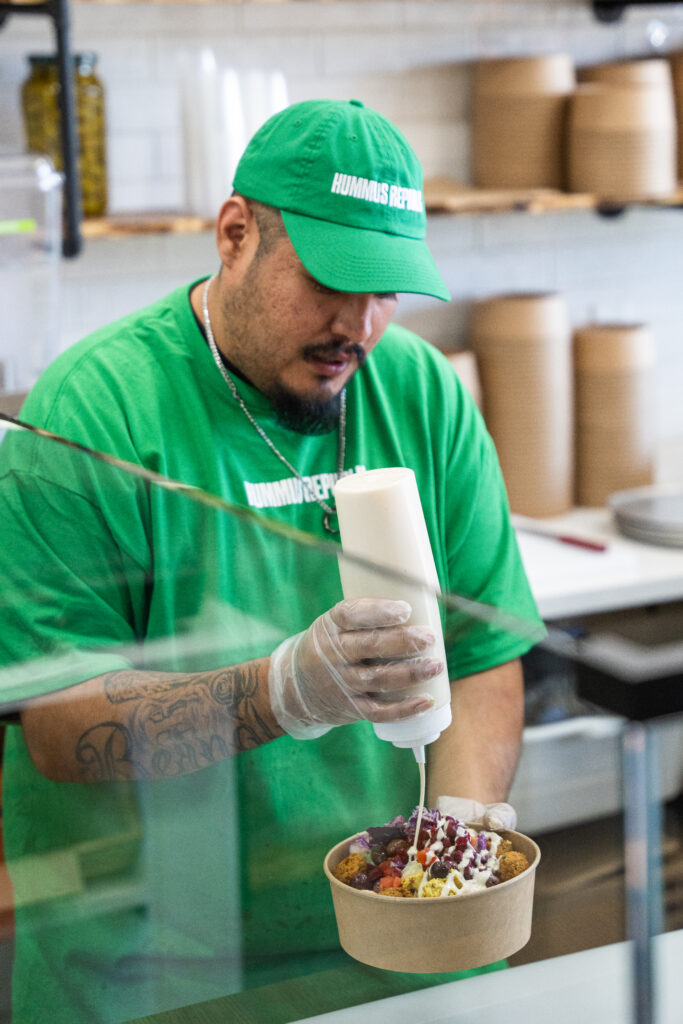
Not every franchise is built to scale. Some systems are designed around the owner-operator being present — which means every location you add is another job you’re taking on personally. A restaurant franchise with a scalable model is built differently. Centralized supply chains, standardized prep, streamlined menus — these aren’t just operational perks, they’re what make a second unit possible without doubling your stress. We cover why that infrastructure matters day-to-day in our piece on how a centralized supply chain changes the daily reality of running a kitchen.
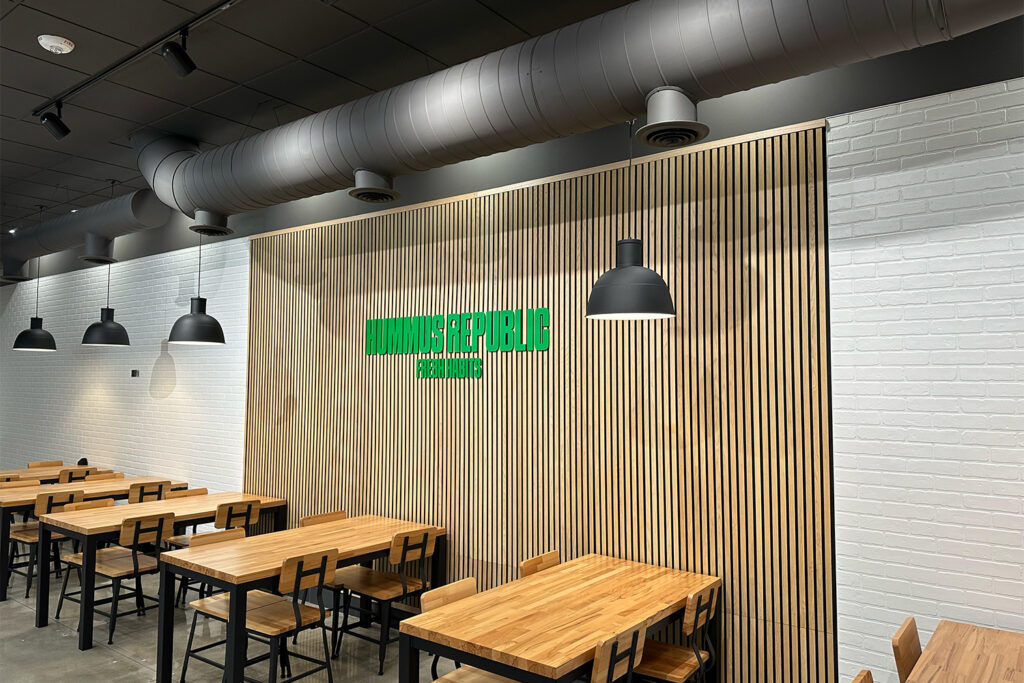
At Hummus Republic Franchise, the model is deliberately lean. A short, intentional menu means training is faster, waste is lower, and quality holds across locations without heroic effort. Franchise with strong unit economics is a phrase that gets thrown around a lot — what it actually means in practice is: the math works at the unit level before you layer in complexity. If the margins aren’t there at location one, location two won’t fix them. If they are, the second unit multiplies what’s already working.
The Multi-Unit Conversation Starts With Territory
Before you start scouting real estate, understand your protected zones. A multi unit restaurant franchise opportunity only makes sense if you’re not going to cannibalize your own revenue by opening too close — or get boxed out by another franchisee opening too close to you. Read through the details on territory overlap and protected zones before you commit to any second location conversation.
Smart territory selection also means looking at market gaps — places where the demand is real but the supply is still thin. If you’re in a market where Mediterranean fast casual hasn’t been done well yet, a second unit in a nearby corridor can capture a crowd that’s already primed. Check out the urban markets where Mediterranean fast casual is still wide open for a clearer picture of where the opportunity is sitting right now.
What the Expansion Checklist Actually Looks Like
- Location one is GM-led, not owner-dependent, for at least 90 days before you sign anything new
- Your unit economics are documented — not just felt; you know your actual margins, labor percentage, and food cost
- You’ve mapped the territory and confirmed protected zones with the franchisor
- Financing is lined up — whether SBA, personal capital, or a combination; know the number before you need it (SBA loans for restaurant franchises, step by step)
- You have a second-location manager candidate identified — or a hiring plan — before the doors open
The International Franchise Association notes that multi-unit operators now account for more than half of all franchise locations in the U.S. — which tells you this path is well-traveled, and the playbook exists. The operators who do it well follow a checklist. The ones who struggle tend to trust momentum over preparation.
If you’re still building toward that first leap — or thinking about what the full picture of ownership looks like for your family — read about building something your children can actually inherit. The second location is chapter two. You have to mean chapter one first.
When you’re ready to talk through what expansion looks like inside the Hummus Republic Franchise system — territory, timing, financing, all of it — get in touch with our team. We’d rather answer the hard questions early than have you figure it out alone.
Some content on this site is AI-assisted and may not reflect exact current details — please verify with Hummus Republic Franchise at . Learn more.