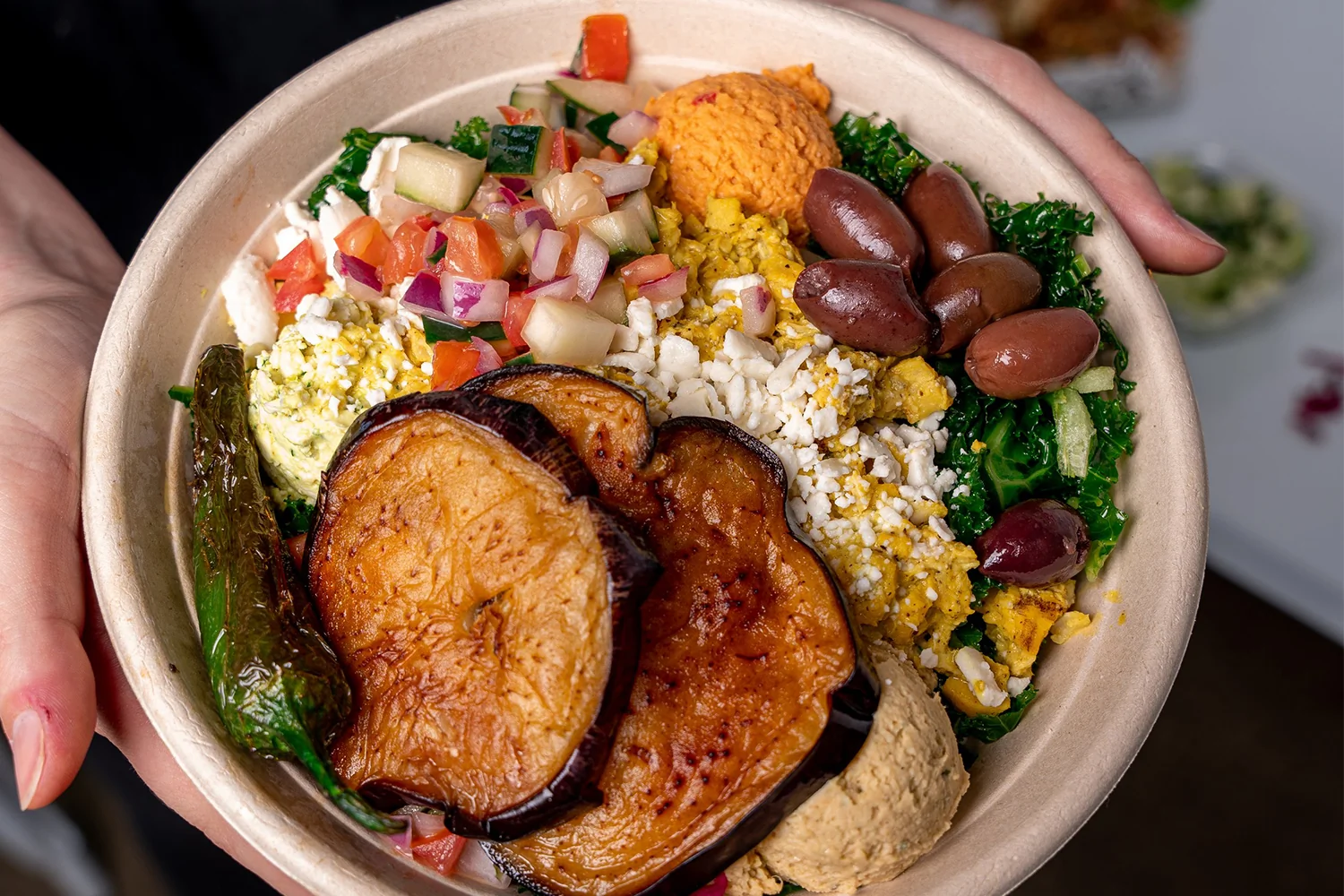
There is a version of franchise ownership that feels like wearing a costume. You learn the script, memorize the portion sizes, smile at the training videos, and spend your days selling something you have never once cooked at home, never craved on a hard Tuesday, never carried the memory of. And then there is the other kind — the kind where Franchise Owner Authentic Connection to Menu is not a marketing angle, it is just your life. That is the version we are building at Hummus Republic Franchise.
The Difference Between Knowing a Menu and Knowing the Food
When you grew up eating hummus made fresh — not the shelf-stable stuff, the real kind your family made by feel — you carry a standard in your body that no training manual can install. You know when the tahini ratio is off. You know what a proper falafel should sound like when it hits the oil. You know the weight of a plate that was made with care versus one that was assembled by someone who learned the recipe last Tuesday.
That knowledge is not a small thing. It is an edge. And in the fast-casual space, where so many Mediterranean concepts are built by people who discovered the cuisine on a trip to Greece, that edge is real and it is widening. We have written about why Mediterranean food is one of the fastest-growing segments in American fast casual — but the growth only matters if the product is worth growing. Authenticity is the foundation, not the tagline.
Why a Franchise Owner Authentic Connection to Menu Outperforms a Hired Expert Every Time
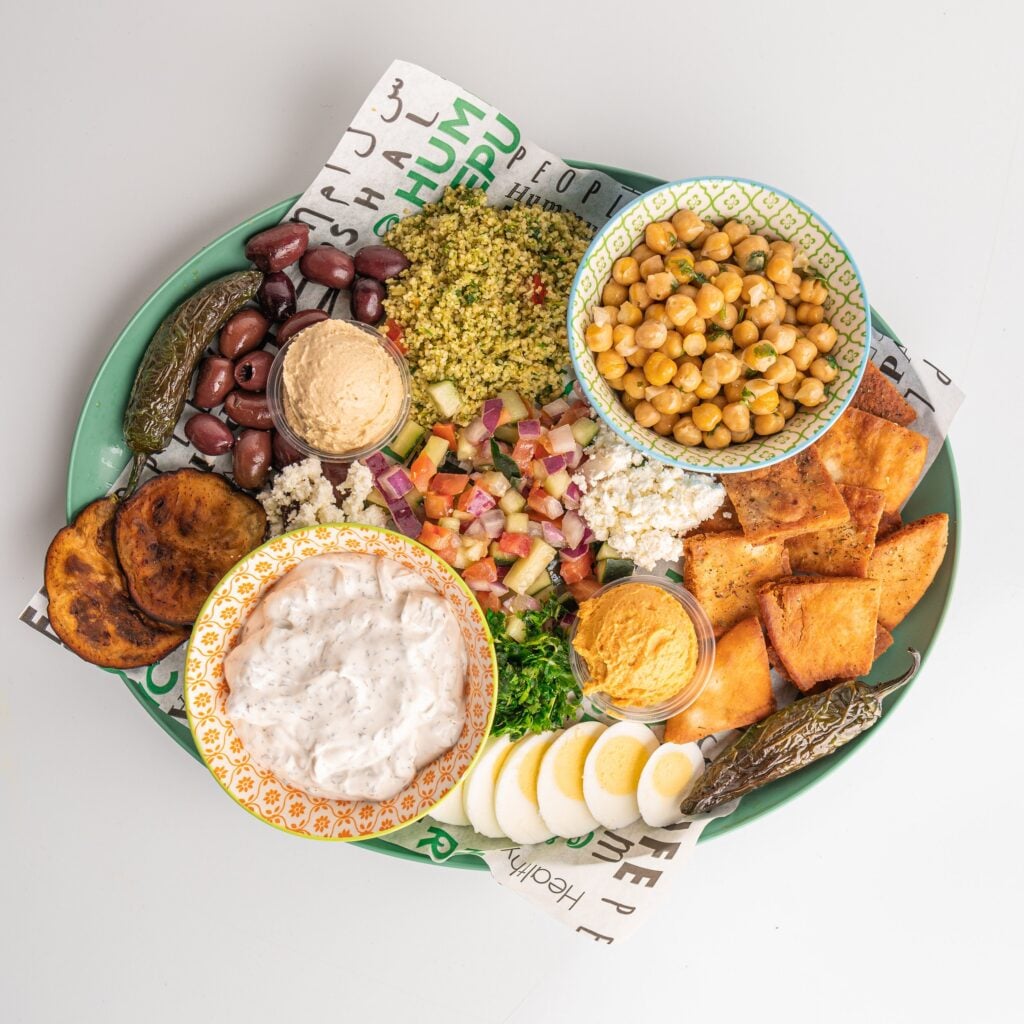
Think about what happens when a customer asks about the food. A franchisee who grew up eating it does not reach for a fact sheet. They tell a story. They say something like, “My grandmother made this every Friday — there was never enough left over.” That is not a sales technique. That is a human being talking about their life, and people feel it. Customers come back for that. They bring their families because of that.
“You are not buying into a generic system. You are building equity inside a culture you already belong to.”
There is also an operational advantage that rarely gets talked about. When you understand food at a cultural level, you catch problems earlier. You taste a batch and know something is missing before it reaches a guest. You train your staff differently because you are not just explaining steps — you are explaining meaning. And that care shows up in consistency, which shows up in reviews, which shows up in repeat business. We have explored this idea more deeply in our post on what it means when someone who looks like you owns the restaurant, and the short version is: representation in the kitchen and behind the counter is a business asset.
What This Actually Looks Like Day to Day
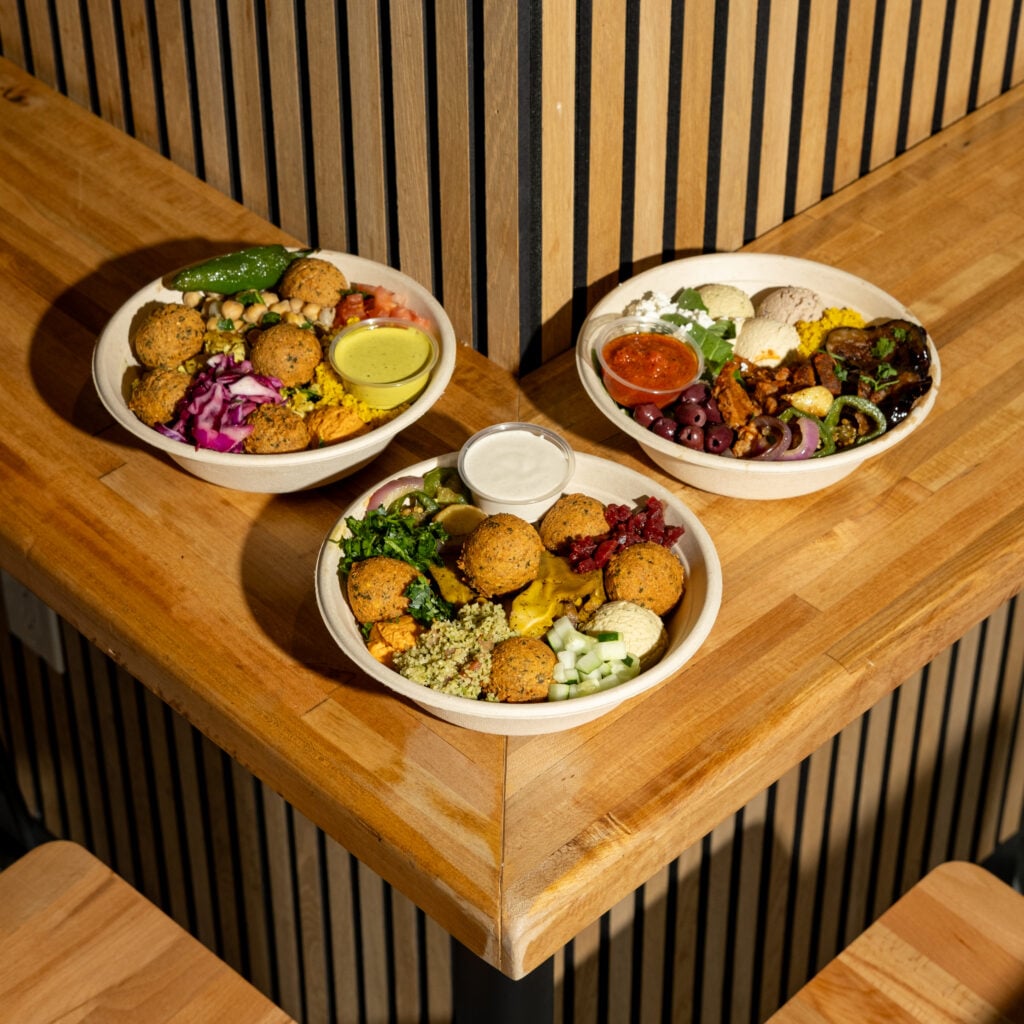
Owning a Hummus Republic Franchise franchise while having a genuine connection to the cuisine is not just an emotional win. It shapes daily operations in concrete ways.
- You spend less time convincing yourself the food is good — you already believe it, because you grew up eating it.
- Your team picks up on your confidence and carries it into their own interactions with guests.
- Quality control becomes intuitive. You are not checking against a manual — you are checking against memory.
- Community marketing comes naturally, because the people you are inviting in are the same people who have been eating this food at home for years.
- You can speak to the ingredients honestly, which matters in a market that is increasingly skeptical of “Mediterranean-inspired” concepts that have never been within a hundred miles of a real kitchen.
The research backs this up, too. The International Franchise Association has documented how brand storytelling and owner authenticity directly correlate with customer loyalty in the fast-casual segment. People trust the story when the person telling it clearly lived it.
A Quick Comparison: Generic Franchise vs. a Brand You Actually Believe In
| What You’re Evaluating | Generic Fast-Casual Franchise | Hummus Republic |
|---|---|---|
| Your connection to the food | Learned from a manual | Grew up eating it |
| How you describe the menu | Scripted talking points | Personal stories and real knowledge |
| Quality control instinct | Checklist-dependent | Sensory and culturally grounded |
| Community trust | Built slowly from scratch | Exists before you open the door |
| Pride when you tell people what you do | Optional | Automatic |
If you are the kind of person who has watched family members or friends put their savings into a franchise that looked fine on paper and fell apart in practice, you already know that passion alone does not save a bad model. That is why we think hard about both sides — the soul of the business and the structure underneath it. Our breakdown of what it actually costs to open a fast-casual restaurant is a good place to start if you are running numbers, and our piece on why owning a neighborhood food business is one of the most reliable paths to generational wealth puts the bigger picture in context.
The food you grew up eating deserves a business model as solid as the recipes behind it. When both are in place, the pride you feel on day one does not fade — it compounds. Get in touch and let’s talk about what building something real actually looks like.
Some content on this site is AI-assisted and may not reflect exact current details — please verify with Hummus Republic Franchise at . Learn more.