Let’s be honest. If you’ve been researching franchise ownership — running the numbers at midnight, weighing every worst-case scenario — you’ve probably stumbled across some alarming rhetoric about food businesses failing left and right. Some of it is true. A lot of it isn’t. And the gap between myth and reality is exactly where smart decisions either get made or lost. The Food Franchise Success Rate Statistics are more nuanced than the headlines suggest, and if you’re serious about building something real, you deserve the actual picture.
Myth 1: Most Food Franchises Fail Within Five Years
This one circulates constantly and almost always gets the numbers wrong. Independent restaurants do close at high rates — but franchises operate inside a proven system. According to the International Franchise Association, franchised businesses consistently show stronger five-year survival rates than independent startups precisely because the model, the training, and the operational support already exist. You’re not reinventing the wheel. You’re driving a car someone already built and tested.
Myth 2: You Need Restaurant Experience to Succeed
This fear runs deep — especially if you’ve spent your career in engineering, healthcare, or finance. But here’s what experienced franchisors already know: operators who follow a system outperform operators who freelance off instinct. The training is designed precisely for people who have never run a kitchen. What you actually need to know about licensing and operations is learnable — and a good franchisor walks you through all of it before you unlock the door on day one.
Myth 3: Fast Casual Is Already Oversaturated

People said this about coffee shops in 2005. The fast-casual segment — particularly Mediterranean and plant-forward concepts — is still expanding into markets that have barely been touched. Right here in Miami, FL, neighborhoods from Wynwood to Doral to the stretch along Brickell Avenue are full of lunch crowds spending daily on food that has real ingredients and a story behind it. The urban markets where Mediterranean fast casual is still wide open include cities just like this one — and the window doesn’t stay open indefinitely.
The question isn’t whether fast casual is a good investment. The question is whether this concept, in this market, with this support structure — is the right fit for you.
Myth 4: The Franchisor Disappears Once You Sign
This is the one that keeps people up at night — and fairly so. There are franchisors who treat the disclosure document as the finish line. That’s a real red flag worth knowing. But it’s also not universal, and learning to tell the difference before you commit is entirely possible. Look for transparent answers on training timelines, ongoing operational support, and what actually happens when something goes sideways at the unit level. Red flags to watch for when comparing food franchise opportunities is worth reading before any discovery call.
- Ask how many franchisees the support team is responsible for per person
- Request a direct conversation with an existing franchisee — not a referral provided by corporate
- Ask what happened the last time a franchisee had an operational crisis
- Look at how long the average franchisee stays in the system
Myth 5: You Need $500K or More to Get Into a Legitimate Franchise
Legacy burger chains and sit-down concepts with massive buildouts do require that kind of capital. But the landscape has changed. Streamlined fast-casual models — especially those with centralized supply chains and smaller footprints — have brought entry costs down significantly. What the numbers actually show about franchise startup costs might reframe what you thought was out of reach.
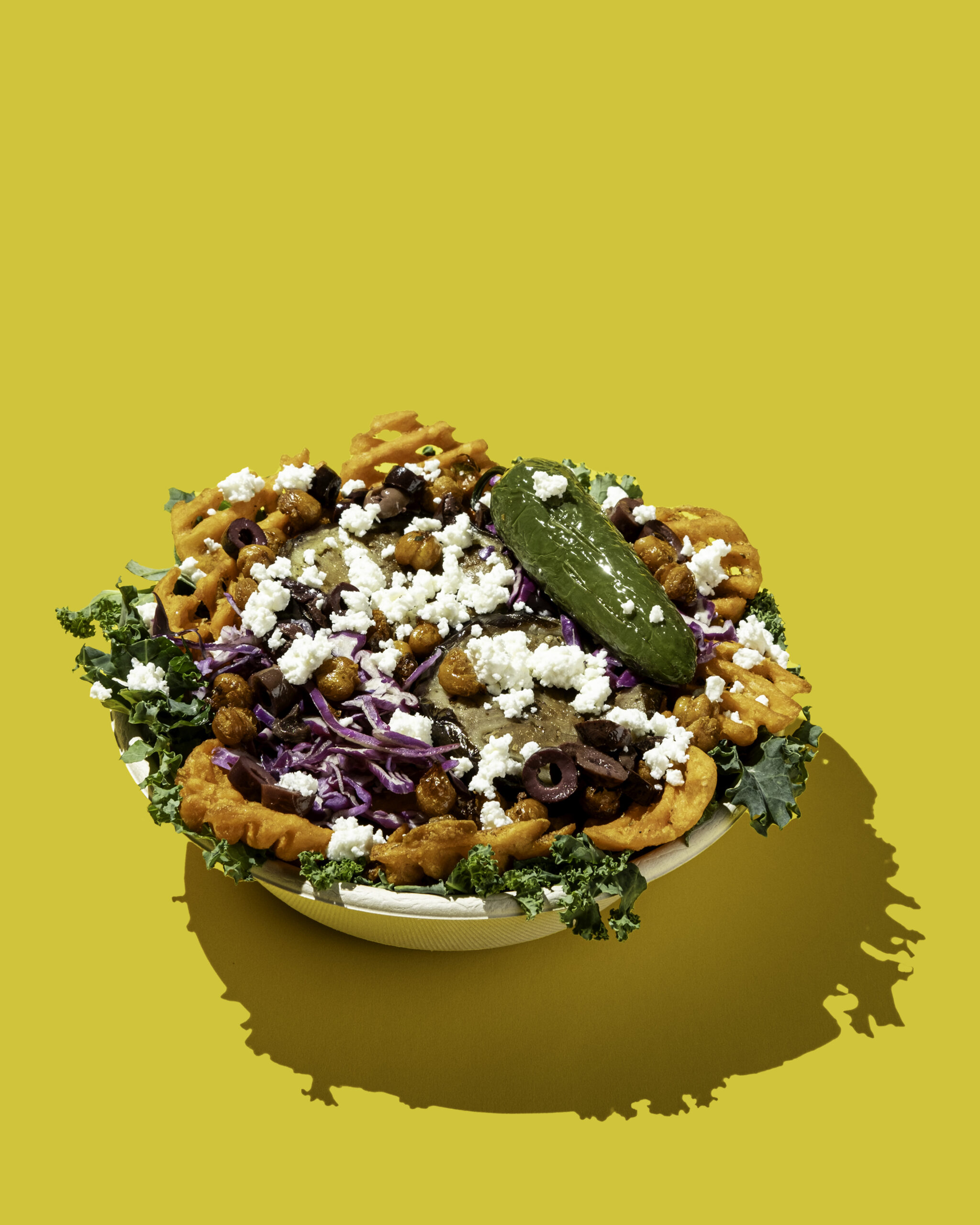
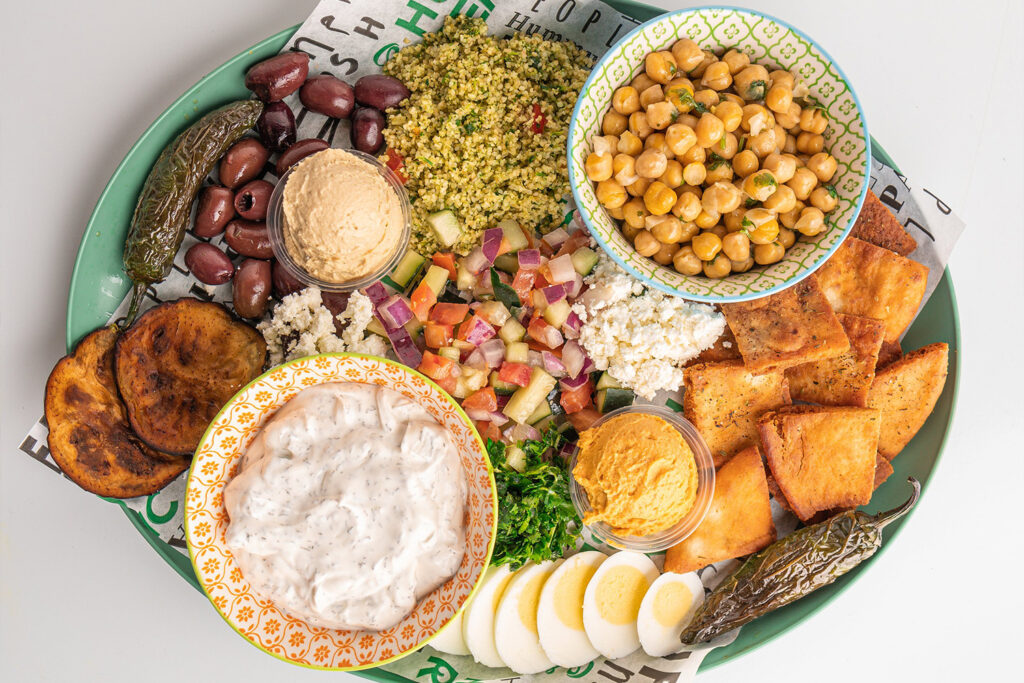
At Hummus Republic Franchise, we’re built around food that doesn’t need to be explained to half the country because half the country already loves it. Hummus. Falafel. Shawarma. The kind of food that feels like home — served at a price point that brings in lunch regulars, catering orders, and takeout revenue without requiring a full-service kitchen crew to pull it off. We think the profitability case for Mediterranean fast casual deserves a serious look from anyone who’s been doing the research.
You’ve watched others make the leap. Some stumbled because they picked the wrong system, the wrong concept, or the wrong moment. But the risk of a franchise is not what most people think it is — and understanding that difference is exactly the kind of clarity that separates people who stay on the fence from people who build something worth handing down. If you’re ready to ask the hard questions and get real answers, reach out through our contact form and let’s have an honest conversation.
Some content on this site is AI-assisted and may not reflect exact current details — please verify with Hummus Republic Franchise at . Learn more.