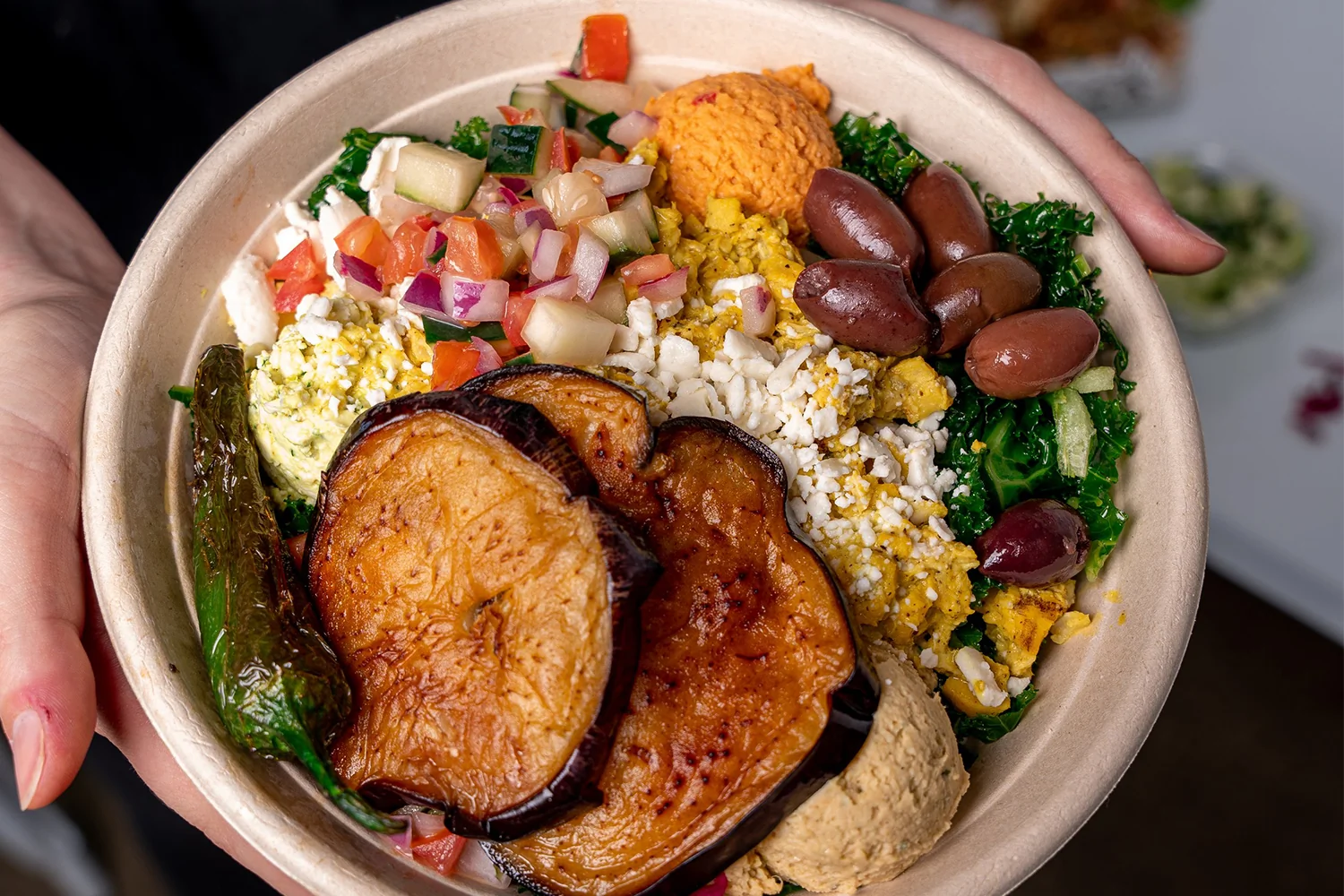
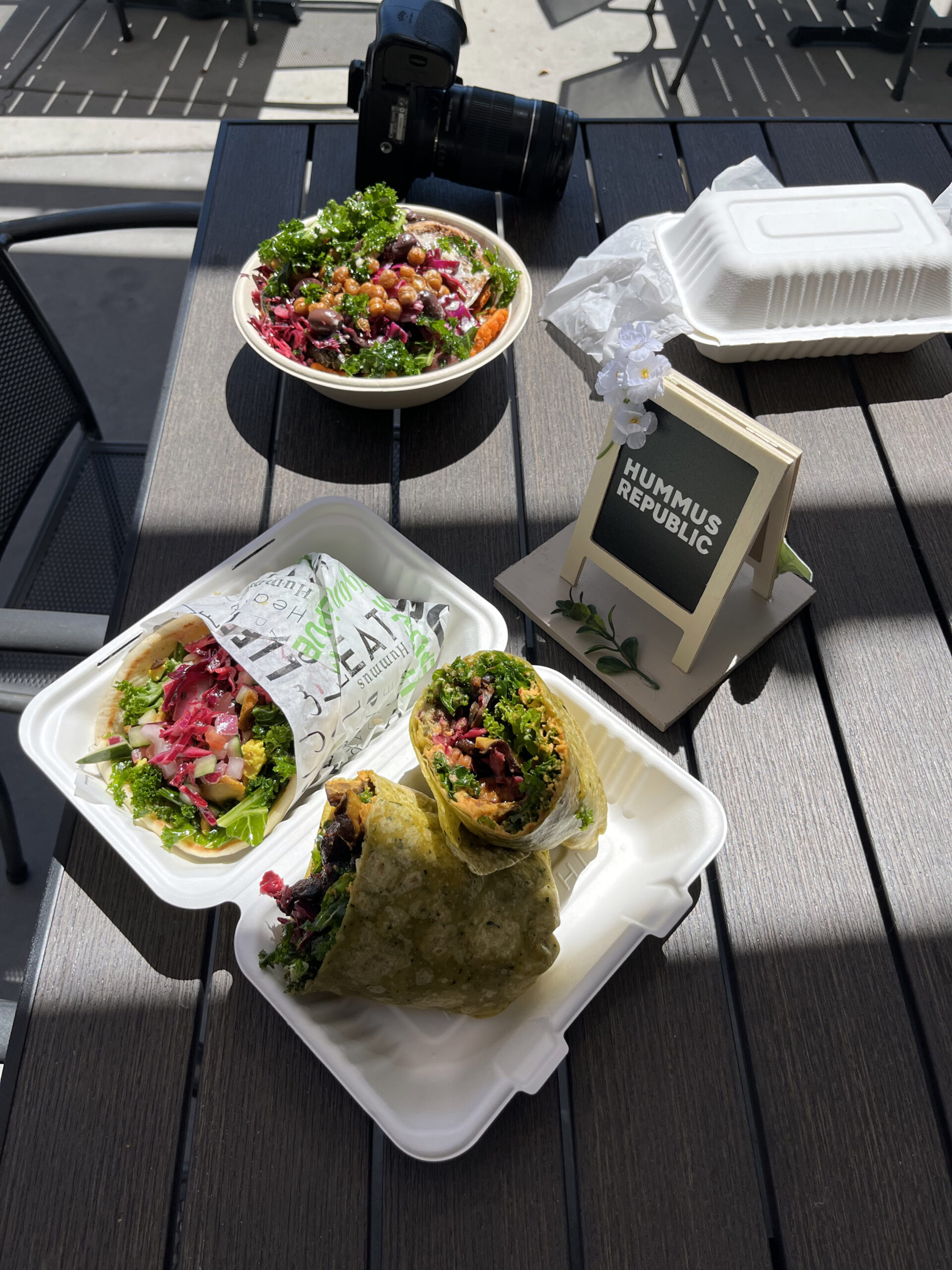
There’s a specific feeling you get walking into a restaurant and realizing — almost before you’ve read the menu — that whoever built this place gets it. The flavors aren’t approximated. The spices aren’t toned down for a crowd that doesn’t know better. The whole thing feels like someone’s mother had a say. That feeling is what Immigrant Owned Restaurant Franchise can mean when it’s done right: not just a business category, but a statement of belonging. And we built Hummus Republic Franchise because we believed that statement deserved a real business model behind it.
Why Representation in the Food Business Actually Matters
Cultural representation in food business isn’t a talking point — it’s a commercial reality. When the owner of a restaurant genuinely understands the food, the sourcing choices are different. The seasoning isn’t a guess. The pita is actually fresh. Customers from communities that have spent years watching their cuisine get watered down for mass appeal notice immediately, and they come back. Regularly. With family.
That loyalty isn’t just emotional — it’s financial. owning a neighborhood food business is one of the most reliable paths to generational wealth, and the reason is straightforward: community-rooted businesses earn repeat customers, word-of-mouth referrals, and a kind of trust that no marketing budget can manufacture. You either have it or you don’t. Owners who share a cultural identity with their customer base tend to have it naturally.
What a Minority Owned Franchise Actually Looks Like From the Inside
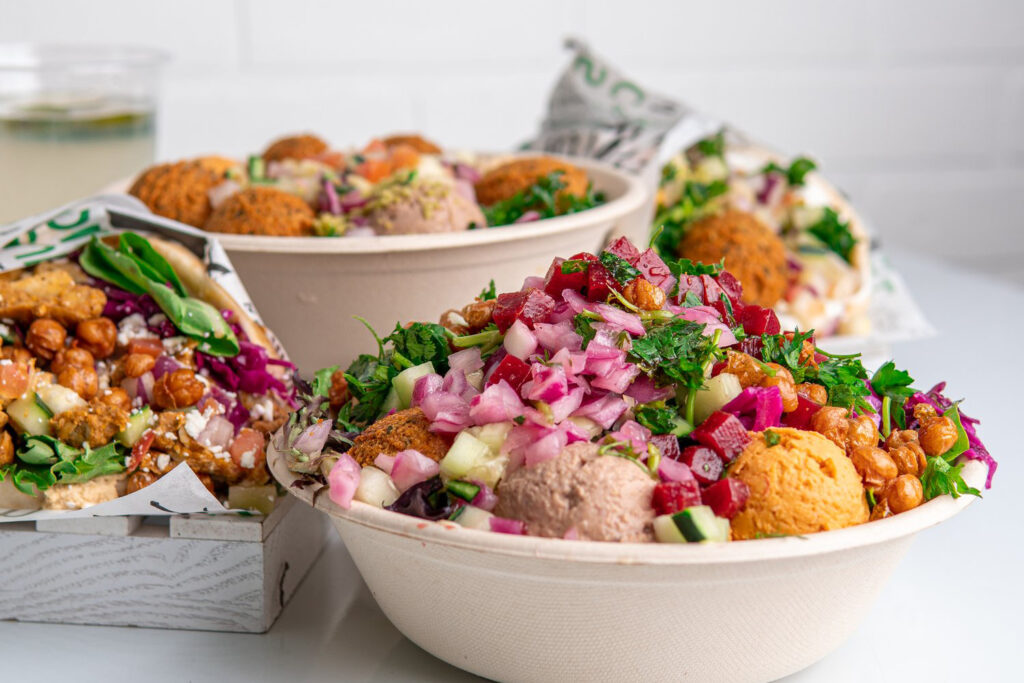
A lot of people have watched a family friend sink savings into a franchise that looked great in the brochure and felt like abandonment six months after opening. Bad support. Disappearing reps. Generic systems that don’t account for a location’s actual customer base. That story is real, and we’re not going to pretend otherwise.
Here’s what we’ve built differently at Hummus Republic Franchise:
- Streamlined operations — designed so that someone without a formal restaurant background can run a tight, profitable location without drowning in complexity.
- Lower startup costs than most legacy food franchises — so the number you’re calculating at midnight is actually achievable. (We break it down honestly in our guide on what it really costs to open a fast casual restaurant.)
- Real support that doesn’t vanish — we pick up the phone when the fryer breaks on a Saturday. That’s not a slogan; it’s a standard we hold ourselves to.
- A brand story you can own authentically — not a logo you licensed, but a concept rooted in food that’s actually yours to claim.
- Halal, fresh, real ingredients — because a community owned Mediterranean restaurant built on shortcuts isn’t worth building.
You are not buying into a generic system. You are building equity inside a culture you already belong to.
How Immigrant Owned Restaurant Franchise Compares to Legacy Franchise Options
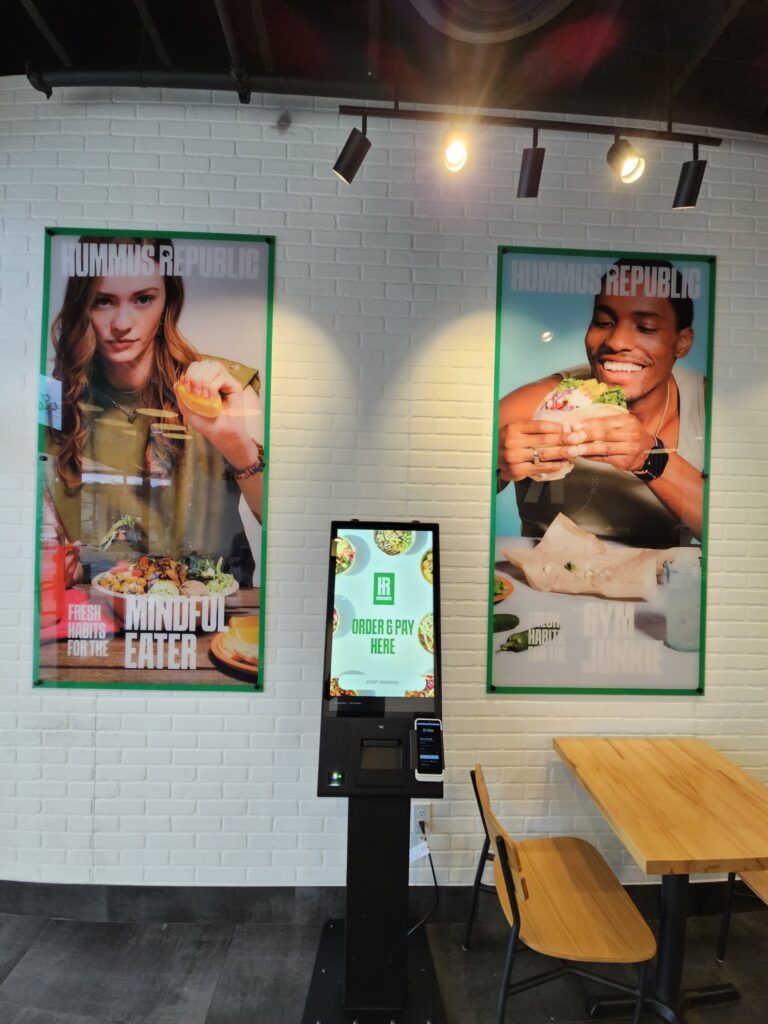
If you’ve been researching this seriously — and we know you have — you’ve probably run the numbers on a few other franchise models. Here’s an honest side-by-side of what that comparison tends to look like:
| Factor | Legacy Food Franchise | Hummus Republic Franchise |
|---|---|---|
| Startup cost | $400K–$1M+ | Significantly lower barrier to entry |
| Prior restaurant experience required | Often expected or strongly preferred | Not required — we train you |
| Cultural alignment with your customers | Minimal to none | Built in from day one |
| Menu authenticity | Corporate-standardized approximations | Real Mediterranean flavors, halal options |
| Ongoing franchisor support | Varies widely; often drops off post-launch | Consistent, accessible, operational |
| Brand story you can personally claim | No | Yes |
Mediterranean food isn’t a trend that’s about to reverse. We’ve written in detail about why Mediterranean food is one of the fastest-growing segments in American fast casual — the consumer demand is structural, driven by health-conscious eating patterns that aren’t going away. The question isn’t whether this category grows. The question is whether you’re on the ownership side of that growth or the customer side.
Building Something Your Kids Can See — and Eventually Inherit
This part matters more than any financial projection. There’s a version of entrepreneurship that pays bills, and there’s a version that builds identity. When your kids walk into a location you own — when they watch you negotiate with a supplier, train a team, or read a strong month-end report — something shifts in how they understand what’s possible for them. That’s not a side benefit. That’s the whole point.
We think about this when we talk about food franchise cultural identity — it’s not just about what’s on the menu. It’s about what the act of ownership communicates to the people watching you. Your parents. Your kids. Your community. Building something your children can actually inherit starts with choosing the right vehicle — one that’s structurally sound and genuinely yours to stand behind.
The U.S. Small Business Administration’s startup cost guidance is worth reading before you commit to any franchise — it helps you stress-test the numbers you’re being given and ask the right questions in a discovery call. We’d rather you come in informed than sign anything you’re uncertain about.
If you’re ready to have a real conversation — one where the hard financial questions actually get answered — reach out to us directly. No pressure. No deflection.
Some content on this site is AI-assisted and may not reflect exact current details — please verify with Hummus Republic Franchise at (818) -. Learn more.