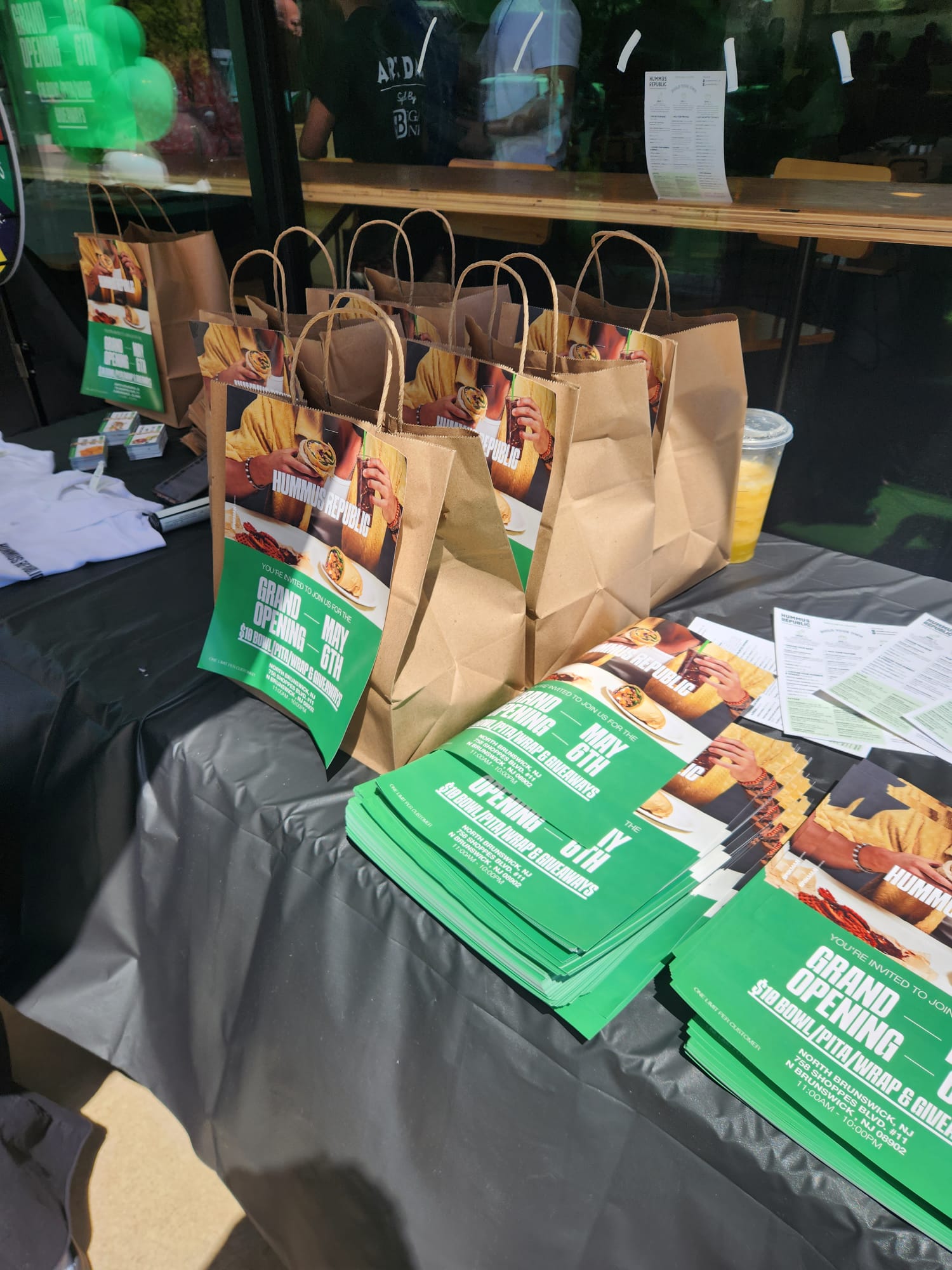
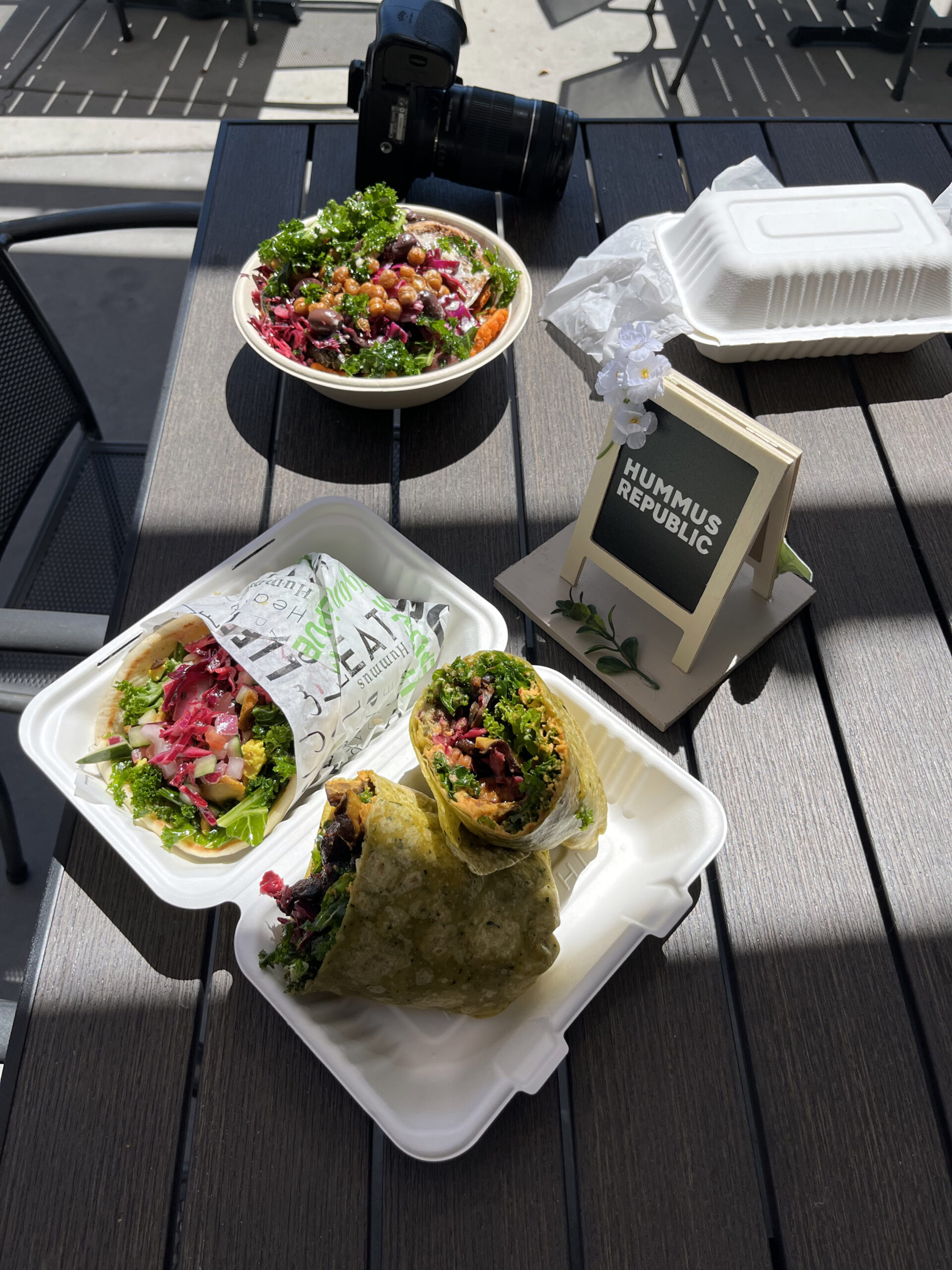
There’s a shift happening in American dining that doesn’t feel like a trend — it feels like a correction. The Mediterranean Food Market Growth has been accelerating for years, and at this point the numbers aren’t subtle. Consumers across the country are moving away from greasy drive-throughs and toward food that’s fresh, protein-rich, and built around real ingredients. Mediterranean cuisine sits right at the center of that move. And we built Hummus Republic specifically to meet that moment.
The Numbers Behind the Consumer Shift
The fast casual restaurant industry has outpaced traditional fast food growth for over a decade, and Mediterranean concepts have been among the loudest winners inside that broader category. The consumer shift from fast food to fast casual isn’t just about price point — it’s about trust. People want to see real ingredients, understand what they’re eating, and feel like the brand they’re giving money to actually stands for something.
Mediterranean food fits that brief almost perfectly. Hummus, falafel, shawarma, tabbouleh — these aren’t fusion experiments cooked up in a corporate test kitchen. They’re ancient, proven dishes that millions of families in this country grew up eating around real tables. That authenticity is what’s driving consumer demand for Mediterranean cuisine to levels the industry hasn’t seen before.
| Category | Traditional Fast Food | Mediterranean Fast Casual |
|---|---|---|
| Average check size | $8–$10 | $12–$16 |
| Repeat visit frequency | Moderate | High (lunch-driven loyalty) |
| Health perception | Low | Very high |
| Brand trust (Gen Z + Millennials) | Declining | Growing |
| Cultural resonance | Generic | Deep and specific |
Why Growing Fast Casual Food Brands Are Betting on the Mediterranean
Walk through any major American city — Chicago, Houston, Los Angeles, New York, Dallas — and you’ll find Mediterranean options filling lunch crowds that used to belong to burger chains. This isn’t coincidence. The cuisine naturally checks every box today’s consumer is scoring on: high protein, halal-friendly, vegetarian-adaptable, visually shareable, and actually satisfying. Growing fast casual food brands that have leaned into Mediterranean menus have seen customer loyalty metrics that legacy chains spend millions trying to manufacture.
At Hummus Republic, we’ve watched this play out in our own locations. The regulars aren’t just buying lunch — they’re buying into something that feels familiar and trustworthy. That’s not a marketing strategy we invented. It’s a natural consequence of serving food that has a real story.
The brands winning in fast casual right now aren’t the ones with the biggest ad budgets. They’re the ones whose food means something — to the people making it and to the people eating it.
Mediterranean Food Market Growth: What the Opportunity Actually Looks Like on the Ground
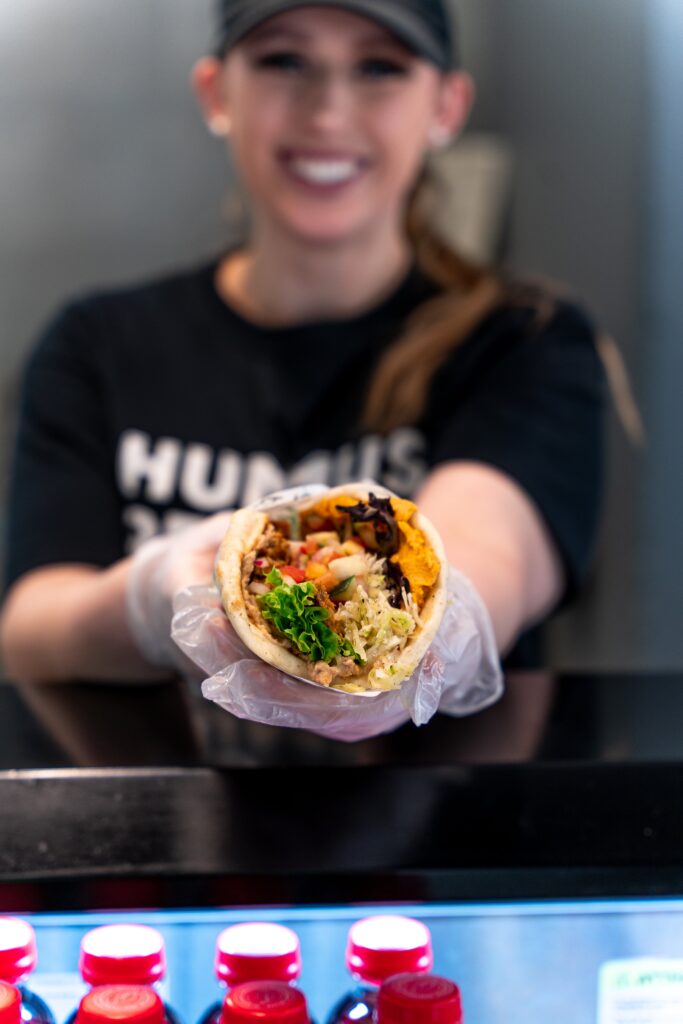
Here’s what separates a trend from a real business opportunity: depth. Mediterranean cuisine isn’t riding one viral moment — it has deep cultural roots across communities that span the Middle East, North Africa, Southern Europe, and the Levant. These communities are spread across every major metro in the United States, and they represent built-in, repeat customer bases that authentically recognize and prefer the food. That’s a structural advantage most franchise categories can’t claim.
- Mediterranean ingredients have strong supplier infrastructure in the US, keeping food costs manageable
- The cuisine adapts naturally to fast casual service formats without losing quality
- Halal certification opens the door to a broad and underserved customer base
- Low labor complexity compared to full-service Mediterranean restaurants
- Strong lunch and catering revenue streams in most markets
If you’ve been researching franchise options, you already know that most legacy brands ask for significant capital, years of restaurant experience, and a willingness to operate inside a system that has nothing to do with your background or your community. Our story at Hummus Republic was built on a different premise: lower the barriers, preserve the authenticity, and give owners a business they can genuinely stand behind.
What Makes This the Right Moment to Move
Markets don’t stay open forever. The communities that recognize this cuisine, the real estate windows that still offer fair lease terms, the consumer appetite that’s currently peaking — these are time-sensitive factors. We’ve seen what happens in cities where one well-run Mediterranean concept captures the loyalty of a neighborhood early. That first-mover position compounds. The second location is always easier to fill than the first, because the brand has already done its proof of concept in front of the people who matter most.
If you’ve been reading through our Hummus Republic franchise details and running numbers on what it would actually take to get started, this is the part where those calculations start to feel less abstract. The investment required to open a Hummus Republic is designed to sit meaningfully below what legacy food franchises typically demand — because we believe the barrier to entry should reflect ambition, not limit it.
And if you’ve been watching someone else in your community build something real and thinking I could do that — you’re probably right. The people thriving inside our system didn’t all come from restaurant backgrounds. They came from a genuine connection to the food, a drive to build something that lasts, and a willingness to follow a system that was designed with their success as the actual goal.
The Mediterranean Food Market Growth isn’t slowing down. If anything, it’s entering its most competitive phase — which means the window to plant your flag on the right side of this shift is now, not later. We’d love to have a real conversation about what that could look like for you.
Some content on this site is AI-assisted and may not reflect exact current details — please verify with Hummus Republic Franchise at (818) -. Learn more.