
Let’s be honest about where this question comes from. You’ve been doing the research — late nights, spreadsheets open, franchise disclosure documents printed and highlighted. You know what the big fast food names charge. And somewhere between the $500K minimum liquid capital requirement and the five-year royalty lock-in, you started wondering whether this dream was built for someone else. Picture this: a path where the numbers actually make sense, where the food is food you already know, and where building equity doesn’t mean surrendering everything you saved. That’s exactly what a Franchise with Low Barrier to Ownership makes possible — and the data is clearer than most people realize in New York, NY.
What Legacy Franchises Actually Cost vs. What They Tell You
Major fast food chains talk about “investment ranges,” but the real all-in number — buildout, equipment, working capital, training fees, the franchise fee itself — routinely lands between $350K and $1.2M. That’s before you’ve sold a single sandwich. The FTC’s Franchise Rule requires franchisors to disclose this in their FDD (Franchise Disclosure Document), so the information is there if you know where to look — and if you know what line items to add together.
The picture changes significantly when you look at emerging fast casual concepts in the Mediterranean space. Startup costs can land meaningfully under $200K for the right model — sometimes well under $100K depending on location format, existing buildout conditions, and financing. It’s not a compromise; it’s about choosing a category designed lean from the start. For an honest, line-by-line look, our breakdown of what it really costs to open a fast casual restaurant lays it out straight.
Why a Franchise with Low Barrier to Ownership Hits Different When the Food Is Already Yours
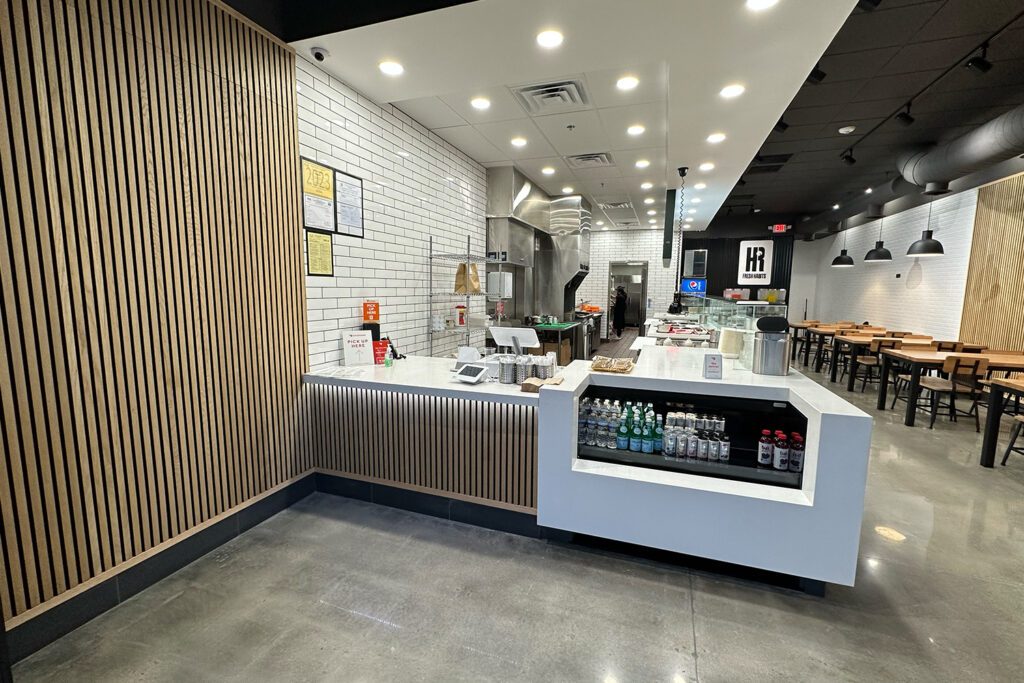
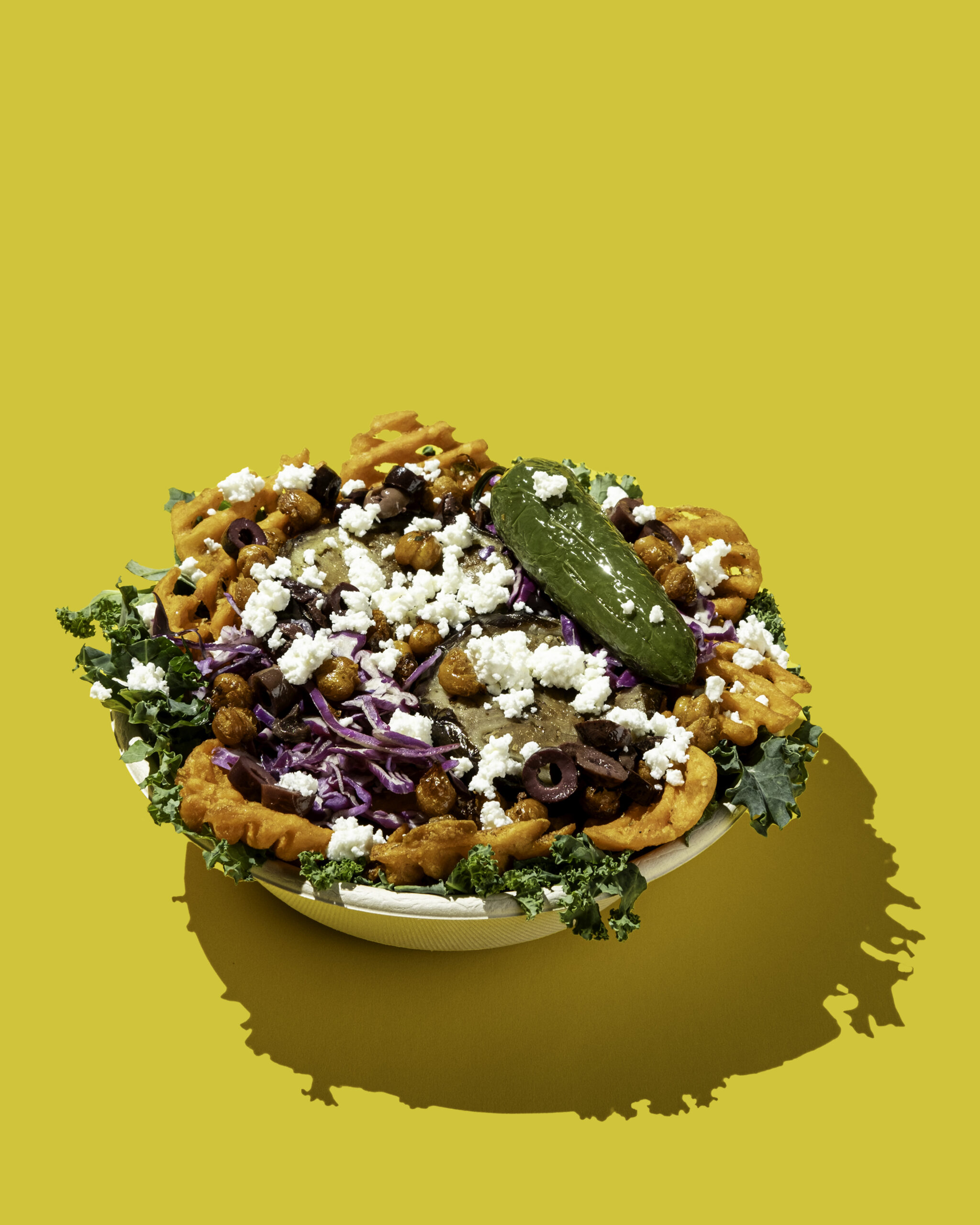
Imagine walking into your own location in New York, NY — maybe near Jackson Heights in Queens, or along Atlantic Avenue in Brooklyn where Mediterranean grocery stores have held ground for thirty years — and the food on the line is hummus, falafel, shawarma, tabbouleh. Not a corporate approximation. The real thing, made with a supply chain that’s already dialed in.
That’s the argument for Hummus Republic Franchise that no spreadsheet fully captures: you’re not learning a foreign food language. You already speak it. And that fluency — knowing when the hummus tastes right, knowing what a proper pita looks like — is an operational advantage most franchisees in other systems have to fake. get in touch and we’ll walk you through what that looks like from day one.
A low-cost franchise isn’t the same as a cheap one. The difference is in what the system delivers after you sign — not what it charges before.
If you’ve watched someone lose savings on a franchise that sounded good until the support disappeared, you already know this distinction matters more than the headline number. We’ve written specifically about why a low-cost franchise is not the same as a cheap one — because that line is where the real risk hides.
What to Actually Do Next
- Pull the FDD. Any legitimate franchisor will hand it over. Read Item 7 (estimated initial investment) and Item 19 (financial performance) before anything else.
- Run your real number. Use our guide on how to calculate ROI on a food franchise before you sign anything — don’t rely on projections the franchisor volunteers.
- Ask about post-opening support specifically. Not training. After training, after opening week, after the first slow Tuesday. Who answers?
- Know the red flags. High royalty stacked on low revenue projections, vague territory definitions, and unanswered calls during discovery are all worth a hard look. Our guide on red flags to watch for when comparing food franchise opportunities covers exactly what to look for.
Notice how none of those steps require restaurant experience. They require diligence — which you already have. And if the worry is that you’ll look inexperienced in an operations crisis, consider this: you don’t need restaurant experience to own a food franchise — you need the right system behind you.
The window in New York, NY is still open. Markets that look like opportunity today won’t look that way in three years. If you’re ready to stop calculating and start building, get in touch — let’s have the honest conversation about what your number actually is.
Some content on this site is AI-assisted and may not reflect exact current details — please verify with Hummus Republic Franchise at . Learn more.