If you have been quietly researching franchises for the last six months — comparing numbers, reading Reddit threads at midnight, asking a cousin who “knows business” — you already understand the stakes. This Franchise Evaluation Checklist for Veterans is not a feel-good overview. It is a structured way to pressure-test any opportunity before a dollar moves. Use it on every brand you are seriously considering, including us.
Start With the FDD — Before Any Conversation Gets Exciting
Every franchisor operating in the United States is legally required to provide a Franchise Disclosure Document before you sign. Knowing how to calculate ROI on a food franchise before you sign anything starts here. The FDD contains 23 items — but four of them carry the most weight for a first-time buyer:
- Item 19 — Financial Performance Representations: Not every franchisor includes this. If they don’t, ask why. Vague earnings claims are a red flag.
- Item 20 — Outlets and Franchisee Information: How many locations opened last year? How many closed? The ratio tells you more than any sales pitch.
- Item 21 — Financial Statements: Three years of audited financials. You want to see a franchisor that is solvent, not coasting on franchise fees.
- Item 7 — Estimated Initial Investment: This is where you understand what it really costs to open a fast-casual restaurant — total, not just the headline number.
Knowing how to read a franchise financial disclosure is not optional. It is the difference between a calculated bet and a blind one. The Federal Trade Commission’s Franchise Rule guidance is a reliable, plain-language resource if you want the legal backbone explained without a law degree.
How to Compare Food Franchise Investment Levels Honestly
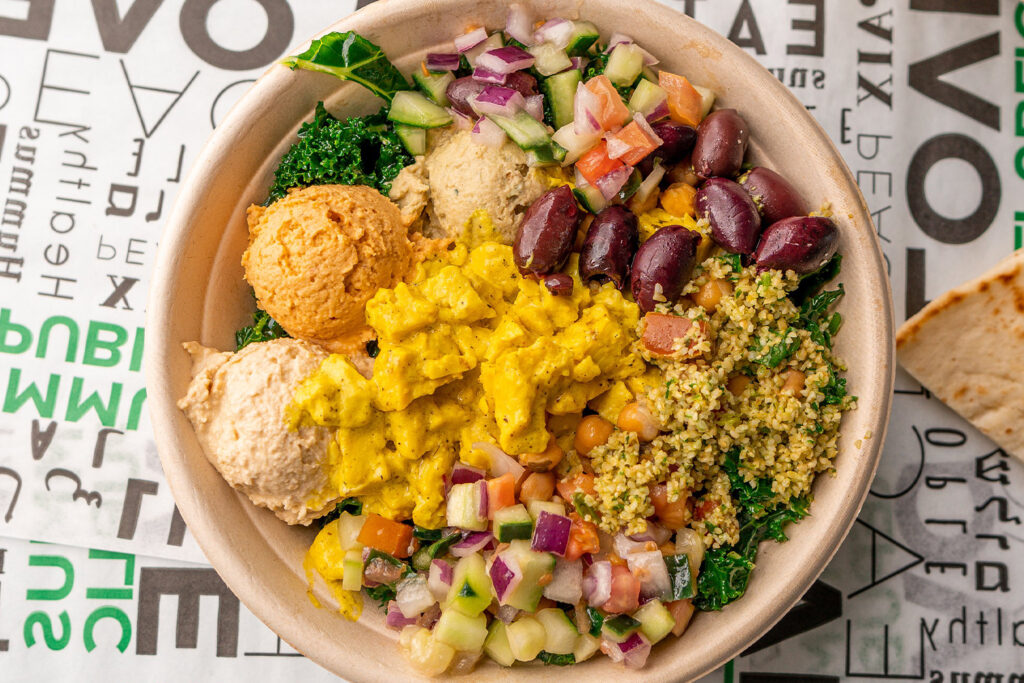
Legacy fast-food brands often require $500K–$2M in liquid capital before you even get to real estate. Fast-casual Mediterranean concepts tend to operate on a leaner model — lower buildout complexity, shorter menus, and streamlined kitchens. When you are comparing investment levels across options, look at these numbers side by side:
- Total initial investment range (Item 7)
- Royalty rate and marketing fee (Item 6)
- Minimum liquid capital required
- Average time to breakeven based on Item 19 data
A lower upfront cost only matters if the unit economics actually work. Cheap to enter and slow to profit is still a bad deal.
This is why a low-cost franchise is not the same as a cheap one. The question is not just “what does it cost to get in” — it is “what does the model actually return over three to five years.”
Due Diligence for Buying a Franchise: The Conversations That Matter Most
Once the numbers check out, talk to current franchisees — not the ones the franchisor selects for you. Find them through Item 20’s contact list and call them directly. Ask:
- What does support actually look like after opening day?
- Has the franchisor responded when something went wrong operationally?
- If you could go back, would you still sign?
Discovery Day is your chance to ask the hard questions face-to-face. We put together a full breakdown of the questions you should be asking a franchisor at Discovery Day — because most first-time buyers hold back and later wish they hadn’t.
Also check territorial protections. Encroachment — where a franchisor opens a competing location inside your trade area — is a real issue. Understand exactly what you own and what you don’t before you commit.
The Last Filter: Does the Brand Actually Mean Something to You?
This one does not show up in any FDD, but it matters every single day you operate. Food that has a story — real flavors, a clear cultural identity, a menu people recognize and trust — carries differently than a generic concept. When the food on the line is food you grew up eating, the work has a different quality to it. That authenticity shows to customers, and it compounds over time.
At Hummus Republic Franchise, we built the model around exactly that idea. Streamlined operations, lower startup costs than legacy chains, and a brand story that the owner can genuinely stand behind. If you are ready to run your own numbers and have a real conversation, get in touch with our team through the contact form — no pressure, just honest answers.
Some content on this site is AI-assisted and may not reflect exact current details — please verify with Hummus Republic Franchise at . Learn more.