
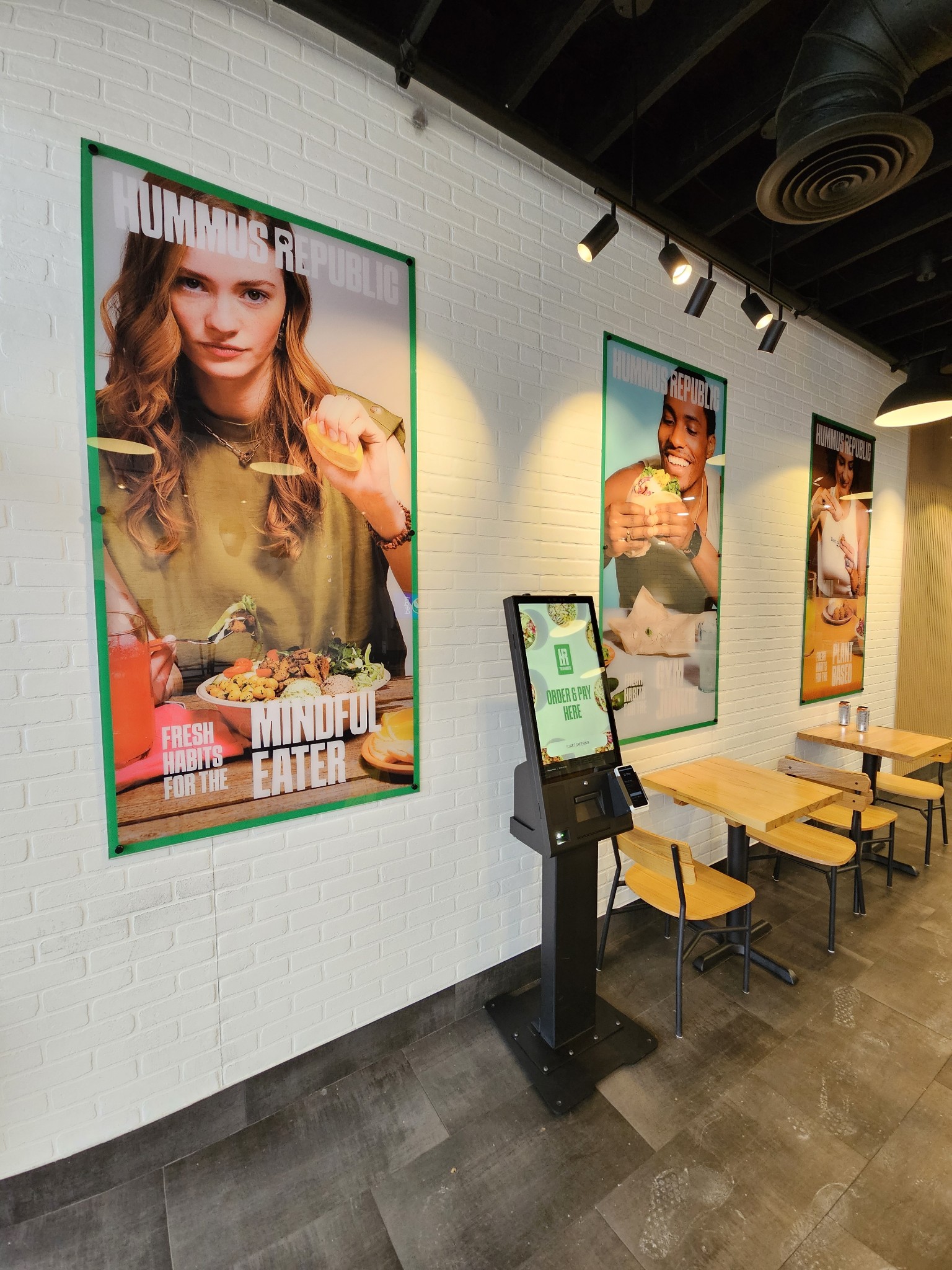
Let’s be honest about something. If you’re researching How Profitable Is a Mediterranean Fast Casual Restaurant, you’re not doing it out of idle curiosity. You’re doing the math — quietly, maybe late at night — because you want to know if this is real before you commit to anything. That’s smart. That’s exactly the right instinct. And the numbers, when you look at them clearly, tell a story worth paying attention to — especially in a market like Phoenix, AZ, where the appetite for fresh, bold, culturally authentic food is only growing.
What the Numbers Actually Look Like
Fast casual as a segment consistently outperforms full-service dining on margin efficiency. The reason is simple: lower labor overhead, faster table turns, and a streamlined kitchen. According to the National Restaurant Association, fast casual has led restaurant industry growth for over a decade — and Mediterranean fast casual sits at the high end of that curve because of its ingredient economics and consumer loyalty.
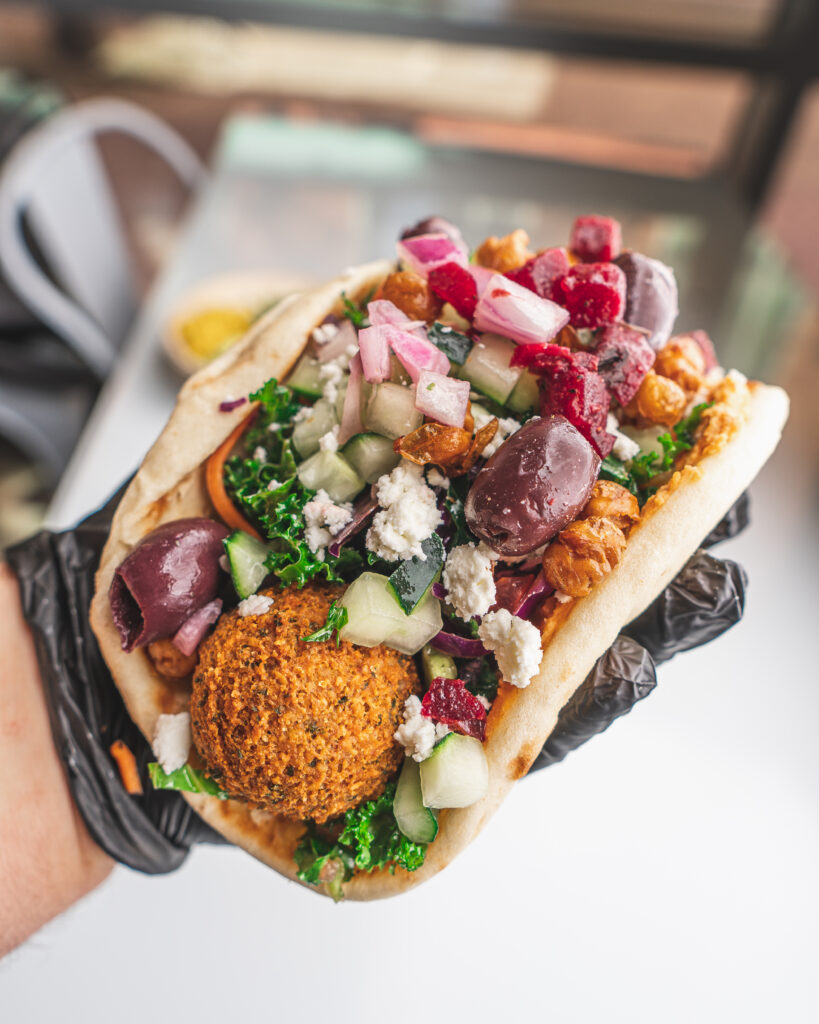
When evaluating mediterranean restaurant profit potential, two figures matter most: Average Unit Volume (AUV) and restaurant-level operating margin. AUV is the total annual revenue a single location generates. For context, fast casual brands generally target AUVs in the $800K–$1.4M range, with top performers pushing beyond that. What good unit economics actually look like in a fast casual franchise depends on how tightly the model controls food cost, labor, and occupancy — and Mediterranean cuisine has a structural advantage here. Hummus, falafel, grain bowls, and roasted proteins carry strong margins compared to protein-heavy American fast casual menus.
Why How Profitable Is a Mediterranean Fast Casual Restaurant Points to a Real Structural Advantage
Here’s where it gets interesting. The question of what is average unit volume in franchising isn’t just an abstract benchmark — it’s the number that tells you whether the model can realistically support your life. A location generating $1.1M annually at a 15–18% restaurant-level margin produces roughly $165K–$200K in operating profit before debt service and royalties. That’s a meaningful number for a first-generation business owner in Phoenix, AZ who has been working for someone else for a decade.
What makes Hummus Republic Franchise different is that the model is engineered to hit those numbers with less friction than legacy franchises. Lower startup costs mean you’re not servicing a $500K loan before you flip the sign to open. A centralized supply chain means your food cost doesn’t spike when a local supplier has a bad week. And a centralized supply chain that changes daily kitchen reality means the operator — you — can focus on the guest experience rather than chasing invoices.
“The best franchise investment isn’t the one with the most famous logo — it’s the one with the clearest path from your opening day to your break-even, and from break-even to actual wealth.”
Phoenix is one of the most compelling markets in the country for this concept. The Camelback Corridor, Arcadia, and the growing neighborhoods around South Mountain all have dense, food-literate customer bases who actively seek out fresh, plant-forward options. Why diverse, underserved markets are the smartest places to open a Mediterranean franchise right now explains exactly why cities like this one reward operators who get in early.
What to Look for in a Food Franchise With Clear Profitability Metrics
Not every franchise is transparent about its numbers. That’s a red flag, not a quirk. Before you sign anything, you should be able to access Item 19 of the Franchise Disclosure Document — the financial performance representation. It should show you real AUVs, cost ranges, and operating benchmarks from existing locations. If a franchisor deflects that conversation, walk away. Red flags to watch for when comparing food franchise opportunities walks through exactly what to demand and what evasion looks like.
- AUV targets — ask for real numbers from real open locations, not projections
- Food cost percentage — Mediterranean concepts typically run 28–34%; higher than that erodes margin fast
- Labor model — a streamlined menu means fewer skilled positions and less scheduling chaos
- Royalty and marketing fee structure — understand exactly what comes off the top before you model profit
- Break-even timeline — a well-run fast casual location should reach break-even within 12–18 months
If you want to build something your family can be proud of — something that reflects real food, real culture, and real financial ambition — then understanding the unit economics is just the first step. The next one is calculating ROI on a food franchise before you sign anything so you walk into every conversation with the numbers already in your head.
At Hummus Republic Franchise, we believe you deserve full transparency before you commit a dollar. Get in touch through our contact form and let’s walk through the real numbers together — no pressure, no deflection, just an honest conversation about what this can look like for you in Phoenix, AZ.
Some content on this site is AI-assisted and may not reflect exact current details — please verify with Hummus Republic Franchise at . Learn more.