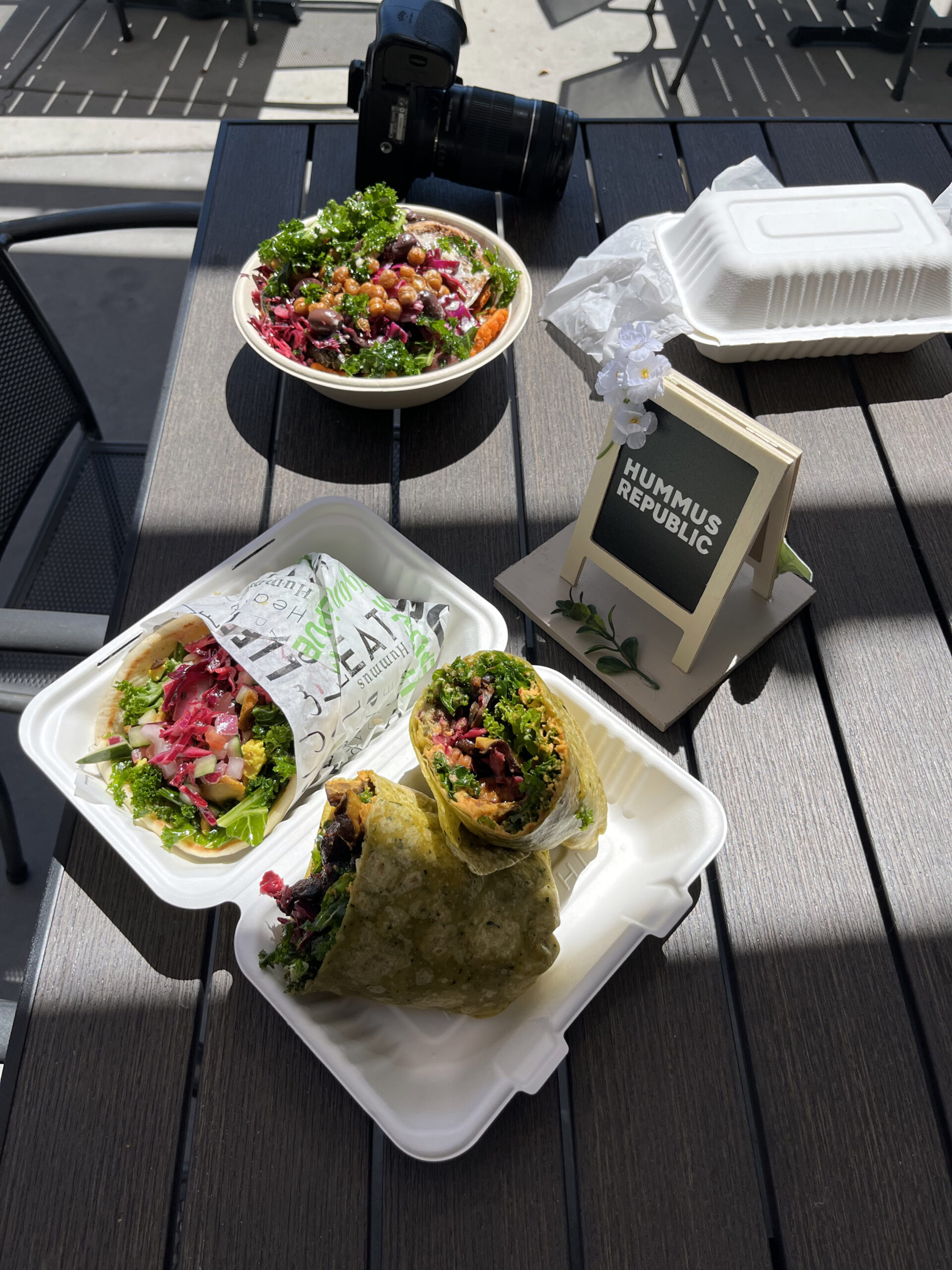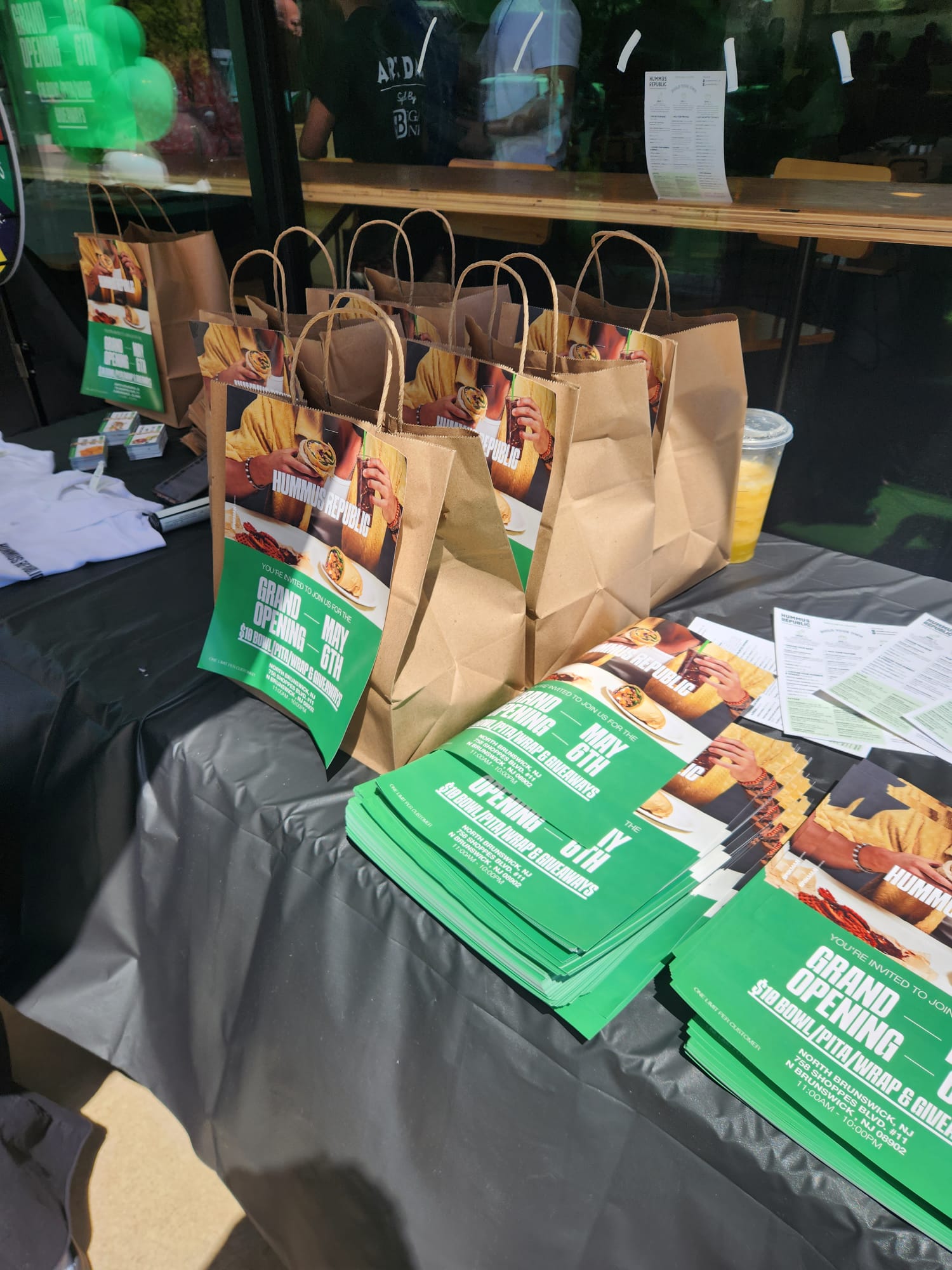
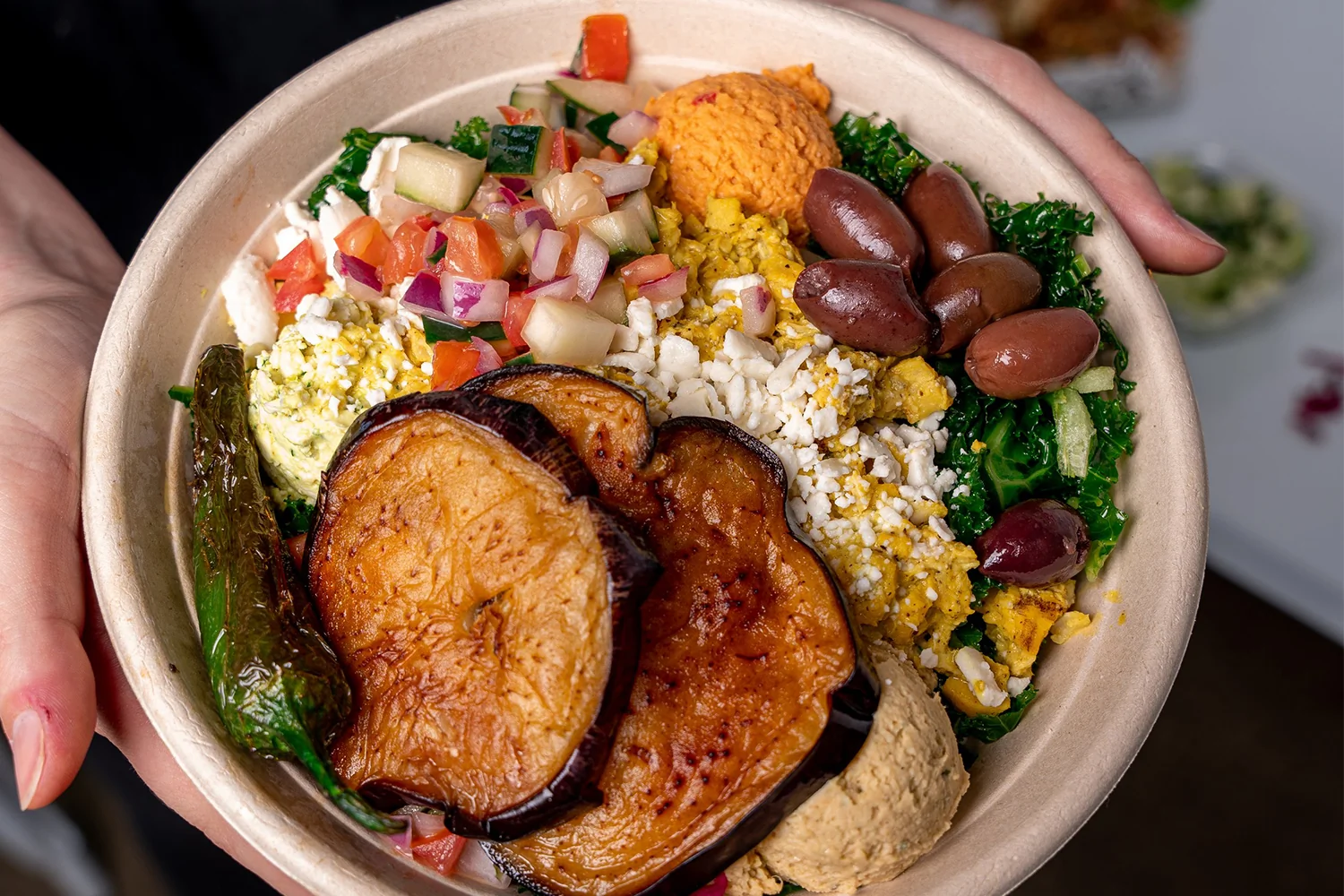
Picture this: you’re driving through a suburb outside Dallas, or a growing pocket of northern New Jersey, or a corridor just east of Dearborn, Michigan — and you notice the same thing every time. Strip malls full of chain restaurants. Long lunch lines. Families who eat out three times a week because life moves fast and home cooking doesn’t always keep up. These neighborhoods are not an afterthought. They are, quietly, one of the strongest arguments for why a Restaurant Franchise Suited for Suburban Markets can outperform urban flagship locations on almost every metric that actually matters to an owner. And if you’ve been doing your research — really doing it — you’ve probably already felt this. You just needed someone to say it plainly.
The Suburban Shift Nobody Is Talking About Loudly Enough
Urban locations get the press. High foot traffic, Instagram buzz, the energy of a city block at lunch rush. But here’s what the glossy franchise brochures skip over: urban rent is brutal, labor turnover is higher, and the competition is relentless. Suburbs have been running a different play. Remote work pushed families out of downtown cores. Housing growth in the Sun Belt, the Midwest, and the mid-Atlantic suburbs accelerated. And all those people still need to eat — fast, well, and affordably.
Notice how the conversation around high-traffic corridors and food courts has shifted — suburban versions of these spaces now rival downtown ones for volume, with significantly better lease economics. That spread matters when you’re building toward something real.
What Makes a Restaurant Franchise Suited for Suburban Markets Different Here

Imagine walking into your location on a Tuesday at noon. The line isn’t luck — it’s habit. Suburban customers are creatures of routine in the best possible way. They find a spot they trust, and they come back. They bring their kids. They recommend it to the neighbor who just moved in. That’s a food franchise with steady customer flow that you can actually build a business model around, not just hope for.
Mediterranean fast casual lands especially well in these markets for a few reasons:
- The food is genuinely appealing across dietary preferences — halal, vegetarian, high-protein, clean ingredients
- Price points feel fair to suburban families watching their budget without wanting to sacrifice quality
- The flavors are familiar to a wide customer base that has grown up eating hummus from the grocery store and wants the real version
- The menu focus keeps operations lean — read more about how a focused menu cuts waste and lowers cost without sacrificing the customer experience
“The suburbs don’t just tolerate authentic Mediterranean food — they’re hungry for it. The demand was already there. The right brand just had to show up.”
How to Pick a Franchise Location That Actually Works

Knowing how to pick a franchise location is less about gut feeling and more about reading a few key signals. Here’s what we look for when evaluating a suburban market:
- Daytime population density — office parks, medical campuses, schools, and retail corridors that generate predictable lunch traffic
- Evening family traffic — proximity to soccer fields, grocery anchors, or community centers means dinner business follows
- Underserved Mediterranean options — if the only shawarma in a 10-mile radius is a gas station wrap, you have pricing power and zero real competition
- Lease rates relative to urban comps — suburban triple-net leases often run 30–50% lower than comparable urban spaces, which directly changes your break-even timeline
Before you commit to anything, work through a proper evaluation. Our franchise evaluation checklist for first-time buyers walks through exactly what to verify before you sign a dollar away. The people who lose on franchises skip this step. You won’t.
Fast Casual Franchise with Growing Brand Awareness — and Why Timing Is Everything
Here’s the part worth sitting with. A fast casual franchise with growing brand awareness in an underbuilt suburban market is a timing play as much as a location play. You’re not buying into saturation — you’re getting ahead of it. According to the International Franchise Association, fast casual is one of the most resilient and fastest-growing segments in the food service industry, and suburban expansion is explicitly driving that growth.
Feel the difference between opening a franchise in a market where the brand is already everywhere versus a market where you’re the first one. The second scenario is harder to sell on paper — and more valuable once it works. Your location becomes the local name. Your regulars aren’t just customers; they’re the word-of-mouth engine that every marketing budget is trying to buy.
If you’re the kind of person who wants to build something your kids can point to — something that carries your name, your standards, your story — then a suburban market isn’t a consolation prize. It’s the real opportunity. And you don’t need a decade of restaurant experience to step into it. Read more about why you don’t need restaurant experience to own a food franchise.
We’ve built Hummus Republic Franchise specifically for owners who are serious, prepared, and ready to bet on something real. If that’s you, reach out through our contact page and let’s have an honest conversation about what your market looks like and what it would actually take to open there.
Some content on this site is AI-assisted and may not reflect exact current details — please verify with Hummus Republic Franchise at . Learn more.