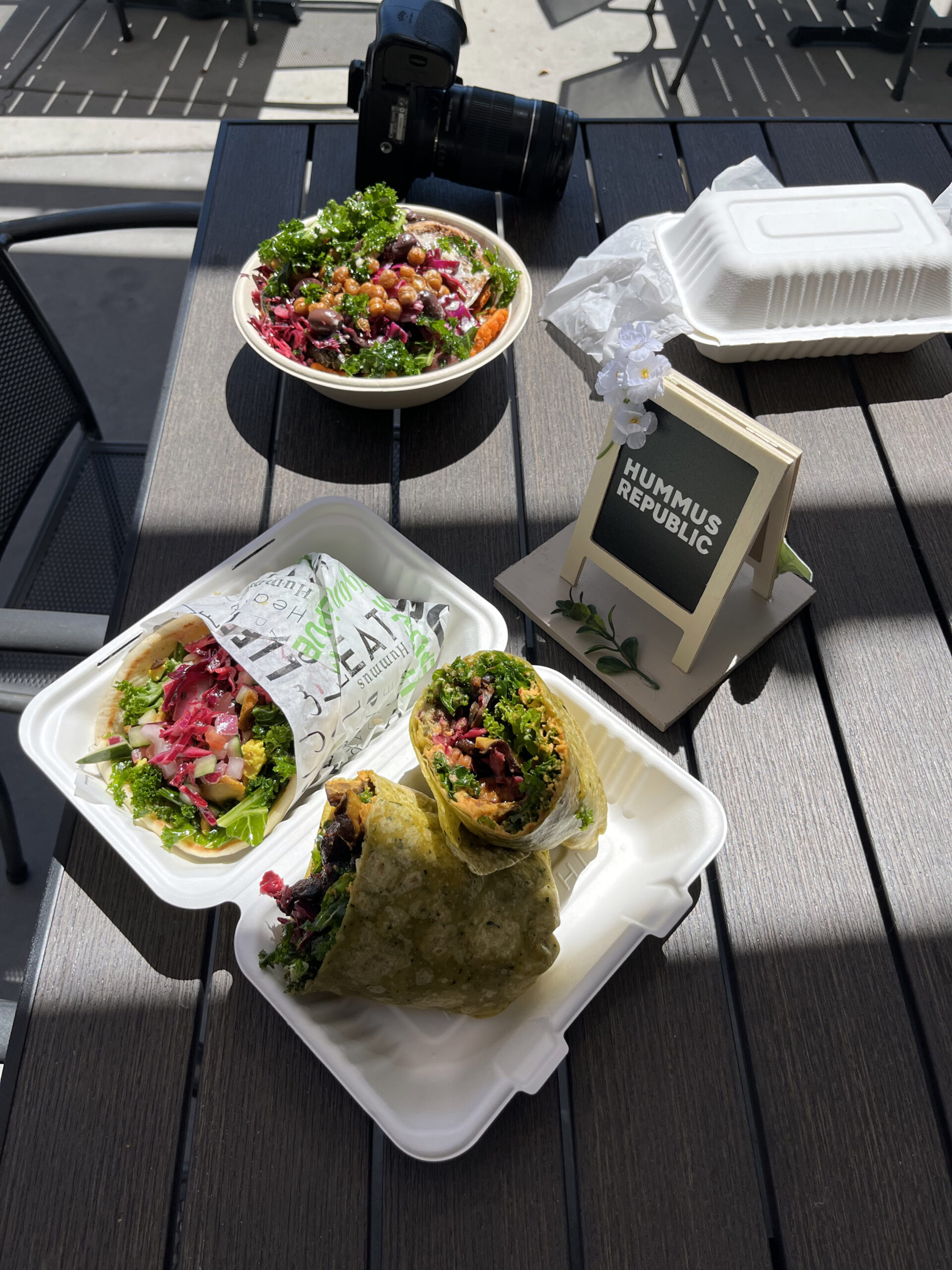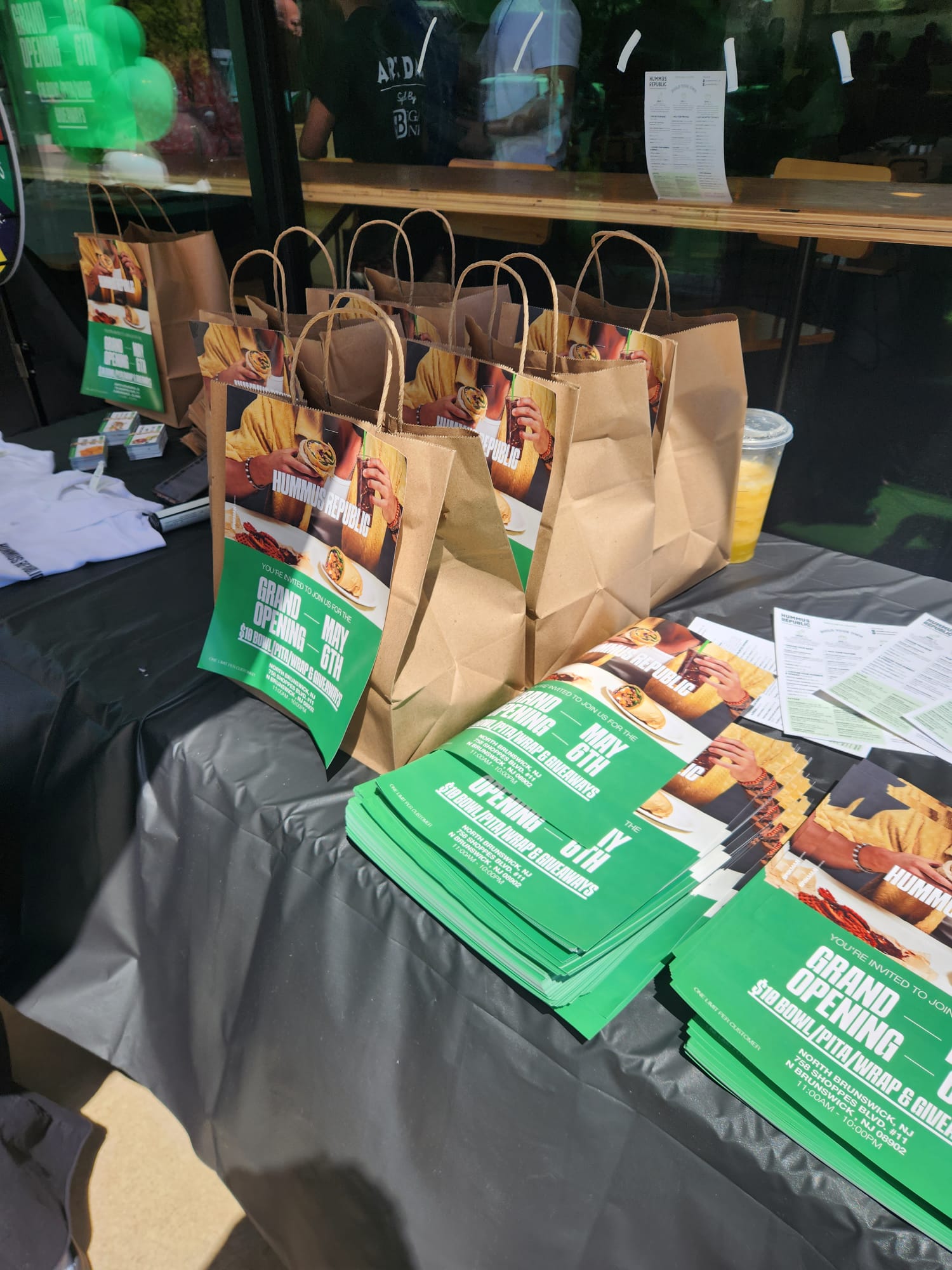
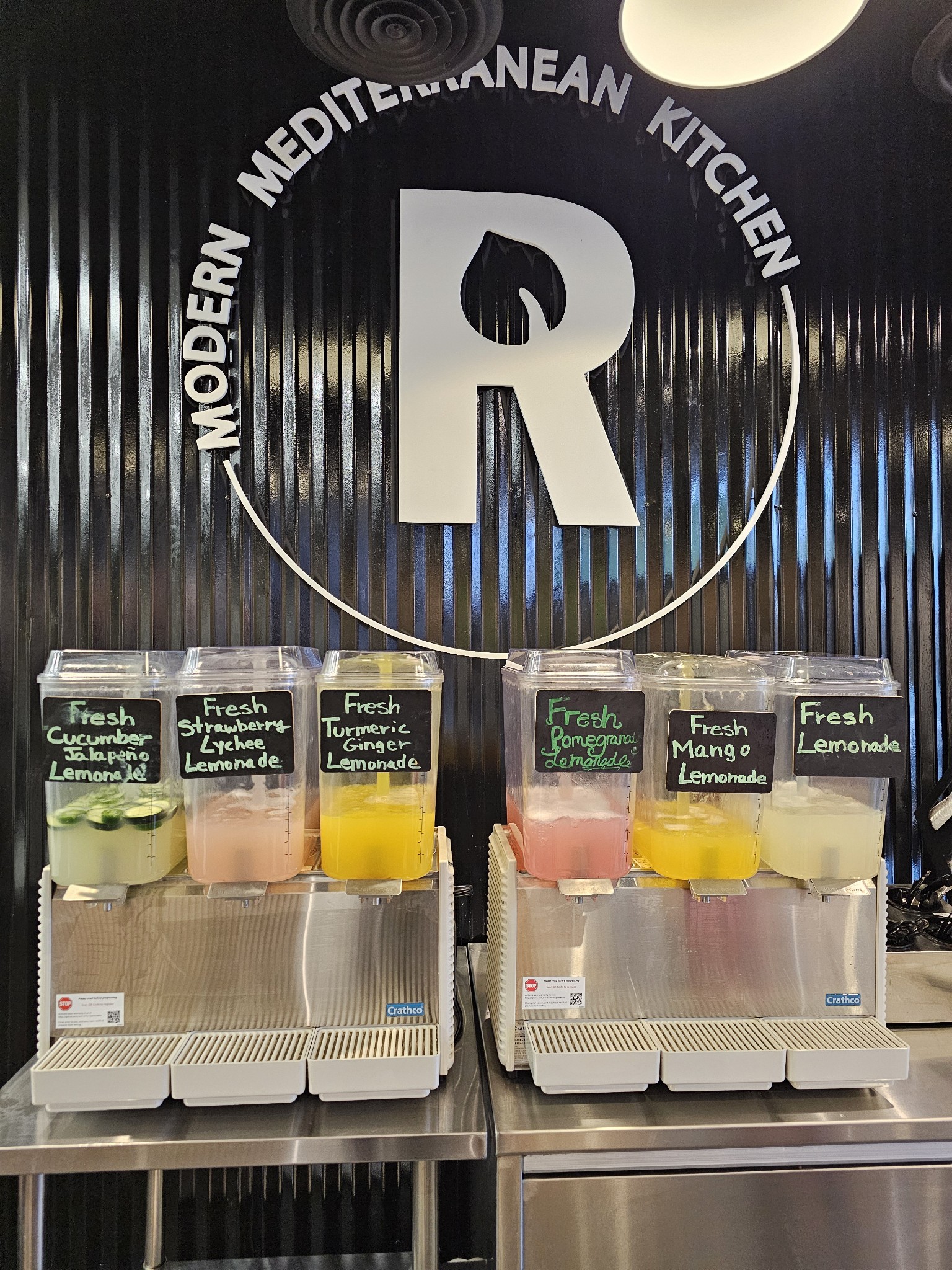
Let’s be honest about something. The Growing Market for Halal Food in America has been building for years, but the mainstream food industry is only now catching up — slowly, awkwardly, and mostly wrong. Walk into most “Mediterranean” chains and you know immediately: this food was designed by committee, approved by focus groups, and blessed by people who have never once argued about whose hummus recipe is better. You feel it. And if you’ve grown up at tables where food meant something, that gap is obvious. That gap is also an opportunity.
The Numbers Are Not Subtle
The halal food industry in the United States is projected to surpass $30 billion in the coming years, according to research tracked by the Islamic Society of North America and broader market analysts. That’s not a niche. That’s a market segment large enough to support serious, scalable businesses — and it’s underdeveloped in most mid-size American cities. The growth of Middle Eastern food in the US isn’t a food trend in the Instagram sense. It’s demographic. It’s generational. It’s structural. People who want halal, Levantine, and Arabic food aren’t going away. They’re having kids who grow up wanting the same thing, plus the convenience of fast casual.
Think about a city like Charlotte. The Steele Creek corridor, the University City area, South End — these neighborhoods have diversified fast. The demand is visibly there. The supply, especially at the fast-casual, halal-certified, actually-authentic level, hasn’t kept pace. That’s the window.
Why Most Chains Are Getting This Wrong
The legacy fast food operators who’ve tried to chase this market have done it the only way they know how: adapt an existing menu, slap “Mediterranean” on the signage, and call it done. What they can’t replicate is authenticity — the kind that comes from a brand built around the food from the ground up, not retrofitted onto a burger chain’s supply chain.
That’s the structural advantage we think about at Hummus Republic Franchise every single day. An Arabic food franchise opportunity built correctly doesn’t compete with Chipotle. It serves a community Chipotle can’t reach — and earns the loyalty that only comes when people feel genuinely seen at a restaurant.
“The most powerful thing a restaurant can do is make someone feel like they’re eating at their family’s table — even on a Tuesday lunch break.”
That’s the experience we’re built around. And if you’ve ever wondered what it means to sell food you actually grew up eating — food with a story you can tell without translating it — this piece gets into exactly that feeling.
The Growing Market for Halal Food in America Rewards People Who Move Early
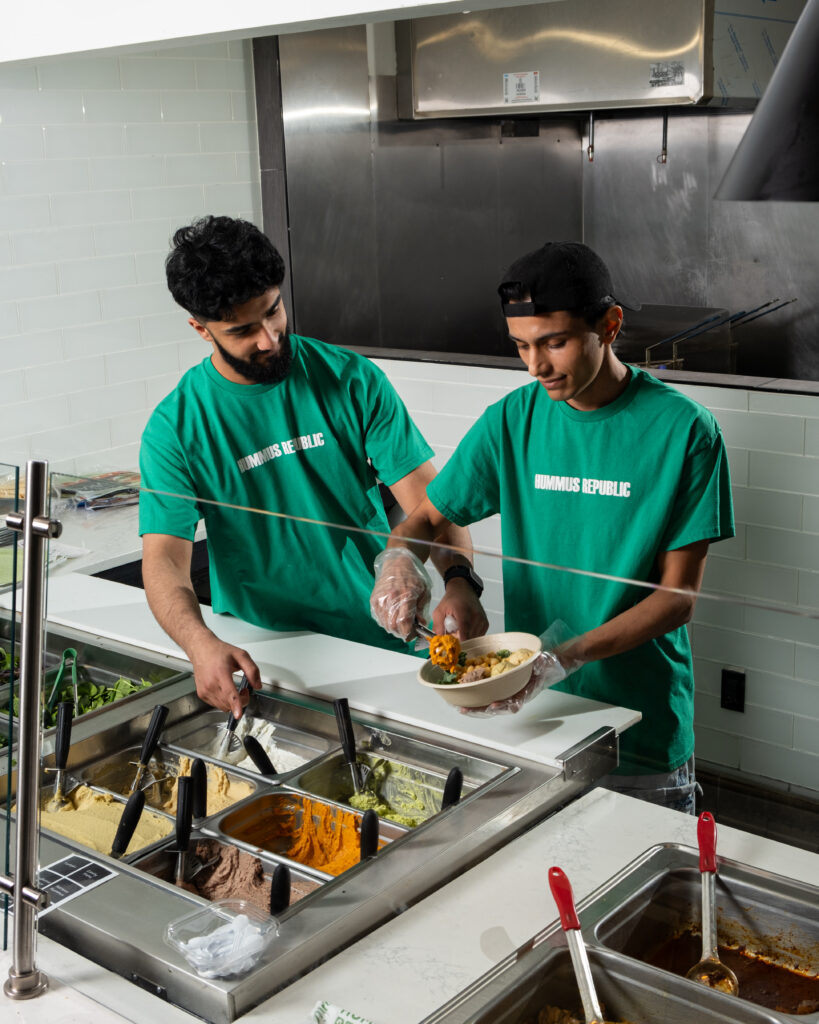
Here’s what the levantine restaurant franchise space looks like right now: a handful of regional players, a few local spots with cult followings but no scalable systems, and a massive unmet demand in cities from Charlotte to Columbus to Dallas. The people who position themselves now — before this market gets crowded — are the ones who build equity while everyone else is still debating whether to move.
If you’ve already been researching this, you’ve probably hit the same questions everyone hits: How much do I actually need? What happens after I sign? Is the support real? Those are exactly the right questions. Here’s an honest breakdown of what a franchise under $150K actually gets you — and where the limits are. And if the number you keep coming back to is whether this can genuinely build wealth, the profitability picture for Mediterranean fast casual is worth your time to read before you make any decisions.
- Halal fast casual fills a real gap most national chains have ignored
- The growth of Middle Eastern food in the US is structural, not seasonal
- Mid-size US cities — including Charlotte, NC — are genuinely under-served
- Lower startup costs mean the barrier to entry is real, not just theoretical
- Community-built brands earn loyalty that no marketing budget can manufacture
There’s also something worth naming directly: if part of what drives you is building something your family can see and feel proud of — something that honors the sacrifices that made your opportunities possible — that motivation is not sentimental, it’s strategic. The owners who stay committed through hard months are usually the ones with a reason beyond money.
What Moving Off the Fence Actually Looks Like
You don’t have to decide everything today. But if you’ve been thinking about this for six months — running the math at midnight, researching other franchise options, watching someone else open a spot in your city — at some point the question stops being “is this a good idea” and starts being “why haven’t I started yet.” That mental shift is worth understanding, because it’s where most people either move or stall permanently.
The window in Charlotte, NC and markets like it is real. It won’t stay open indefinitely. The question is whether you’re the one who fills it — or you watch someone else do it first.
Some content on this site is AI-assisted and may not reflect exact current details — please verify with Hummus Republic Franchise at . Learn more.