Let’s be honest. If you’ve spent any time researching whether a food franchise is a good investment, you’ve probably walked away more confused — not less. The internet is full of horror stories, half-true statistics, and warning posts written by people who lost money on a concept that never should have existed. Here’s what actually matters: Food Franchise Success Rate Statistics tell a more nuanced story than the fear merchants want you to hear. Once you see the myths clearly, the decision gets a lot easier to make with your eyes open.
Myth 1: Most Food Franchises Fail Within Five Years
This one gets recycled constantly. The truth? The oft-cited “90% of restaurants fail” figure applies primarily to independent restaurants — not franchises. The franchise vs. independent restaurant conversation looks very different when you account for system support, brand recognition, and supply chain infrastructure. According to the International Franchise Association, franchised businesses consistently show lower failure rates than independent startups across food and non-food categories. That’s not a pitch — it’s a structural reality.
Myth 2: You Need Deep Restaurant Experience to Succeed
This fear is understandable. But a well-designed franchise system is built precisely to transfer operational knowledge to people who don’t have it yet. Training, standardized recipes, supplier relationships, and ongoing field support exist so you don’t have to figure everything out alone. If you want to understand what that support actually looks like, our post on what to expect from franchise support from day one lays it out plainly. Experience helps. It is not a prerequisite.
Myth 3: Fast Casual Is Oversaturated and Past Its Peak
Is fast casual a good investment right now? Yes — selectively. The segment continues to outperform both quick service and full-service dining in growth metrics, driven by consumers who want quality food at a reasonable price without the sit-down wait. Mediterranean and plant-forward concepts are capturing that demand right now. Our breakdown of how profitable a Mediterranean fast casual restaurant can actually be is worth your time before you form a final opinion.
The risk isn’t in the category. The risk is in choosing a concept with weak unit economics and no real system behind it.
Myths 4 & 5: Startup Costs Are Out of Reach — and You’re Just Buying a Job
Legacy burger chains and pizza giants can demand $500K or more before you flip your first patty. That’s real. But the food franchise landscape is broader than those names. Concepts built around streamlined menus, smaller footprints, and efficient kitchens can open at a fraction of that cost. Our post on what a franchise under $150K actually gets you walks through the tradeoffs honestly — no spin. And in Miami, FL and the surrounding market, high-traffic, food-hungry corridors are exactly where a lower-cost, high-quality concept can move fast.
As for “buying yourself a job” — there’s a version of franchising where that’s true. If you choose a concept that demands your physical presence 60 hours a week with no path to a manager-run model, yes, you’ve bought a job with extra stress. But that’s a system design problem, not a franchise category problem. The right structure lets you build real equity, hire toward freedom, and own an asset you can sell or hand down. Learn more about why owning a franchise is not the same as buying yourself a job — it’s a distinction worth sitting with.
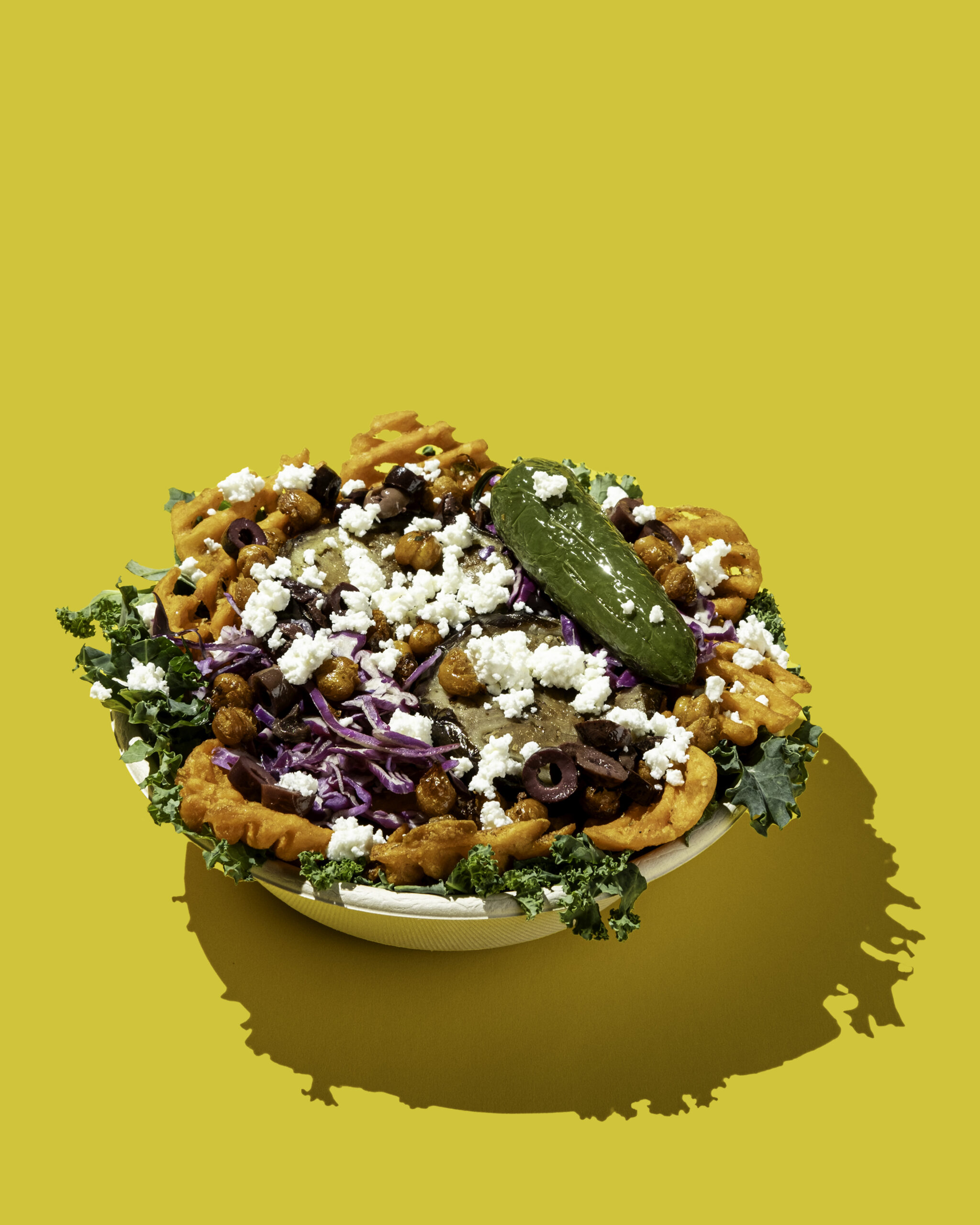
At Hummus Republic Franchise, we built our model around food that means something — flavors that don’t need an explanation at your family’s table. If you want to understand whether this is the right fit for your situation, get in touch. No pressure. Just real answers.
Some content on this site is AI-assisted and may not reflect exact current details — please verify with Hummus Republic Franchise at . Learn more.