
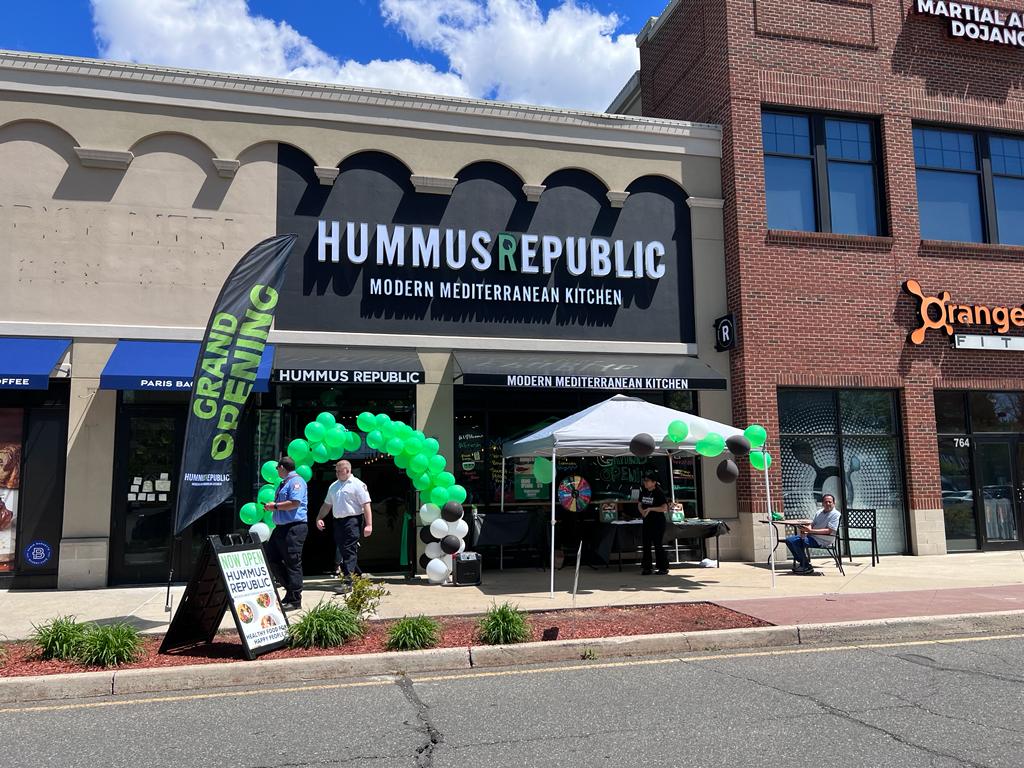
Most people shopping for a franchise spend 80% of their energy on the initial fee and almost none of it on territory. That’s backwards. Understanding franchise territory rights is arguably the most critical due-diligence step you’ll take, because your territory determines your ceiling. Get it right and you’re building equity in a protected market. Get it wrong and you could watch another location open three blocks away. At Hummus Republic Franchise, we think you deserve the full picture before a single dollar moves.
What Territory Rights Actually Means in a Franchise Agreement
A franchise territory is a defined geographic area — drawn by zip codes, county lines, population radius, or some combination — within which the franchisor agrees not to open competing units. The critical phrase: “to varying degrees.” Not all territory protections are equal, and the difference between a vague “Area of Primary Responsibility” and a true exclusive territory can mean thousands of dollars in lost annual revenue.
Many legacy systems sell proximity, not protection. You get a territory on paper that dissolves the moment the franchisor opens a corporate location, licenses a ghost kitchen, or sells through a third-party delivery app in your zip code. These carve-outs are buried in exhibit pages nobody reads at midnight.
Franchise Territory Rights: What Exclusivity Covers — and What It Doesn’t

True exclusivity means the franchisor will not grant another franchisee or open a company-owned unit within your boundaries. What it typically does not cover:
- Online or delivery-only sales channels (unless explicitly stated)
- Sales through airports, stadiums, or non-traditional venues inside your geography
- Future sub-brands the franchisor might develop
- Corporate catering accounts
This is why reading the Franchise Disclosure Document — specifically Items 1, 12, and 20 — matters more than any sales call. The FDD is federally mandated, and the FTC’s Franchise Rule requires franchisors to provide it at least 14 days before you sign or pay anything. Use every one of those days.
The territory you negotiate before signing is the territory you’ll live with for the next 10 years. It’s worth two extra weeks and a qualified franchise attorney.
How to Assess Franchise Territory Value Before You Commit

Not every territory carries the same value, even inside the same system. Here’s a practical framework:
| Factor | What to Look For | Red Flag |
|---|---|---|
| Population density | Daytime + residential overlap | Boundary drawn around low-traffic zones |
| Household income | Median income aligned with your price point | Territory undersized for the market |
| Competition proximity | No direct competitors within 1-mile radius | Existing concepts already saturating the area |
| Growth trajectory | New developments, inbound migration | Stagnant or declining neighborhood indicators |
| Carve-out language | Online sales and catering explicitly included | Vague “permitted channels” wording |
We walk every prospective Hummus Republic Franchise franchisee through this analysis together — not because we’re required to, but because a franchisee who understands their market from day one consistently outperforms one who’s guessing. See how our existing locations are mapped by visiting the Hummus Republic franchise locations page — the territory patterns tell a story worth studying before you decide.
Securing Strong Territory Rights — and Why Timing Is Everything
The best territories go to franchisees who move early in a brand’s growth curve. Here’s how to position yourself:
- Request the FDD early — before you’re emotionally invested. A clear head reads territory language better.
- Hire a franchise attorney — a specialist, not a generalist. The $1,500–$3,000 fee is the cheapest insurance you’ll ever buy.
- Negotiate in writing — verbal assurances from a sales rep mean nothing on opening day.
- Ask about development rights — locking multiple territories early at a reduced fee is where serious operators build a real competitive moat.
- Validate with existing franchisees — Item 20 lists their contacts. Call them and ask directly: “Has the franchisor ever encroached on your territory?”
This is the conversation we want to have with you. Transparency isn’t a talking point at Hummus Republic Franchise — it’s the foundation. Learn more about who we are and what drives this brand, then check our franchise portfolio for markets still available.
High-demand markets won’t stay open. When you’re ready for the real conversation, we’re ready to have it.
Some content on this site is AI-assisted and may not reflect exact current details — please verify with Hummus Republic Franchise at . Learn more.